Project-based learning, experiential learning, and inquiry-based learning are all effective approaches to education that prioritize active engagement and critical thinking. These methods encourage students to learn by doing, asking questions, and investigating real-world problems. By engaging in hands-on projects or experiences, students develop a deeper understanding of the subject matter and build important skills such as problem-solving, collaboration, and creativity.
Self-assessment and reflection play a crucial role in self-directed learning. By evaluating their own progress and reflecting on their strengths and weaknesses, students become more self-aware learners. Metacognition goes hand in hand with this process as it involves understanding one’s own thought processes and strategies for learning.
Goal setting is another essential skill that helps students take ownership of their education. By setting clear goals for themselves, they can create a roadmap for success and stay motivated throughout the learning journey. Effective time management skills also come into play here as students learn to allocate their time efficiently towards various tasks.
Building a personalized curriculum allows students to pursue their interests while still meeting educational objectives. This approach encourages autonomy and fosters a love for lifelong learning. Peer collaboration provides an opportunity for students to learn from each other through sharing ideas, giving feedback, and working together on projects.
Developing critical thinking skills is vital in today’s complex world where information is abundant but not always reliable. Creative problem-solving techniques help students think outside the box when faced with challenges or obstacles.
Emotional intelligence development plays an important role in alternative education settings as it helps individuals understand emotions better – both theirs’ as well as others’. This leads to improved communication skills which are essential for effective collaboration.
Addressing challenges specific to alternative education settings is crucial for creating supportive communities where self-directed learners can thrive. Balancing structure with freedom ensures that there are guidelines in place while still allowing flexibility for individual exploration.
Incorporating physical activity into self-directed learning recognizes the mind-body connection and promotes overall well-being. This can be achieved through incorporating movement breaks, outdoor activities, or even integrating physical fitness into the curriculum.
Alternative assessment methods move away from traditional tests and exams, allowing students to showcase their learning in different ways such as portfolios, presentations, or projects. This encourages creativity and allows for a more holistic evaluation of student progress.
Nurturing a love for lifelong learning is at the heart of alternative education. By fostering curiosity, providing opportunities for exploration, and celebrating individual interests and passions, students are empowered to become lifelong learners.
Fostering cultural awareness and global citizenship is crucial in today’s interconnected world. By exposing students to diverse perspectives and encouraging them to think critically about social issues on a global scale, they become better equipped to navigate an increasingly complex society.
Integrating arts and creativity in self-directed learning not only enhances engagement but also promotes innovation and self-expression. Arts provide a unique avenue for individuals to explore their emotions and communicate their ideas effectively.
Promoting environmental sustainability through education instills values of conservation and responsibility towards the planet. By incorporating ecological principles into the curriculum, students develop an understanding of their role as stewards of the environment.
Effective communication skills are essential in all aspects of life. Teaching students how to express themselves clearly both orally and in writing equips them with valuable tools that will serve them well beyond the confines of academia.
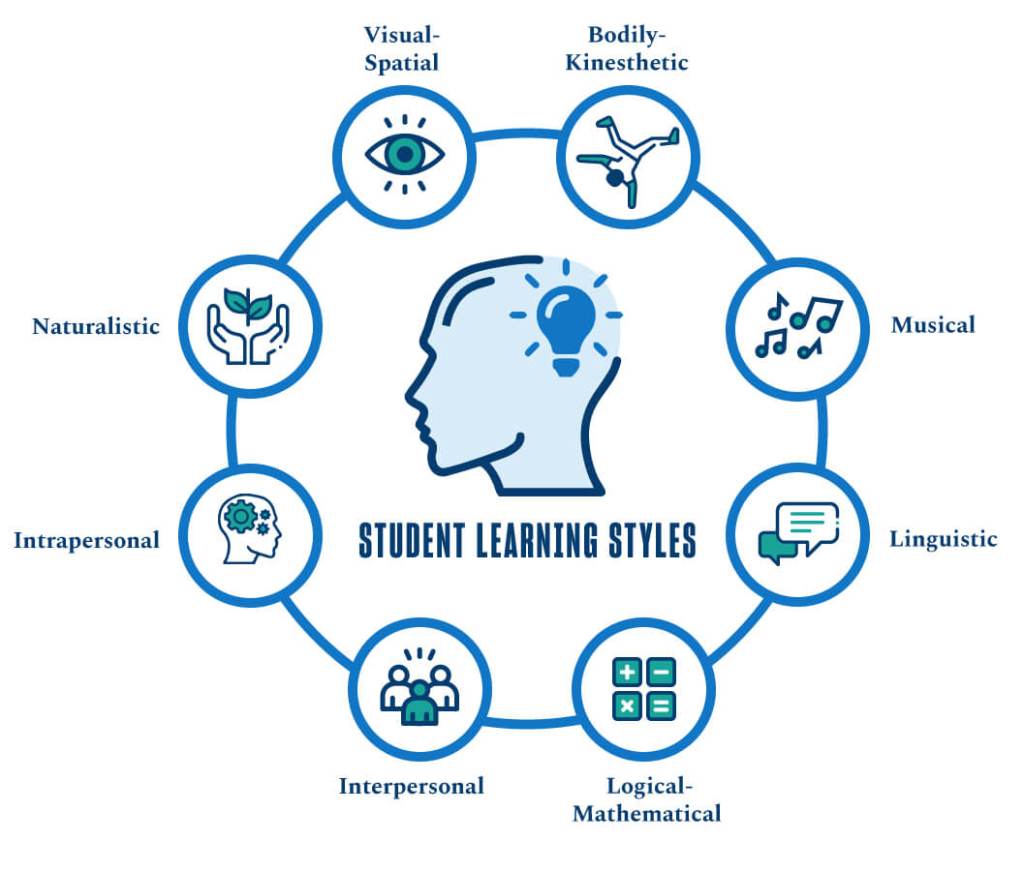
Understanding different learning styles helps educators cater instruction to individual needs. Recognizing that each student has unique preferences allows for a more inclusive approach that maximizes learning potential.
The impact of social media on self-directed learning cannot be ignored. While it can provide valuable resources and connections, it also presents challenges such as managing distractions or evaluating information credibility critically.
Creating a supportive community for self-directed learners fosters collaboration, mentorship opportunities, emotional support networks while combating isolation often associated with alternative education settings.
In conclusion, alternative schooling approaches encompass various strategies that empower individuals to take control of their education. By embracing project-based learning, self-assessment, goal setting, critical thinking skills, and other methods discussed above, students can develop the necessary skills to become lifelong learners who are adaptable and equipped to thrive in an ever-changing world.
 Alternative Amie
Leave a comment