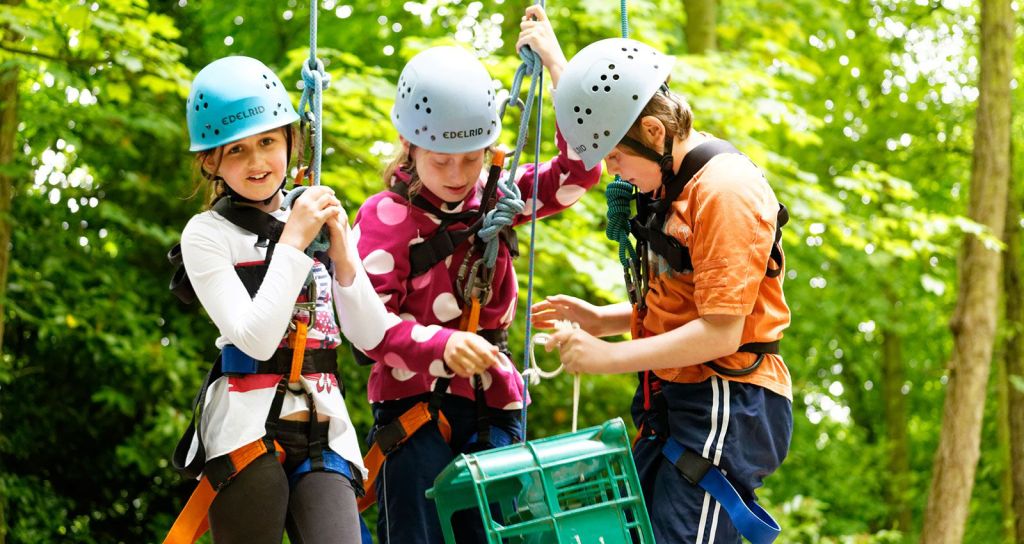
Outdoor education is a unique and valuable approach to learning that takes place outside of traditional classroom settings. It offers students the opportunity to explore, discover, and learn in natural environments while fostering a range of skills and knowledge. Whether it’s through field trips, camping trips, or specialized outdoor programs, this style of education has proven to be incredibly beneficial for students of all ages. In this article, we will explore ten reasons why outdoor education should be an integral part of every student’s learning journey.
1. Hands-on Learning: Outdoor education provides hands-on experiences that engage students on a deeper level than textbooks alone can achieve. Through direct interaction with nature, students develop practical skills and gain real-world knowledge.
2. Environmental Awareness: Spending time in nature promotes environmental awareness and encourages responsible behavior towards the environment. Students learn about ecosystems, conservation efforts, and sustainable practices firsthand.
3. Physical Fitness: Outdoor activities promote physical fitness by encouraging movement and exercise. Hiking, kayaking, rock climbing – these activities not only build strength but also instill healthy habits in students from a young age.
4. Teamwork and Collaboration: Many outdoor education activities require teamwork and collaboration among participants. From setting up tents to navigating trails together, students learn how to work as a team toward common goals.
5. Problem-solving Skills: Facing challenges outdoors helps develop problem-solving skills in students as they encounter obstacles or unexpected situations that require quick thinking and creative solutions.
6. Personal Growth: Outdoor education often pushes individuals out of their comfort zones, helping them develop resilience, self-confidence, independence, and personal growth overall.
7. Cultural Appreciation: Exploring different landscapes exposes students to diverse cultures indigenous to those areas—fostering respect for cultural differences while promoting inclusivity among peers.
8.Connection with Nature: Being immersed in nature allows students to appreciate its beauty while developing empathy for living organisms around them—encouraging stewardship towards our planet Earth.
9. Stress Relief: Spending time outside has been proven to reduce stress and anxiety levels in individuals of all ages. Outdoor education provides a much-needed break from the pressures of academic life, promoting mental well-being.
10. Lifelong Love for Learning: Engaging with nature at an early age often sparks a lifelong love for learning about the environment, biology, geology, or related fields—inspiring students to pursue careers or hobbies that align with their newfound passions.
Outdoor education offers a wealth of benefits beyond traditional classroom settings. By embracing this style of learning, schools can provide students with unique experiences that foster personal growth while instilling valuable skills and knowledge. Whether it’s exploring local ecosystems or embarking on wilderness adventures, outdoor education is an essential component of holistic and alternative approaches to schooling.
 Alternative Amie
Leave a comment