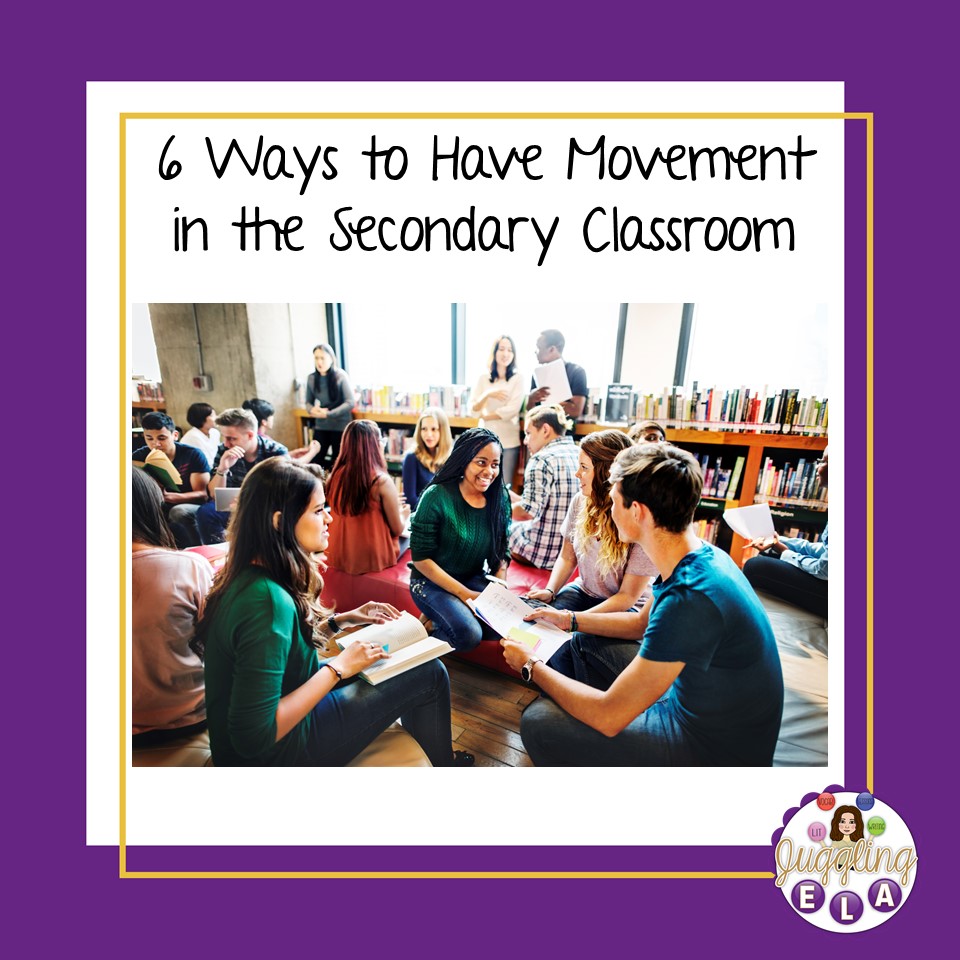
Incorporating Movement in the Classroom: A Pathway to Engaged and Active Learning
Introduction:
Education is constantly evolving, with educators seeking innovative ways to engage students and enhance their learning experience. One such approach gaining recognition is incorporating movement into the classroom setting. Gone are the days of stationary desks and rigid seating arrangements; instead, educators are embracing physical activity as a means to stimulate cognitive development, improve behavior, boost academic performance, and promote overall well-being.
This article will delve into the benefits of incorporating movement in the classroom and provide practical strategies that teachers can implement to create an active and dynamic learning environment.
Benefits of Movement in the Classroom:
1. Enhanced Cognitive Development:
When students engage in physical activity during lessons, they experience increased blood flow throughout their bodies, including their brains. This surge of oxygen promotes neural connections and improves cognitive function. Research has shown that movement-based learning activities can enhance memory retention, problem-solving skills, creativity, critical thinking abilities, attention span, and overall academic performance.
2. Improved Behavior Management:
Sitting still for prolonged periods can be challenging for many students—especially those with excess energy or attention difficulties. Incorporating movement breaks or integrating physical activities within lessons reduces restlessness while improving focus and concentration. By allowing students to release pent-up energy through controlled movements like stretching or yoga poses during transitions between subjects or tasks, teachers create a calmer atmosphere conducive to better behavior management.
3. Increased Engagement:
Traditional teaching methods often rely heavily on passive listening or reading without much opportunity for interaction or kinesthetic involvement. By incorporating movement-based learning activities into lesson plans regularly, educators tap into different learning styles—kinesthetic learners benefit greatly from hands-on experiences—and foster active engagement among all students by making lessons more interactive and enjoyable.
4. Physical Health Benefits:
Encouraging physical activity within the school day not only supports healthy lifestyles but also contributes positively to children’s physical health outcomes such as cardiovascular fitness, muscular strength and endurance, coordination, balance, and flexibility. By integrating movement into the classroom routine, educators are promoting holistic well-being.
Practical Strategies for Incorporating Movement in the Classroom:
1. Brain Breaks:
Integrate short movement breaks throughout the day to recharge students’ minds and bodies. These breaks can be as simple as quick stretching exercises or energizing dance routines. Engaging in physical activity for just a few minutes helps students refocus their attention and increases their overall productivity.
2. Active Learning Stations:
Create designated areas within the classroom where students can engage in hands-on activities related to specific subjects or concepts being taught. For instance, a science corner equipped with experiment materials or a math station with manipulatives encourages learning through active exploration while incorporating movement.
3. Kinesthetic Learning Activities:
Design lessons that involve physical movements relevant to the subject matter being taught. For example, using body gestures for vocabulary words during language arts classes or acting out historical events during social studies lessons not only reinforces learning but also makes it more memorable and fun.
4. Flexible Seating Arrangements:
Allowing students options beyond traditional desks and chairs promotes movement throughout the day by encouraging them to change positions frequently—such as sitting on stability balls or standing at adjustable-height desks—to match their comfort levels and learning needs.
5. Gamification of Lessons:
Transform traditional quizzes or assessments into interactive games that require physical movements to answer questions correctly. This approach adds an element of excitement while allowing students to consolidate knowledge through active participation.
6. Multisensory Teaching Materials:
Incorporate visual aids, tactile objects, audio recordings, virtual reality experiences, or other sensory stimuli into lessons whenever possible to engage multiple senses simultaneously—enhancing retention and understanding while naturally involving physical movements associated with those stimuli.
7. Outdoor Learning Opportunities:
Whenever feasible, take advantage of outdoor spaces such as schoolyards or nearby parks for lessons outside the typical classroom environment. Outdoor learning experiences provide ample opportunities for students to engage in physical activities while connecting with nature, promoting overall well-being and student engagement.
Conclusion:
Incorporating movement into the classroom is a powerful tool that enhances cognitive development, behavior management, student engagement, and physical health outcomes. By implementing practical strategies like brain breaks, active learning stations, kinesthetic learning activities, flexible seating arrangements, gamification of lessons, multisensory teaching materials, and outdoor learning opportunities—educators can create an environment that fosters active and dynamic learning.
As educators continue to explore innovative approaches to enhance education’s quality and effectiveness, incorporating movement into the classroom stands out as a beneficial practice that not only improves academic performance but also nurtures holistic growth among students.
 Alternative Amie
Leave a comment