Coordinating Schedules in a Homeschooling Co-op
Homeschooling has become an increasingly popular choice for parents who want more flexibility and control over their children’s education. However, homeschooling can sometimes be an overwhelming task for parents to take on alone. This is where homeschool co-ops come in – groups of homeschooling families that come together to share resources, support each other, and create a sense of community.
One of the biggest challenges when it comes to homeschool co-ops is coordinating schedules. With multiple families involved, each with their own unique needs and commitments, finding a time that works for everyone can seem like an impossible task. However, with some careful planning and communication, coordinating schedules in a homeschooling co-op can be made much easier.
1. Start by Assessing Needs and Availability
The first step in coordinating schedules within a homeschool co-op is to gather information from all participating families regarding their needs and availability. Send out a survey or schedule a meeting where parents can discuss what days and times work best for them.
During this process, it’s important to consider factors such as work schedules, extracurricular activities, doctor appointments, family commitments, and any other obligations that might affect the availability of the families involved. By gathering this information upfront, you’ll have a better understanding of the potential scheduling conflicts that may arise.
2. Establish Clear Communication Channels
Effective communication is key when it comes to coordinating schedules within a homeschool co-op. Establish clear communication channels such as email threads or group messaging apps where all participating families can easily share updates on their availability or any changes that may occur.
Encourage open dialogue among members so they feel comfortable expressing their needs or concerns regarding scheduling conflicts. Encouraging regular check-ins will help ensure everyone stays informed about any changes or adjustments needed throughout the semester.
3. Create A Shared Calendar
A shared calendar is an essential tool for coordinating schedules in a homeschool co-op. There are many digital calendar options available, such as Google Calendar or Cozi, that allow multiple users to input and view events simultaneously.
Designate one person (or a rotating team) within the co-op to be responsible for updating the calendar with all planned activities, field trips, classes, and any other relevant events. This will provide a visual representation of everyone’s availability and help identify potential conflicts.
4. Prioritize Core Subjects
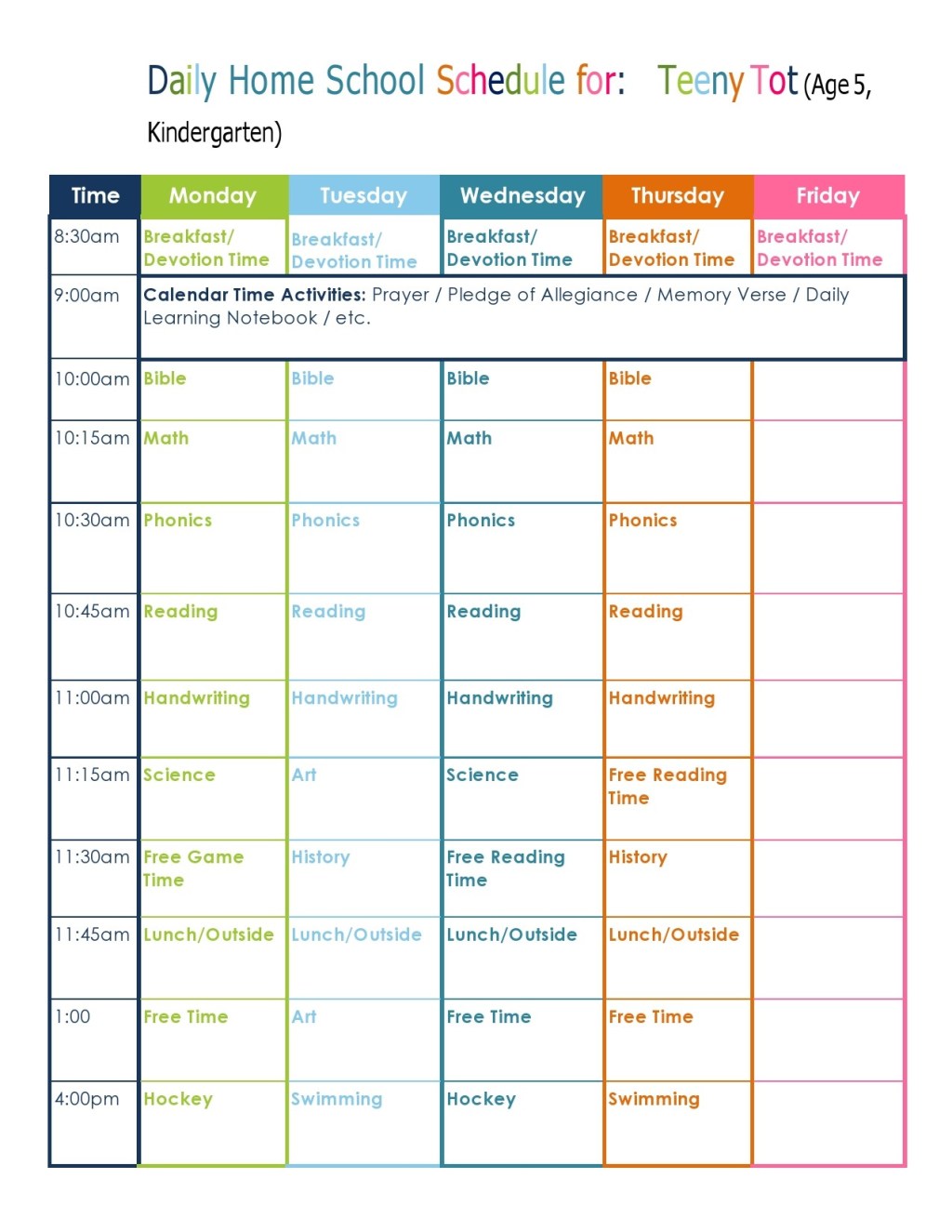
When scheduling classes or group activities within the co-op, it’s important to prioritize core subjects like math, reading, and writing. These subjects often require more focused attention and should be scheduled during times when students are most alert and receptive.
Consider factors such as age groups and academic levels when planning class schedules. For example, younger children may function better in the mornings while older students might benefit from afternoon sessions. Take into account each family’s preferences regarding teaching styles or curriculum choices as well.
5. Flexibility is Key
Flexibility is crucial when coordinating schedules within a homeschool co-op because unexpected circumstances can arise at any time. It’s essential to establish an understanding among members that changes may occur throughout the semester due to individual needs or unforeseen events.
Encourage families to communicate any changes promptly so adjustments can be made accordingly on the shared calendar. By fostering an environment of flexibility and understanding within your co-op community, you’ll be able to navigate scheduling challenges much more smoothly.
6. Rotate Responsibilities
To avoid burdening one family with all the organizational tasks involved in coordinating schedules within a homeschool co-op, consider implementing a rotation system for various responsibilities. These tasks could include managing the shared calendar, organizing field trips or guest speakers, or even leading certain classes.
By rotating responsibilities among participating families throughout each semester or year, you ensure that no single family becomes overwhelmed with administrative duties while promoting a sense of shared ownership within your cooperative learning community.
7. Plan Ahead
Proper planning and foresight can go a long way in avoiding scheduling conflicts within a homeschool co-op. Take the time to plan your co-op’s activities, field trips, and classes well in advance, ideally at the beginning of each semester.
By establishing a schedule ahead of time, families will have ample notice to make any necessary adjustments or arrangements to accommodate their own schedules. This pre-planning also allows for better coordination with other commitments outside the co-op.
In conclusion, coordinating schedules within a homeschooling co-op requires open communication, shared responsibilities, and proper planning. By assessing needs and availability upfront, establishing clear communication channels, creating a shared calendar, prioritizing core subjects, being flexible when changes occur, rotating responsibilities among families involved in the co-op community, and planning ahead as much as possible – you can create an environment that supports successful coordination of schedules within your homeschooling cooperative. Remember that every family’s situation is unique; finding common ground may take some effort but will ultimately contribute to a more harmonious and efficient learning experience for all involved.
 Alternative Amie
Leave a comment