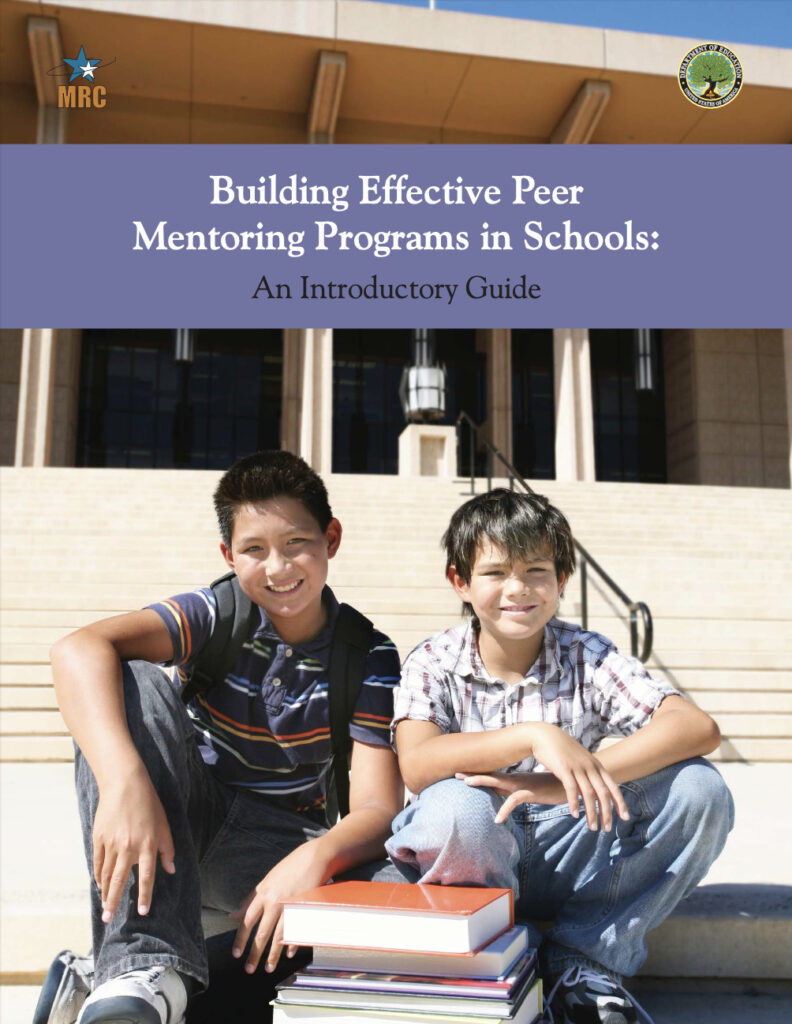
Peer mentoring initiatives have emerged as a valuable tool in alternative schooling to support students’ academic and social development. These programs involve pairing older or more experienced students with younger or less experienced ones, creating an environment of support and guidance. While the benefits of peer mentoring are widely recognized, it is crucial to evaluate their effectiveness to ensure they meet the desired outcomes.
One way to assess the effectiveness of peer mentoring initiatives is through academic performance indicators. By comparing the academic progress of mentored students against those who do not participate in such programs, educators can gauge whether these initiatives lead to improved learning outcomes. Additionally, tracking attendance rates and disciplinary incidents can provide insights into how peer mentoring impacts student engagement and behavior within the alternative schooling setting.
Apart from academic indicators, assessing the impact on social-emotional development is equally important. Peer mentors often serve as role models for their mentees, offering guidance on interpersonal skills, conflict resolution strategies, and self-esteem building techniques. Evaluating changes in mentees’ emotional well-being, self-confidence levels, and ability to navigate social situations can provide valuable evidence regarding the efficacy of peer mentoring initiatives.
Feedback from both mentors and mentees is a valuable source of information when evaluating program effectiveness. Surveys or interviews that capture participants’ perceptions about program goals, activities, relationships formed during mentorship can shed light on its overall impact. Analyzing this feedback allows educators to identify strengths and areas for improvement within their peer mentoring initiative.
Another aspect worth considering when assessing effectiveness is the sustainability of these programs over time. It may be useful to examine long-term effects by tracking post-program outcomes such as continued friendships between mentors and mentees or ongoing involvement in extracurricular activities together. This evaluation approach helps determine if the benefits derived from peer mentoring extend beyond immediate educational gains.
Furthermore, collaboration between schools and research institutions could enhance evaluation efforts by employing rigorous methodologies like control groups or randomized controlled trials (RCTs). These methods allow for a more systematic examination of the impact of peer mentoring initiatives in alternative schooling contexts. RCTs, specifically, enable researchers to isolate the effects of peer mentoring from other factors that may influence student outcomes.
In conclusion, evaluating the effectiveness of peer mentoring initiatives in alternative schooling is crucial to ensure their positive impact on students’ academic and social development. By considering indicators such as academic performance, social-emotional growth, participant feedback, long-term sustainability, and employing rigorous evaluation methodologies, educators can gain valuable insights into how these programs can be optimized for maximum benefit. Through continuous assessment and improvement efforts, alternative schools can provide students with the best possible support system to thrive academically and personally.
 Alternative Amie
Leave a comment