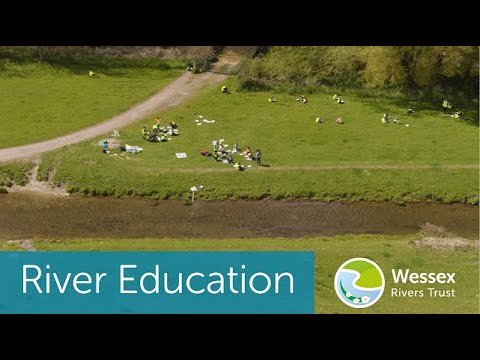
Rivers: A Case Study in Alternative Schooling and Education
Introduction:
Alternative schooling and education have gained significant traction in recent years as parents and educators seek innovative approaches to engage students. One such approach that offers a unique blend of experiential learning, environmental education, and personal growth is the Rivers program. This case study delves into the philosophy, curriculum, and impact of Rivers, shedding light on its effectiveness as an alternative educational model.
Philosophy:
The Rivers program takes inspiration from nature itself to create a holistic learning experience for students. It draws upon the metaphor of rivers flowing through diverse landscapes to symbolize individual journeys through life’s challenges and opportunities. The core philosophy revolves around fostering resilience, adaptability, collaboration, empathy, and curiosity – qualities essential for success in today’s rapidly evolving world.
Curriculum:
Rivers offers a multidisciplinary curriculum that integrates academic subjects with hands-on learning experiences rooted in nature. The program emphasizes place-based education by immersing students in various river ecosystems throughout their educational journey. By exploring these environments firsthand, students develop a deep understanding of ecological systems while also honing critical thinking skills.
Science plays a central role in the Rivers curriculum. Students learn about water quality testing methods, species identification techniques, conservation efforts, and watershed management practices. These lessons are not confined to textbooks but rather come alive during field trips where students collect data on river health or participate in habitat restoration projects.
In addition to science education, Rivers places equal importance on other subject areas like literature, history, mathematics,and art. Literature discussions focus on works related to rivers or themes tied closely to natural ecosystems; history classes explore how civilizations have relied on rivers for sustenance and trade; mathematics finds practical applications when calculating river flow rates or analyzing data collected during experiments; art enables self-expression inspired by the beauty surrounding riverscapes.
Experiential Learning:
One key aspect that sets Rivers apart from traditional schooling is its emphasis on experiential learning. Students spend a significant portion of their time outdoors, engaging in hands-on activities that deepen their connection with nature and foster personal growth.
Rivers offers numerous opportunities for students to actively engage with riverscapes. They might embark on kayaking trips, study aquatic organisms up close through snorkeling, or learn about hydroelectric power generation by visiting a dam. These experiences not only provide valuable knowledge but also cultivate appreciation and respect for the natural world.
Personal Growth:
The Rivers program recognizes that personal growth is as crucial as academic achievement. It focuses on developing students’ emotional intelligence, resilience, and leadership skills. Through team-building exercises, collaborative projects, and reflection sessions in serene riverside settings, students learn to navigate challenges effectively while understanding the importance of community and teamwork.
The program encourages self-reflection through journaling exercises where students express thoughts and emotions related to their journeys – both literal (on the river) and metaphorical (in life). This practice helps build introspection skills while fostering creativity and self-awareness.
Impact:
The impact of the Rivers program can be seen in various aspects of student development. Academic performance improves due to the integration of real-world applications into core subjects. By applying scientific concepts during fieldwork or analyzing historical events tied to rivers’ influence on societies, students develop a deeper understanding of subjects that would otherwise remain abstract.
Moreover, participation in outdoor activities promotes physical fitness among students who may not be inclined towards traditional sports programs. The mental health benefits are equally noteworthy; spending time immersed in nature has been proven to reduce stress levels and improve overall well-being.
Perhaps most importantly, the Rivers program instills an environmental consciousness within its participants. By witnessing firsthand the beauty and fragility of river ecosystems, students develop a sense of responsibility towards protecting our planet’s natural resources – an invaluable mindset for future generations tasked with addressing global environmental challenges.
Conclusion:
The Rivers program serves as a prime example of alternative schooling and education that effectively combines academia, experiential learning, personal growth, and environmental education. By immersing students in the natural world and connecting them to river ecosystems, it equips them with essential skills for success while instilling a deep appreciation for the environment. As we continue to explore innovative approaches to education, programs like Rivers offer valuable insights into creating meaningful educational experiences that prepare students for a rapidly changing world.
 Alternative Amie
Leave a comment