1. Woodworking: One of the most popular forms of handwork, woodworking allows students to develop their creativity and problem-solving skills. From carving small figurines to building furniture pieces, woodworking offers a range of projects that can be tailored to different skill levels. By working with various tools and materials, students also learn patience and attention to detail.
2. Pottery: Pottery is a great way for students to unleash their artistic side while learning about the science behind clay and firing techniques. Through molding, shaping, and glazing pottery pieces, students gain a deep appreciation for craftsmanship and the importance of precision in creating functional works of art.
3. Sewing: Whether it’s sewing by hand or using a machine, this traditional skill teaches students essential life skills like repairing clothes or creating their own unique designs from scratch. Sewing encourages patience, focus, and perseverance as students navigate through complex patterns and work with different fabrics.
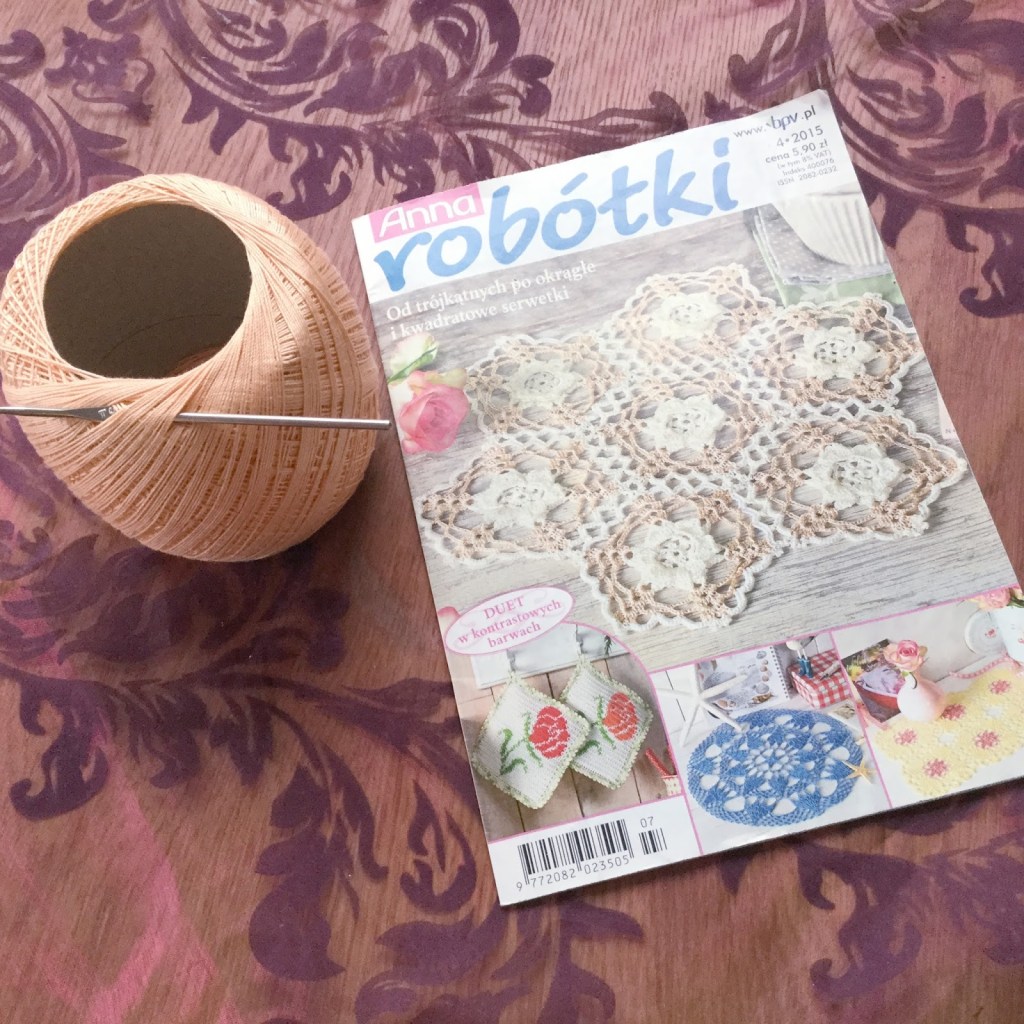
4. Knitting/Crocheting: Knitting and crocheting are not only relaxing activities but also help improve fine motor skills and hand-eye coordination. Students can create beautiful scarves, hats, or blankets while developing their creativity through pattern selection and color combinations.
5. Leatherwork: Leathercraft introduces students to the world of making accessories such as wallets, belts, or even custom-made bags. This hands-on activity hones problem-solving abilities as learners figure out how to cut leather pieces precisely and assemble them into functional items using stitching techniques.
6. Metalworking: Metalworking instills an understanding of metallurgy principles while allowing individuals to create unique jewelry pieces or decorative objects from metals like copper or silver. Students learn how to manipulate metal using various tools such as saws, files, hammers, torches, or soldering irons.
7. Bookbinding: Bookbinding combines craftsmanship with storytelling as learners create their own journals or notebooks from scratch by folding pages together tightly within a personalized cover. This skill fosters patience, precision, and attention to detail while encouraging creativity in designing unique book covers.
8. Glassblowing: Though more advanced and requiring specialized equipment, glassblowing is a captivating art form that can be explored by older students. It involves shaping molten glass into intricate designs using a blowpipe and various hand tools. Glassblowing promotes problem-solving skills, teamwork, and creative thinking.
Alternative schooling often emphasizes hands-on learning experiences that engage students’ minds and bodies simultaneously. By incorporating these eight handwork activities into the curriculum, learners are provided with opportunities to develop valuable life skills such as creativity, critical thinking, perseverance, and craftsmanship – all while having fun exploring new mediums of expression.
 Alternative Amie
Leave a comment