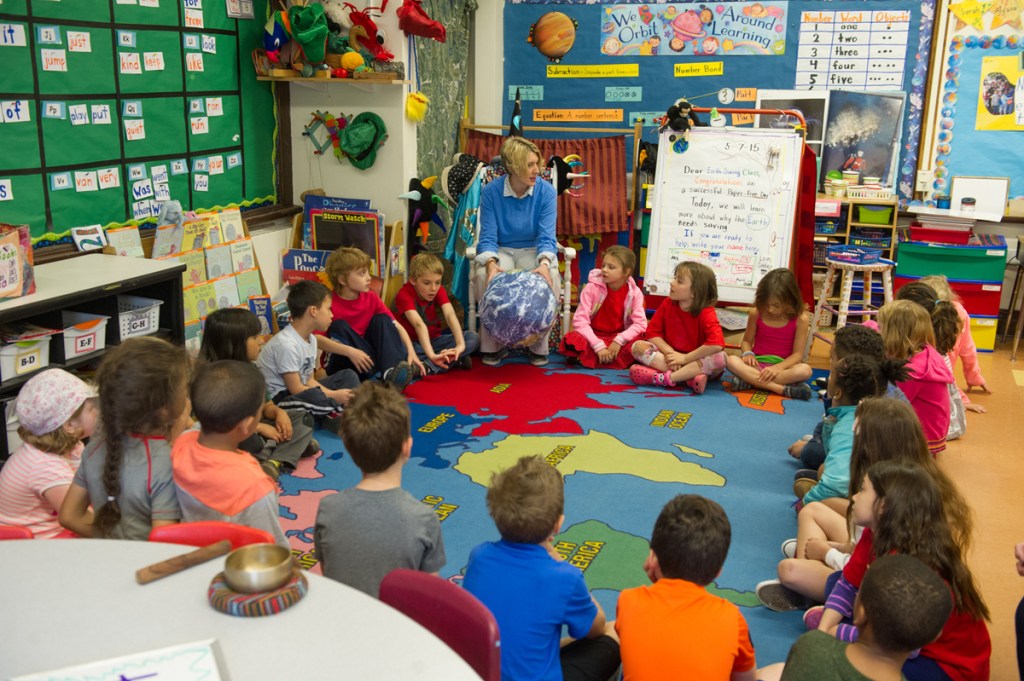
Alternative education settings are known for their unique approach to learning, embracing diverse teaching methods and fostering cultural diversity among students. In these settings, educators recognize that not all learners can thrive in a one-size-fits-all educational system. Instead, alternative schools emphasize the importance of understanding individual learning styles and adapting teaching strategies to meet the needs of each student.
One of the key aspects that sets alternative education apart is its recognition of various learning styles. Traditional schools often adopt a standardized approach to education, assuming that all students learn best through lectures and textbooks. However, alternative schools understand that individuals have different ways of processing information and engaging with their surroundings.
Visual learners, for example, absorb information more effectively through images, graphs, charts, and other visual aids. They benefit from seeing concepts represented visually rather than just hearing or reading about them. Alternative schools cater to these learners by incorporating visual elements into their lessons whenever possible. Teachers may use videos or create colorful presentations to engage visual learners and enhance their understanding.
Auditory learners thrive when given opportunities to listen and discuss ideas. These students prefer verbal communication over written instructions or visuals. To accommodate auditory learners’ needs in an alternative education setting, teachers incorporate group discussions and debates into the curriculum. Students are encouraged to express themselves verbally while discussing topics or working on projects together.
Kinesthetic learners excel when they can engage physically with the material being taught. These hands-on individuals learn best through movement and touch rather than sitting still at a desk all day long. Alternative schools encourage kinesthetic learning by incorporating activities such as role-playing exercises or experiments into their teaching methods.
By recognizing these different learning styles – visual, auditory, and kinesthetic – alternative education settings ensure that every student has an opportunity to succeed academically while also enjoying the process of learning.
Another important aspect of alternative education is its celebration of cultural diversity within classrooms. In traditional schooling systems where homogeneity is often emphasized, it can be challenging for students from different cultural backgrounds to feel included or understood. Alternative schools, on the other hand, embrace diversity and actively work towards creating an inclusive environment where all cultures are celebrated.
In these settings, educators strive to incorporate multicultural perspectives into their teaching materials and lesson plans. They recognize that by including diverse voices and experiences in the curriculum, students gain a broader understanding of the world around them. This not only fosters empathy and tolerance but also prepares students to thrive in a globalized society.
Moreover, alternative education often encourages students to share their own cultural experiences with classmates. This can be done through presentations, projects, or open discussions about cultural traditions and customs. By giving students a platform to express themselves authentically, alternative schools create an environment where everyone’s unique background is valued.
Cultural diversity also extends beyond the classroom walls in alternative education settings. Schools may organize events such as multicultural fairs or international food festivals where families can come together and showcase their heritage. These events provide an opportunity for community building while promoting cross-cultural understanding among students, parents, teachers, and staff members.
Additionally, some alternative schools offer language programs that teach foreign languages from an early age. By exposing children to different languages at a young age, they become more adept at understanding new cultures and communicating with individuals from diverse backgrounds.
Alternative education recognizes that learning goes beyond traditional academic subjects; it encompasses personal growth as well. Inclusion of various learning styles ensures that each student thrives academically while celebrating cultural diversity promotes acceptance and appreciation of different backgrounds within the school community.
While alternative education may not be mainstream yet, its focus on individuality offers valuable insights into effective teaching methods for all learners – regardless of their culture or preferred learning style. So let us embrace this innovative approach to education as we continue to create spaces that empower every student on their educational journey!
 Alternative Amie
Leave a comment