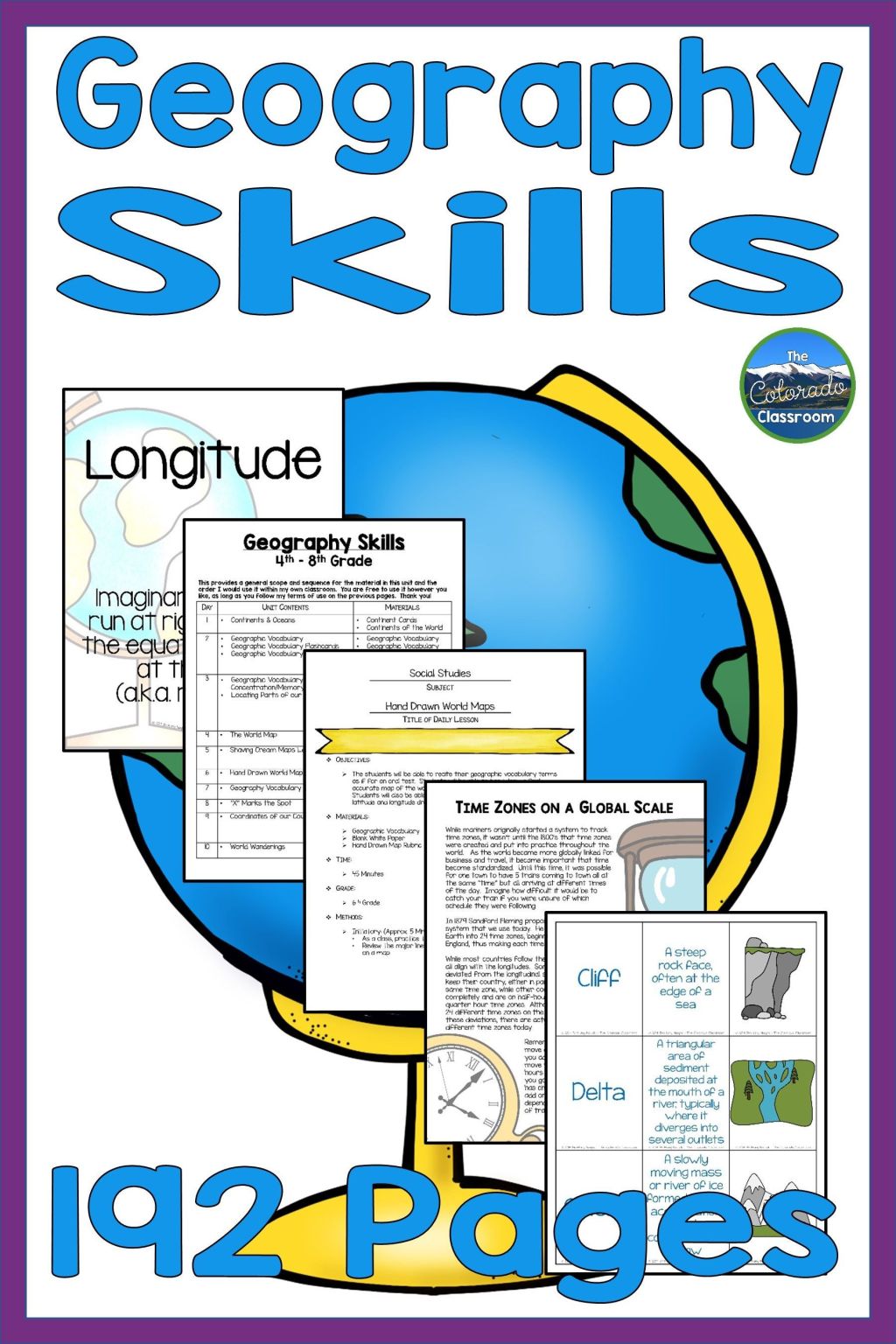
Brain-based learning techniques, memory improvement strategies, effective study habits, and understanding learning styles and preferences are all important components of a successful education. These strategies help students engage with the material, retain information more effectively, and ultimately achieve better academic outcomes. In this article, we will explore various methods and approaches that can enhance learning in geography education.
One powerful technique for accelerated learning is mind mapping. Mind maps are visual representations of ideas or concepts that allow learners to make connections between different pieces of information. By organizing thoughts in a non-linear and creative way, mind maps stimulate both hemispheres of the brain, promoting holistic thinking and improving memory retention.
Speed reading techniques can also be beneficial in geography education as they enable students to process large amounts of text quickly. Skimming through texts allows learners to grasp key ideas and main points without getting bogged down by unnecessary details. This skill is particularly useful when conducting research or preparing for exams where time constraints are a factor.
Multisensory learning approaches involve engaging multiple senses during the learning process. For example, incorporating visual aids such as maps or charts while discussing geographical topics helps students visualize concepts more effectively. Additionally, incorporating hands-on activities or interactive exercises allows kinesthetic learners to physically engage with the subject matter.
Gamification in education has gained popularity in recent years due to its ability to increase student motivation and engagement. By turning lessons into games or challenges, educators can create an immersive learning experience that makes studying geography enjoyable and memorable.
Accelerated language acquisition methods can be applied within geography education by encouraging students to learn foreign languages spoken in specific regions they are studying. This not only enhances their linguistic abilities but also provides them with cultural insights that deepen their understanding of different geographic areas.
Geography-based mnemonic devices leverage associations between words or images to improve memory recall. For instance, creating acronyms or rhymes related to geographical facts helps students remember information more easily.
Spatial intelligence development focuses on enhancing students’ ability to perceive, understand, and navigate the physical world. By incorporating activities that involve maps, puzzles, or hands-on projects requiring spatial reasoning skills, educators can promote this aspect of intelligence.
Cultural immersion is another powerful tool for accelerated learning in geography education. Exposing students to different cultures through real-life experiences or virtual reality simulations helps them develop a broader perspective and empathy towards diverse communities around the world.
Virtual reality (VR) has revolutionized geography education by providing immersive experiences that transport students to different locations without leaving the classroom. VR technology allows students to explore natural wonders, historical landmarks, or even urban environments from various parts of the globe.
Outdoor and experiential learning opportunities have long been recognized as effective methods for teaching geography. Field trips to geographical sites or historical landmarks provide firsthand experiences that deepen students’ understanding of concepts learned in class.
Geographic Information Systems (GIS) play a significant role in modern geography education. GIS tools allow students to analyze geospatial data and create interactive maps that help visualize complex patterns and relationships within geographic contexts.
Collaborative learning through project-based activities encourages teamwork and critical thinking skills. Students can work together on research projects or group assignments where they analyze real-world problems using geographical perspectives while developing essential communication and collaboration skills.
Technology plays a crucial role in conducting research projects related to geography. Utilizing online resources, databases, and geospatial software enables students to access vast amounts of information quickly and efficiently for their studies.
Integrating art and creativity into geography lessons adds an element of fun while reinforcing key concepts. Students can create visual representations such as paintings or sculptures inspired by geographic landscapes or design multimedia presentations showcasing their knowledge about specific regions.
Building global awareness and cultural competence is an essential aspect of contemporary education. Geography provides an excellent platform for exploring different cultures, traditions, religions, languages, socio-economic systems across the globe fostering tolerance and respect among learners.
Exploring local ecosystems and environmental sustainability is crucial for developing students’ understanding of their immediate surroundings and the impact of human activities on the environment. This knowledge promotes ecological responsibility and encourages sustainable practices.
Field trips to historical landmarks or geographical sites offer a hands-on experience that brings history and geography to life. Visiting significant locations allows students to immerse themselves in the rich cultural heritage of different regions.
Incorporating storytelling and narrative techniques in geography lessons enhances student engagement by connecting facts with personal experiences. Narratives make learning more relatable, memorable, and enjoyable.
Using interactive maps and geospatial data visualization tools enables students to explore geographic phenomena visually. These tools provide dynamic representations that help learners analyze patterns, trends, or spatial relationships effectively.
Understanding climate change and its impact on different regions is an essential aspect of modern geography education. By studying the effects of climate change on ecosystems, weather patterns, or human populations, students can develop informed perspectives on this pressing global issue.
Promoting critical thinking skills through geographical analysis involves encouraging students to question assumptions, evaluate evidence, consider multiple perspectives, and form well-reasoned arguments based on geographic principles. This approach fosters analytical skills that are valuable beyond the classroom setting.
Exploring the relationship between geography and social justice issues helps students understand how inequality manifests in different regions worldwide. By examining themes such as migration patterns or resource distribution disparities, learners gain insights into socio-political challenges faced by communities globally.
Teaching about world religions and their geographic origins contributes to a comprehensive understanding of cultures around the world. Learning about religious beliefs provides context for various societal customs while fostering intercultural dialogue among learners.
Examining urban planning and sustainable cities introduces students to concepts related to urbanization processes like transportation systems, housing policies, infrastructure development while emphasizing environmentally friendly practices for creating livable cities for future generations.
Traveling as a means of experiential learning in geography offers an unparalleled opportunity for direct engagement with different cultures, landscapes, and environments. Immersion in unfamiliar settings broadens students’ perspectives and deepens their understanding of the interconnectedness of our world.
In conclusion, incorporating brain-based learning techniques, memory improvement strategies, effective study habits, and understanding learning styles into geography education can enhance student engagement and promote deeper learning. By utilizing innovative approaches such as mind mapping, speed reading techniques, gamification, or virtual reality experiences along with traditional methods like field trips and hands-on activities, educators can create dynamic and impactful lessons that foster a love for geography while developing essential skills for the future.
 Alternative Amie
Leave a comment