Portfolios: Showcasing Student Success in Alternative Education
Introduction:
In the realm of alternative schooling and education, portfolios have emerged as powerful tools for showcasing student success. Unlike traditional report cards or standardized tests that focus solely on grades and academic performance, portfolios provide a holistic view of a student’s abilities, growth, and achievements. In this article, we will explore the significance of portfolios in alternative education and how they serve as comprehensive records of learning.
What is a Portfolio?
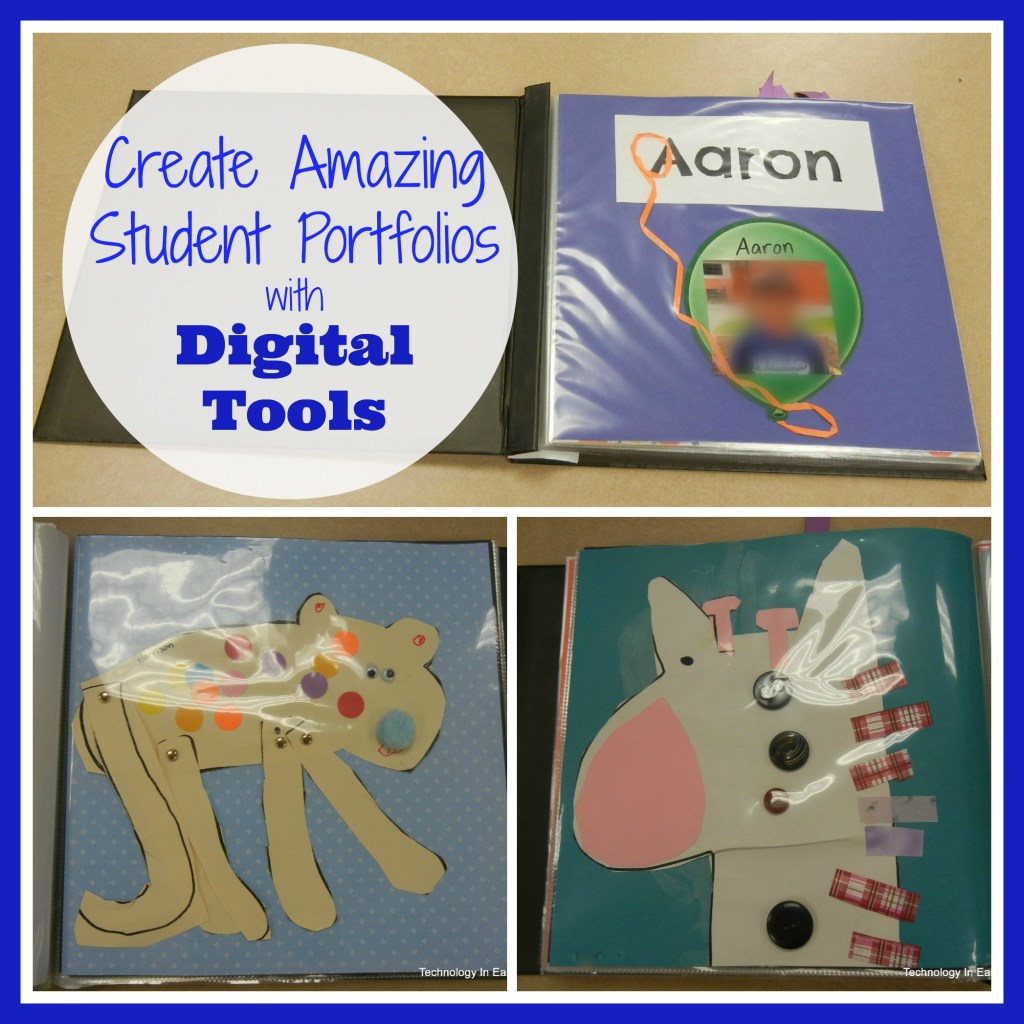
A portfolio is essentially a purposeful collection of artifacts that demonstrate a student’s progress and accomplishments over time. These artifacts can include essays, projects, artwork, videos, photographs, reflections on learning experiences, certificates of achievement or participation in extracurricular activities – anything that showcases the breadth and depth of a student’s skills and knowledge.
The Importance of Portfolios in Alternative Education:
1. Individualized Learning:
One key aspect that sets alternative education apart from conventional methods is its emphasis on individualized learning. Portfolios align perfectly with this philosophy by allowing students to showcase their unique strengths and interests. By curating their own portfolio content based on personal passions or areas for improvement, students become active participants in their educational journey.
2. Assessing Progress Beyond Grades:
Traditional grading systems often fail to capture the full range of abilities possessed by students. Portfolios offer an opportunity to assess progress beyond mere letter grades by highlighting real-life applications of knowledge gained through hands-on experiences. This allows educators to evaluate growth not just academically but also emotionally, socially, creatively – providing a more accurate representation of each student’s capabilities.
3. Authentic Assessment:
Alternative schools often prioritize authentic assessment methods rather than relying solely on standardized tests. Portfolios enable educators to assess students’ work samples against real-world criteria such as creativity, critical thinking skills or problem-solving abilities – all essential qualities for success outside the classroom.
4.Personal Reflection:
Portfolios encourage self-reflection, a vital component of the learning process. Through portfolio creation, students have the opportunity to reflect on their own growth and development. This reflective practice fosters metacognition – the ability to think about one’s thinking – which in turn enhances self-awareness and self-directed learning skills.
The Portfolio Creation Process:
Now that we understand why portfolios are essential in alternative education, let’s dive into how educators can guide students through the portfolio creation process effectively.
1. Establish Clear Goals:
Begin by setting clear goals for portfolio creation with your students. What do they want to showcase? What areas do they hope to improve upon? Ensure that these goals align with both academic objectives and personal growth targets.
2. Regularly Collect Artifacts:
Encourage students to collect artifacts throughout their educational journey that exemplify their achievements and demonstrate progress towards their goals. These artifacts should represent a diverse range of skills and experiences, reflecting both curricular activities and individual interests.
3. Reflections & Self-Assessment:
Incorporate regular opportunities for students to reflect on their work samples within the portfolio context. This could involve written reflections or even verbal discussions where students articulate what they learned from each artifact and how it connects to their overarching goals.
4. Peer Feedback & Evaluation:
To foster collaboration and critical thinking skills, encourage peer feedback sessions where students provide constructive criticism on each other’s portfolios. Such evaluations not only deepen understanding but also promote communication skills essential for success in real-world scenarios.
5.Ongoing Revision & Updating:
Portfolios should be viewed as living documents that grow alongside the student’s educational journey. Encourage regular revisions and updates as new accomplishments occur or new insights emerge over time.
Showcasing Portfolios:
Once portfolios are complete, it is crucial to ensure effective means of showcasing them within alternative education settings:
1.Digital Platforms:
In today’s digital age, online platforms offer an ideal space for hosting portfolios electronically while providing easy access to educators, peers, and even potential employers. Websites or dedicated portfolio management tools can be utilized for their creation, storage, and sharing.
2. Presentations & Exhibitions:
Organizing presentations or exhibitions where students have the opportunity to share their portfolios with a wider audience can be immensely valuable. This allows students to develop public speaking skills while receiving recognition for their achievements.
3. Incorporation into College Applications:
Portfolios are increasingly being recognized by colleges and universities as an essential part of the application process. Encourage students to include relevant artifacts from their portfolios when applying for further education, highlighting experiences that set them apart from traditional applicants.
Conclusion:
Portfolios have emerged as powerful tools in alternative education, providing a comprehensive record of student growth and achievement beyond conventional grading systems. By showcasing a diverse range of artifacts that reflect individual interests and strengths, portfolios enable students to take ownership of their learning journey while fostering self-reflection and metacognition. As alternative education continues to evolve towards more personalized approaches, portfolios serve not only as documentation but also as catalysts for lifelong learning success.
 Alternative Amie
Leave a comment