In today’s ever-evolving educational landscape, it is essential to create innovative and flexible learning environments that cater to the diverse needs of students. Traditional desks and chairs may not always be the most comfortable or conducive options for learning, which is why alternative seating solutions have gained popularity in recent years. From outdoor seating options to gaming chairs specifically designed for educational purposes, there are numerous alternatives available that can enhance student engagement and productivity.
1. Outdoor Seating Options: With the growing emphasis on experiential learning, incorporating outdoor spaces into the curriculum has become increasingly common. Outdoor seating options such as benches, picnic tables, or even grassy areas with blankets provide a refreshing change of scenery while allowing students to connect with nature.
2. Meditation Cushions or Mats: Mindfulness practices have shown significant benefits in improving focus and reducing stress levels among students. Providing meditation cushions or mats allows them to engage in mindfulness exercises during breaks or designated meditation periods.
3. Standing Mats or Anti-Fatigue Mats: Standing desks have been gaining popularity due to their health benefits; however, standing for extended periods can still cause discomfort. By adding standing mats or anti-fatigue mats, students can comfortably stand without straining their feet and legs.
4. Treadmill Desks: For those seeking an active approach to learning, treadmill desks offer a unique solution. These desks feature a built-in treadmill where students can walk while studying or completing assignments – promoting physical activity while maintaining focus.
5. Folding Tables and Chairs for Easy Rearrangement: Flexibility is crucial when designing collaborative spaces within schools. Folding tables and chairs provide easy rearrangement options that allow classrooms to adapt quickly based on different activities or group sizes.
6. Gaming Chairs for Educational Purposes: Gamification has proven effective in engaging students across various subjects. Specialized gaming chairs provide comfort during prolonged study sessions while also enhancing immersion through built-in speakers and adjustable features.
7 .Poufs or Ottomans as Alternative Seating Options: Poufs and ottomans offer a casual and relaxed seating option for students who prefer a more informal setting. These versatile pieces can be moved around easily, encouraging collaboration and group discussions.
8 .Modular Furniture for Customizable Arrangements: Modular furniture allows educators to create customizable arrangements that best suit the learning objectives of each activity. Pieces like movable whiteboards, cubbies, and shelves ensure an adaptable environment that caters to different teaching styles.
9. Bean Bag Chairs That Transform into Desks: Combining comfort with functionality, bean bag chairs that transform into desks provide a unique alternative seating solution. Students can enjoy the flexibility of choosing between sitting on a cozy bean bag or flipping it over to use as a stable desk surface.
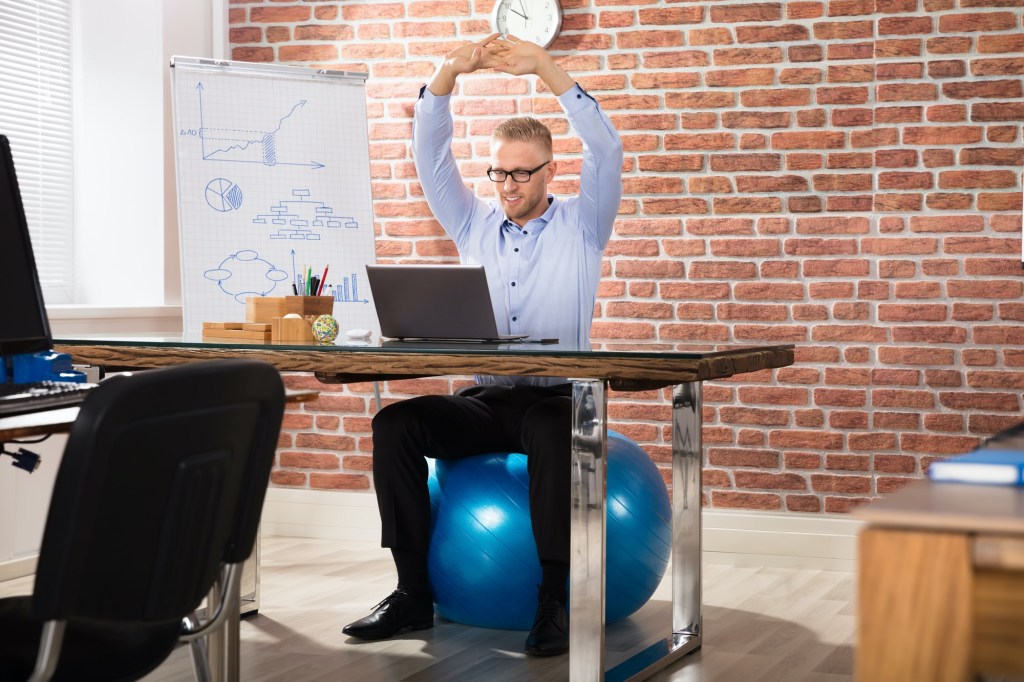
10. Yoga Ball Chairs: Yoga ball chairs promote active sitting by engaging core muscles while maintaining balance. They help improve posture and increase blood circulation, enhancing student focus throughout the day.
In conclusion, alternative seating options have become increasingly popular in educational settings due to their ability to enhance student engagement, focus, and overall well-being. From outdoor seating areas to innovative furniture designs like transforming bean bag chairs or yoga ball chairs – these alternatives provide flexible solutions that cater to individual preferences and learning styles. By incorporating such options into classrooms or study spaces, educators can create dynamic environments that foster creativity, collaboration, and improved academic performance among students.
 Alternative Amie
Leave a comment