Credit and Debt Management for Alternative Schooling and Education
As alternative schooling and education gain popularity, it is essential for students to understand the importance of credit and debt management. Proper financial planning can help individuals achieve their educational goals without burdening themselves with excessive debt. In this article, we will explore some key strategies for managing credit and debt effectively.
Firstly, it is crucial to develop a budget that aligns with your income and expenses. This involves tracking your spending habits and creating a plan to ensure you are not overspending or accumulating unnecessary debt. By understanding where your money goes, you can make informed decisions about what expenses are essential and which ones can be reduced or eliminated.
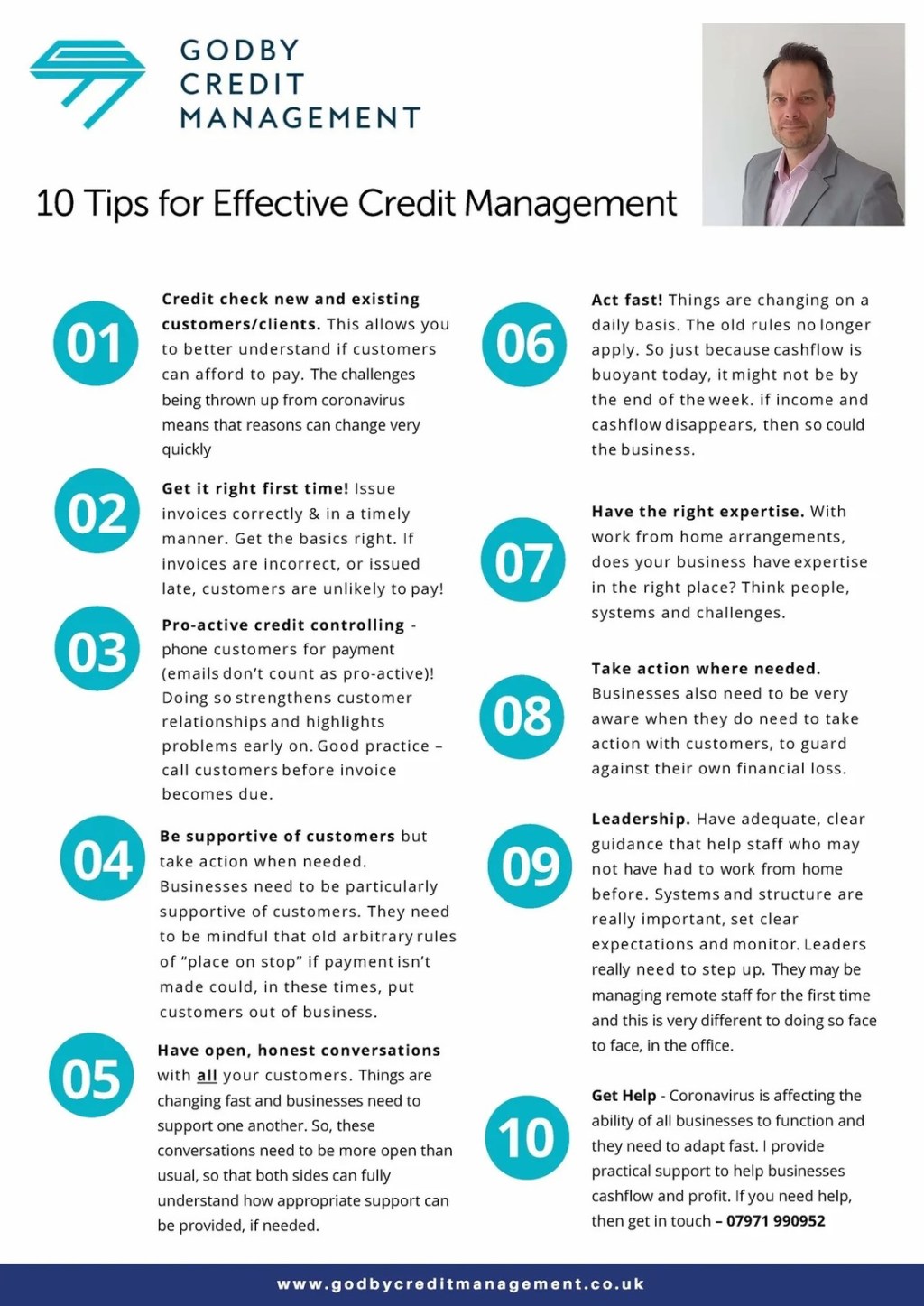
Next, it is important to establish good credit habits early on. Building a positive credit history will enable you to access better loan rates in the future when financing your education or other endeavors. To do so, make sure to pay all bills on time, keep credit card balances low (ideally below 30% of the available limit), and avoid opening too many new accounts at once.
Another useful strategy is to explore alternative ways of funding your education that don’t involve loans or high-interest credit cards. Scholarships, grants, work-study programs, part-time jobs, crowdfunding platforms – these are just a few examples of how students can finance their education without relying solely on borrowed funds.
When it comes to handling existing debts such as student loans or credit card balances from previous educational expenses, prioritize paying off high-interest debts first while making minimum payments on others. Consider utilizing various repayment plans offered by lenders or exploring loan forgiveness options if eligible.
Lastly, seek professional advice when necessary. Financial advisors can provide valuable guidance tailored specifically to individual circumstances. They can help create personalized strategies for improving credit scores, reducing debt burdens through negotiation or consolidation options if needed.
In conclusion, effective credit and debt management play an integral role in achieving financial stability while pursuing alternative schooling and education. By establishing good credit habits, creating a realistic budget, exploring alternative funding options, and seeking professional advice when necessary, students can navigate their educational journey without succumbing to unnecessary debt.
 Alternative Amie
Leave a comment