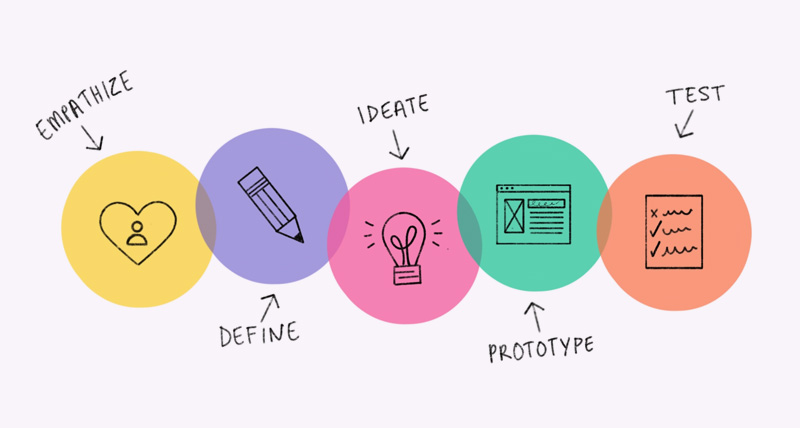
Design Thinking in Project-Based Learning
Project-based learning (PBL) has gained significant popularity in alternative education settings as a powerful approach to engage students in meaningful and authentic learning experiences. One key aspect that enhances the effectiveness of PBL is incorporating design thinking principles. Design thinking, a human-centered problem-solving methodology, helps students develop creative solutions by empathizing with users, defining problems, ideating potential solutions, prototyping and testing them, and finally implementing the most effective solution.
Integrating design thinking into project-based learning allows students to not only gain knowledge and skills but also develop critical-thinking abilities and shape their mindset towards innovation. By following the design thinking process, students are encouraged to think outside the box, collaborate effectively with their peers, communicate their ideas clearly, and learn from failure as they iterate through multiple prototypes.
Authentic Assessment Methods in Project-Based Learning
Assessment plays a crucial role in any educational setting as it provides feedback on student progress and informs instructional decisions. In project-based learning environments, traditional assessment methods may not capture the depth of student understanding or adequately reflect real-world application of knowledge and skills. To align assessment practices with the authentic nature of PBL experiences, alternative schools have been exploring innovative approaches.
One such approach is performance-based assessments where students demonstrate their learning through tangible products or performances that mirror real-world situations. For example, instead of taking a written test on a historical event or scientific concept studied during a project, students can create multimedia presentations or simulations that showcase their understanding in an engaging manner.
Another method is using rubrics that assess both content knowledge and process skills such as collaboration, communication, critical thinking, creativity, and problem-solving. Rubrics provide clear expectations for student work while allowing flexibility for individual strengths and interests.
Inquiry-Based Learning Projects
Inquiry-based learning (IBL) projects offer an immersive experience where students actively explore questions or problems through research and investigation. Unlike traditional instruction, where information is transmitted from teacher to student, IBL projects empower students to take ownership of their learning by posing questions, conducting research, and constructing meaning.
IBL projects start with a driving question or problem that sparks curiosity and engages students’ interest. Students then engage in research, gather evidence, analyze data, and draw conclusions. Throughout the process, teachers act as facilitators guiding students’ inquiries while providing support and resources.
The benefits of inquiry-based learning projects are manifold. They foster critical thinking skills by encouraging students to ask meaningful questions and seek answers independently. These projects also develop research skills as students learn how to locate relevant sources of information and evaluate their credibility. Moreover, IBL promotes collaboration as students work together to solve problems or address complex issues.
Project-Based Learning for STEAM Education
STEAM education combines science, technology, engineering, arts, and mathematics to create an interdisciplinary approach that fosters creativity and innovation. Project-based learning provides a natural platform for integrating STEAM subjects into engaging experiences where students can apply knowledge from multiple disciplines to solve real-world challenges.
In a project-based STEAM environment, learners have the opportunity to explore scientific concepts through hands-on experiments or design engineering solutions using digital tools. They can also leverage artistic elements such as visual design or storytelling techniques when presenting their findings or showcasing their innovations.
By integrating STEAM into project-based learning experiences in alternative schools, students develop transdisciplinary thinking skills necessary for success in the 21st century workforce. They learn how different subject areas intersect and complement each other while gaining practical experience in applying knowledge across domains.
Collaborative Projects in Alternative Schooling
Collaboration is a fundamental skill required for success in today’s interconnected world. In alternative schooling settings that prioritize student-centered approaches like project-based learning (PBL), collaborative projects provide opportunities for learners to collaborate effectively with their peers while achieving shared goals.
Collaborative projects involve students working together on a common task, sharing responsibilities, and leveraging each other’s strengths. The benefits of collaborative projects are not limited to academic achievement; they also foster social and emotional development by promoting empathy, communication skills, and teamwork.
In alternative schools, collaborative projects can be structured in various ways. For example, students may form small groups to work on specific aspects of a larger project or engage in cross-grade collaborations where older students mentor younger ones. Digital platforms and tools can also facilitate collaboration beyond physical boundaries by enabling virtual teamwork and online discussions.
Project-Based Learning for Social-Emotional Development
Alternative schools often prioritize the holistic development of learners, including their social-emotional well-being. Project-based learning (PBL) offers an ideal framework for nurturing social-emotional competencies such as self-awareness, self-management, social awareness, relationship skills, and responsible decision-making.
Through PBL experiences that require collaboration with peers or interactions with community partners, students develop empathy by understanding different perspectives and needs. They learn how to manage their emotions while facing challenges or setbacks during the project process. By engaging in meaningful projects that address real-world issues like environmental sustainability or community service, students develop a sense of purpose and responsibility towards others.
Teachers play a crucial role in supporting students’ social-emotional development within PBL environments. They create safe spaces where students feel comfortable expressing themselves and provide guidance on conflict resolution strategies when disagreements arise among team members.
Integrating Technology into Project-Based Learning
Technology has become an integral part of our daily lives; therefore it is essential to integrate it effectively into educational practices such as project-based learning (PBL). When used strategically in PBL environments, technology tools enhance student engagement, facilitate authentic research opportunities, promote creativity through digital media production or coding activities.
Digital platforms allow students to collaborate remotely using video conferencing tools or shared documents. Online research databases provide access to vast information resources that support inquiry-based investigations during projects. Students can also leverage multimedia tools to create presentations, videos, or websites that showcase their project outcomes in a visually appealing manner.
Teachers must ensure that technology integration aligns with the learning goals of the project and does not overshadow the authentic experiences. They should provide guidance on responsible digital citizenship and equip students with necessary skills to navigate online resources effectively.
Project Management Skills in Alternative Education Settings
In alternative education settings, project-based learning (PBL) often serves as a vehicle for developing essential life skills such as time management, organization, goal-setting, and communication. Project management skills are critical for success in both academic and professional contexts.
Through PBL experiences, students learn how to break down complex tasks into manageable steps, set realistic deadlines, allocate resources efficiently, and monitor progress towards goals. These skills are transferable beyond school projects and prepare learners for future challenges they may face in college or careers.
Teachers play a pivotal role in modeling effective project management strategies while providing opportunities for students to practice these skills independently. They can introduce project planning templates or use digital tools like Gantt charts or Kanban boards to help students visualize their tasks and track progress.
Community Partnerships and Service-Learning Projects
Alternative schools often emphasize community engagement as part of their educational philosophy. Incorporating community partnerships into project-based learning (PBL) provides an opportunity for students to connect with local organizations or individuals who can contribute expertise or resources to enhance the authenticity of their projects.
Service-learning projects allow students to address real needs within the community while simultaneously deepening their understanding of subject matter areas. For example, a biology class might partner with a local environmental organization to conduct water quality testing in nearby rivers or streams. By engaging with experts from the community during the research process or implementing solutions collaboratively with them, students gain valuable insights into potential career paths related to their interests.
Furthermore, service-learning projects foster empathy by exposing learners to diverse perspectives within their communities. They develop a sense of social responsibility and empower students to make positive contributions to society.
Environmental Sustainability Projects in Alternative Schools
As the need for environmental sustainability becomes increasingly urgent, alternative schools are embracing project-based learning (PBL) as a way to educate students about ecological issues and inspire them to take action. Environmental sustainability projects allow learners to explore topics such as climate change, renewable energy, waste reduction, or conservation through hands-on experiences and real-world problem-solving.
These projects often involve collaboration with local environmental organizations or experts who provide guidance and support. Students may conduct research on the impact of human activity on ecosystems, design sustainable solutions for their school or community, or participate in conservation initiatives like planting trees or creating recycling programs.
By engaging in environmental sustainability projects within alternative schools, students develop a deep understanding of ecological concepts while also cultivating a sense of stewardship towards the environment. These experiences foster critical thinking skills as students analyze complex problems and explore innovative solutions that promote long-term sustainability.
Project-Based Learning for Cultural Diversity and Inclusion
In an increasingly interconnected world where cultural diversity is celebrated, it is essential for education to promote inclusivity and intercultural understanding. Project-based learning (PBL) provides a platform for alternative schools to embrace cultural diversity by incorporating projects that explore different cultures, challenge stereotypes, and encourage empathy among students.
Cultural diversity projects can take various forms depending on the interests of learners and the resources available. For example, students might engage in cross-cultural exchanges with peers from different countries through virtual collaborations or pen-pal programs. They could also investigate historical events from multiple perspectives or create art installations that celebrate diverse cultures within their community.
During these projects, teachers play a crucial role by facilitating discussions around cultural sensitivity and providing opportunities for open dialogue. By engaging in culturally responsive PBL experiences, students gain valuable insights into global issues while developing respect for diverse perspectives.
Entrepreneurship and Business Projects in Alternative Education
Preparing students for the world of work and equipping them with entrepreneurial skills are priorities in alternative education. Project-based learning (PBL) offers an excellent opportunity to introduce entrepreneurship and business concepts in a practical and engaging manner.
Entrepreneurship projects allow students to explore various aspects of starting and running a business, including market research, product development, marketing strategies, financial planning, and customer relations. Students can create their own businesses or work collaboratively on group ventures.
These projects not only foster creativity and innovation but also develop essential life skills such as problem-solving, critical thinking, communication, and teamwork. They provide learners with hands-on experiences that simulate real-world challenges faced by entrepreneurs.
Teachers play a vital role in supporting entrepreneurship projects by providing guidance on business ethics, mentorship opportunities with local entrepreneurs or experts from the industry. By engaging in PBL experiences related to entrepreneurship and business management within alternative schools, students gain valuable insights into career paths while developing an entrepreneurial mindset that will serve them well throughout their lives.
Outdoor and Experiential Learning Projects
Alternative schools often embrace outdoor education as a means to provide experiential learning opportunities for students. Outdoor learning projects leverage natural environments to engage learners in authentic experiences that promote curiosity, exploration, environmental awareness, and personal growth.
These projects might involve activities such as nature hikes or camping trips where students learn about local ecosystems or develop survival skills. Students may also engage in citizen science initiatives like monitoring bird populations or collecting data on water quality in nearby streams.
Experiential learning projects outside the classroom offer numerous benefits for student development. They enhance cognitive abilities through contextualized learning experiences where knowledge is applied directly to real-world situations. Moreover, these experiences cultivate emotional resilience by challenging learners physically and mentally while fostering connections with nature.
Cross-Curricular Integration in Project-Based Learning
In alternative schooling settings that prioritize interdisciplinary approaches to education, project-based learning (PBL) provides an ideal framework for cross-curricular integration. By designing projects that incorporate multiple subject areas, educators create opportunities for students to explore connections between diverse disciplines and develop a holistic understanding of complex issues.
Cross-curricular PBL projects require collaboration among teachers from different subject areas who work together to plan and implement integrated learning experiences. For example, a project on urban planning might involve mathematics (calculating distances and scale), social studies (studying the history and culture of cities), language arts (writing proposals or persuasive speeches), and technology (creating digital models or presentations).
These projects promote critical thinking skills as students analyze problems from various perspectives, consider different approaches, and apply knowledge across domains. They also enhance student engagement by providing meaningful contexts where abstract concepts come to life through practical application.
Arts-Integrated Projects for Creative Expression
Artistic expression is an essential aspect of alternative education that nurtures creativity, self-expression, and emotional well-being. Integrating arts into project-based learning (PBL) allows students to explore their interests while developing critical-thinking skills through creative problem-solving.
Arts-integrated projects can take many forms depending on individual talents and interests. Students may engage in visual arts such as painting or sculpture to represent their understanding of complex concepts studied during the project period. They may also create performances like plays or dance routines that communicate ideas effectively to an audience.
Through these projects, learners cultivate imagination by exploring innovative solutions outside traditional academic frameworks. They learn how artistic practices intersect with other subject areas like science or literature while developing communication skills necessary for presenting their ideas creatively.
Personalized Learning Through Individual Projects
Recognizing that each student has unique strengths, interests, and preferred learning styles is fundamental in alternative education settings. Personalized learning approaches within project-based learning (PBL) allow students to pursue individual passions while meeting core curriculum objectives.
In personalized PBL experiences, students have the autonomy to choose topics aligned with their interests within broad project parameters. They design their own research questions, decide on appropriate methods for investigation, and create final products that demonstrate their understanding.
Personalized projects foster intrinsic motivation as students take ownership of their learning journey. They develop self-directed learning skills by setting goals, managing time effectively, and reflecting on their progress. Moreover, these projects provide opportunities for students to showcase unique talents or explore new areas of interest that may not be covered in traditional curricula.
Global Citizenship and International Collaboration Projects
In an interconnected world where global issues affect local communities, it is crucial for students to develop a sense of global citizenship and cultural competence. Project-based learning (PBL) provides a platform for alternative schools to engage learners in experiences that promote awareness of diverse cultures, address global challenges collaboratively, and foster empathy towards individuals from different backgrounds.
Global citizenship projects can involve international collaborations with schools or organizations located in different countries. Students can work together virtually using digital tools to address shared problems such as climate change or poverty alleviation. By engaging with peers from different cultural contexts through online discussions or collaborative project work, students gain valuable insights into global perspectives while developing communication skills across borders.
Teachers play a pivotal role in facilitating intercultural exchanges within PBL environments by promoting dialogue around issues related to social justice or human rights. By engaging in global citizenship projects within alternative schools, students cultivate empathy towards diverse populations while becoming active participants in creating positive change worldwide.
Project-Based Learning for Special Needs Students
Alternative education settings often prioritize inclusive practices that cater to the needs of all learners including those with special needs. Project-based learning (PBL) offers a flexible framework that allows teachers to differentiate instruction based on individual abilities while promoting meaningful engagement and academic growth.
For special needs students who may have unique learning styles or require additional support, PBL provides opportunities for hands-on exploration and authentic problem-solving tailored to their interests and abilities. Teachers can modify project parameters or adapt assessment strategies to accommodate diverse needs while maintaining high expectations for student achievement.
Inclusive PBL experiences foster social-emotional development by promoting collaboration and communication skills among students with diverse abilities. They also cultivate a sense of self-efficacy as special needs students engage in meaningful projects that showcase their strengths and allow them to contribute to the community.
Gamification and Game Design in Project-Based Learning
Gamification, the application of game elements or mechanics in non-game contexts, has gained popularity as an effective strategy to enhance student engagement and motivation. Alternative schools have been exploring the integration of gamification principles into project-based learning (PBL) experiences to create immersive environments where learners can solve problems, earn rewards, and progress through levels or quests.
Game-like elements such as badges, leaderboards, or points systems can be incorporated into PBL projects to provide immediate feedback on progress or recognize achievements. Teachers may also design project challenges that simulate real-world scenarios using interactive simulations or role-playing activities.
Moreover, integrating game design principles into PBL allows students to create their own games as project outcomes. This process not only develops critical thinking skills but also fosters creativity and innovation as students design rules, develop narratives, and consider player experiences.
Civic Engagement and Social Justice Projects
Alternative education settings often emphasize civic engagement by empowering students to become active participants in their communities and advocates for social justice. Project-based learning (PBL) offers a powerful framework for alternative schools to address local issues related to equity, diversity inclusion through hands-on experiences that promote empathy action.
Civic engagement projects within PBL involve partnerships with community organizations or stakeholders who provide authentic contexts for service-learning initiatives advocacy campaigns. Students may work collaboratively on projects addressing topics such as poverty alleviation gender equality environmental sustainability racial justice human rights.
These projects foster critical-thinking skills by encouraging students analyze root causes systemic issues propose implement solutions positively impact lives individuals communities. Moreover they cultivate responsible citizenship empower take ownership their learning while becoming agents positive change society.
Project-Based Learning for Career Exploration
Alternative education settings focus on preparing students for future success by equipping them with essential career exploration skills. Project-based learning (PBL) provides an effective platform for learners to engage in hands-on experiences that expose them to various industries, professions, or career pathways.
Career exploration projects within PBL can involve activities such as job shadowing, internships, or interviews with professionals from different fields. Students may also create portfolios that showcase their skills and interests relevant to specific careers they wish to pursue.
Through these projects, students develop a deeper understanding of the knowledge and skills required in different occupations. They gain exposure to real-world work environments and build networks with professionals who can offer mentorship or guidance. Furthermore, career exploration projects help students make informed decisions about post-secondary education or training opportunities necessary for their desired careers.
Project-Based Learning in Early Childhood Education
While project-based learning (PBL) is often associated with older students, it can be adapted successfully for early childhood education settings as well. PBL experiences at the early childhood level provide young learners with opportunities to explore their interests through play-based inquiry and hands-on activities.
In early childhood PBL, teachers facilitate open-ended investigations based on children’s questions or observations about the world around them. For example, a project exploring
 Alternative Amie
Leave a comment