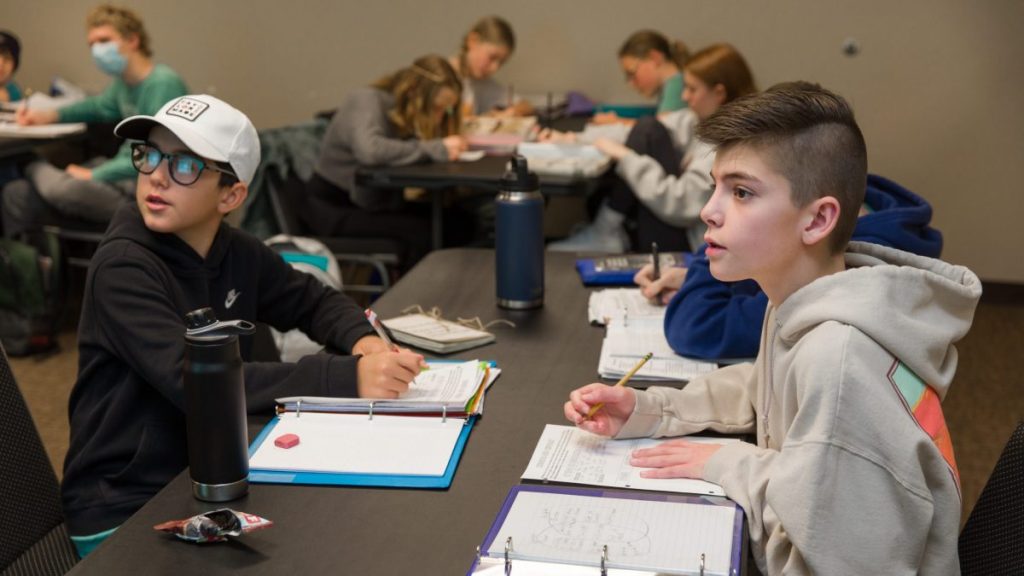
Building a Community Within the Hybrid Homeschooling Model
Hybrid homeschooling, also known as part-time or blended learning, has gained popularity in recent years as an alternative to traditional schooling. This educational model combines elements of both homeschooling and traditional classroom instruction, offering flexibility and customization while still providing social interaction and support. One crucial aspect of hybrid homeschooling is building a strong community for students, parents, and educators. In this article, we will explore eight effective ways to create and nurture a thriving community within the hybrid homeschooling model.
1. Establish regular communication channels:
Effective communication is vital for building a sense of community within the hybrid homeschooling environment. Parents should have open lines of communication with teachers, administrators, and other families involved in the program. Utilize various platforms such as email newsletters, online forums or message boards, video conferences, or private social media groups to stay connected regularly.
2. Organize regular meet-ups:
While hybrid homeschoolers may not attend school together every day like their traditional counterparts do, it’s important to plan regular meet-ups for students and parents to interact face-to-face. These meet-ups can include field trips to museums or parks, study groups at local libraries or cafes, or even extracurricular activities such as music lessons or sports teams specifically designed for hybrid learners.
3. Foster peer-to-peer connections:
Creating opportunities for students in the hybrid homeschooling model to forge friendships with one another is essential for their overall development. Consider organizing virtual hangouts where children can engage in group projects or discussions using video conferencing tools specifically designed for education purposes.
4. Encourage parent involvement:
Parental involvement plays a significant role in the success of any educational model – including hybrid homeschooling. Encourage parents to actively participate in their child’s education by volunteering during field trips or helping organize co-curricular activities within the community.
5. Create mentorship programs:
Incorporating mentorship programs within the hybrid homeschooling community can greatly benefit students. Older students or experienced parents can serve as mentors to younger learners, offering guidance and support in academic or personal matters. This fosters a sense of responsibility and connection among participants.
6. Provide professional development opportunities:
Just as continuing education is important for teachers in traditional schools, it’s equally crucial for educators involved in hybrid homeschooling programs to stay updated with the latest teaching strategies and technologies. Organize workshops, webinars, or conferences where teachers can network with their peers, share best practices, and learn new techniques to enhance the learning experience.
7. Engage local businesses and organizations:
Building connections with local businesses and organizations can provide unique learning experiences for hybrid homeschoolers while also strengthening ties within the community. Reach out to museums, art studios, science centers, libraries, or nonprofits that align with your educational goals to arrange field trips or special events tailored specifically for hybrid learners.
8. Facilitate online forums for parent collaboration:
Creating online communities where parents can connect with other families following similar educational approaches is another effective way to build a supportive network within the hybrid homeschooling model. These forums allow parents to exchange ideas about curriculum choices, educational resources, and challenges they may face during their child’s education journey.
In conclusion, building a strong community is essential for successful implementation of the hybrid homeschooling model. Regular communication channels between parents and educators along with face-to-face meet-ups are vital components of this process. Encouraging peer connections among students through virtual hangouts or group projects foster socialization skills crucial for their overall development. Parent involvement should be actively encouraged through volunteering opportunities and mentorship programs that provide additional support systems within the community. Lastly, engaging local businesses and creating online forums further enhance collaboration among families following this alternative schooling approach.
By implementing these eight strategies effectively within the hybrid homeschooling model, you will create an environment that nurtures both academic growth and a sense of belonging, ultimately leading to the success of students, parents, and educators alike.
 Alternative Amie
Leave a comment