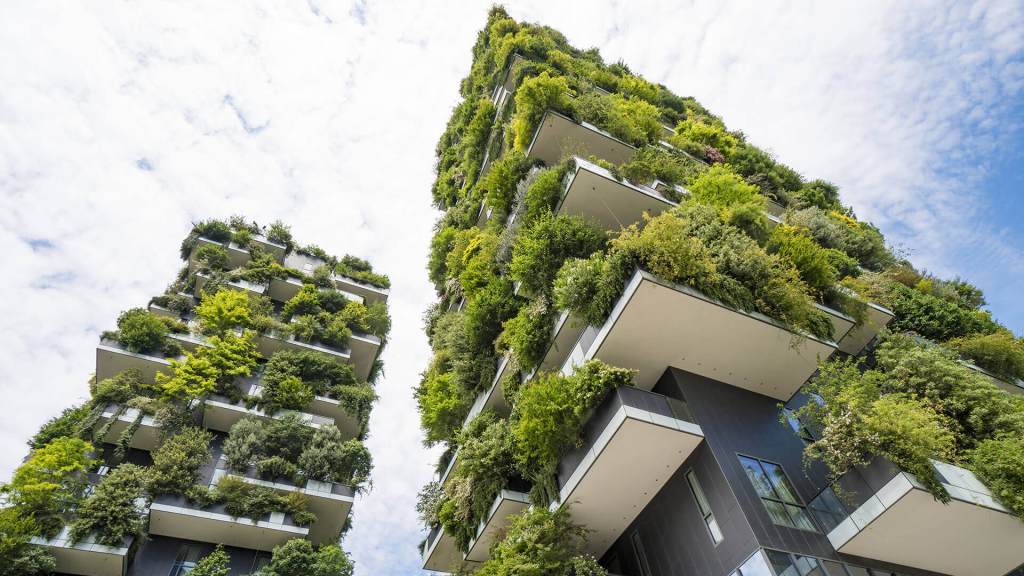
Green building materials are becoming increasingly popular as people recognize the importance of sustainable and eco-friendly construction practices. These materials offer numerous benefits, including energy efficiency, reduced environmental impact, and improved indoor air quality. In this article, we will explore some of the top green building materials that can be used in alternative schooling and education facilities.
1. Bamboo:
Bamboo is an excellent choice for green construction due to its rapid growth rate and renewability. It is a highly versatile material that can be used for flooring, furniture, partitions, and even structural elements like beams and columns. Bamboo has a high strength-to-weight ratio and offers natural resistance to insects and moisture. Additionally, it absorbs more carbon dioxide from the atmosphere compared to most other plants.
2. Recycled Steel:
Using recycled steel as a building material reduces the need for mining raw iron ore while minimizing waste generation. Steel structures are durable, lightweight, fire-resistant, and can withstand extreme weather conditions such as hurricanes or earthquakes. Additionally, steel buildings have a long lifespan with minimal maintenance requirements.
3. Structural Insulated Panels (SIPs):
SIPs consist of two layers of rigid insulation sandwiched between structural panels such as plywood or oriented strand board (OSB). These panels provide superior thermal performance compared to traditional stud-framed walls by reducing thermal bridging – heat transfer through wall components that bypass insulation. SIPs also offer faster installation times due to their large pre-cut sections.
4. Hempcrete:
Hempcrete is made from a mixture of hemp fibers (the woody core of the hemp plant) combined with lime-based binders or hydraulic lime mortar. This bio-composite material is lightweight yet sturdy and provides excellent thermal insulation properties while allowing buildings to breathe naturally by regulating humidity levels effectively.
5. Rammed Earth:
Rammed earth construction involves compacting damp soil into formwork layers until it becomes hard like concrete walls but without using cement as a binder. This ancient building technique is making a comeback due to its low environmental impact, high thermal mass, and natural aesthetic appeal. Rammed earth buildings are energy-efficient and can help maintain stable indoor temperatures throughout the year.
6. Cork:
Cork is a renewable material harvested from the bark of cork oak trees. It is commonly used as flooring material due to its durability, comfort underfoot, and natural noise insulation properties. Cork also has excellent thermal insulation capabilities, reducing heating and cooling needs in educational facilities while providing a comfortable learning environment.
7. Recycled Glass:
Using recycled glass as a building material helps divert waste from landfills while reducing the extraction of virgin materials like sand or gravel used in traditional construction practices. Recycled glass can be utilized for countertops, tiles, decorative elements like mosaic walls or even as structural components when combined with other materials such as concrete.
8. Low VOC Paints:
Volatile Organic Compounds (VOCs) found in conventional paints release harmful chemicals into the air during application and drying processes, contributing to poor indoor air quality (IAQ). Low VOC paints are made with water-based formulas that emit fewer toxins; they have reduced levels of hazardous substances such as formaldehyde or benzene. Using low VOC paints ensures healthier IAQ for students and teachers alike.
9. Solar Panels:
Solar panels harness sunlight’s energy and convert it into electricity without producing greenhouse gas emissions or pollution associated with fossil fuel power generation methods. Integrating solar panels into alternative schooling facilities not only reduces dependence on non-renewable energy sources but also serves as an educational tool by showcasing sustainable practices to students.
10. Living Roofs/Green Roofs:
Green roofs involve installing vegetation atop buildings using waterproofing membranes, root barriers, drainage systems, soil substrates, and plantings suitable for local climates. They offer numerous benefits such as stormwater management through absorption and evapotranspiration processes while increasing insulation, reducing energy consumption, and improving air quality. Green roofs also create additional outdoor learning spaces for students.
11. Straw Bale:
Straw bale construction uses tightly packed straw as an insulating material within a structural frame. This eco-friendly technique provides excellent thermal performance while reducing the carbon footprint associated with traditional insulation materials like fiberglass or foam boards. Straw bale walls are breathable and regulate indoor humidity levels effectively.
12. Natural Linoleum:
Unlike vinyl flooring, which contains harmful chemicals and synthetic materials, natural linoleum is made from renewable resources such as linseed oil, cork powder, wood flour, and jute fibers. It is biodegradable, hypoallergenic, antimicrobial, and low maintenance. Natural linoleum comes in various colors and patterns suitable for educational settings.
In conclusion, alternative schooling facilities can benefit greatly from incorporating green building materials into their construction projects. These sustainable options offer improved energy efficiency, reduced environmental impact, enhanced indoor air quality, and serve as educational tools for students to learn about environmental stewardship firsthand. By embracing green building practices through the use of these materials mentioned above (among others), educational institutions can foster a culture of sustainability while providing healthier learning environments for future generations to thrive in.
 Alternative Amie
Leave a comment