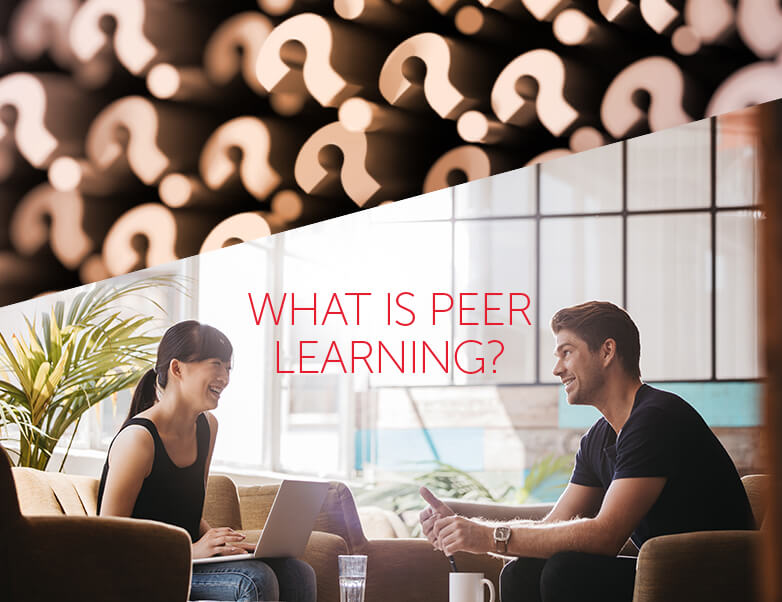
Peer-to-peer learning, also known as collaborative learning or cooperative learning, is a powerful educational approach that allows individuals to learn from and teach each other. This method of learning has gained significant popularity in recent years, especially with the rise of online platforms that facilitate peer-to-peer interactions. In this article, we will explore eight reasons why peer-to-peer learning online is an effective and valuable way to gain knowledge.
1. Active engagement: Peer-to-peer learning encourages active participation and engagement from all participants. Instead of passively consuming information from a teacher or textbook, learners actively contribute to discussions, ask questions, and share their perspectives. This interactive process helps to deepen understanding and retention of the subject matter.
👉 Check it out: Shop Tactical Flashlight on Amazon
2. Diverse perspectives: When individuals come together for peer-to-peer learning, they bring diverse backgrounds, experiences, and viewpoints. This diversity enriches the learning environment by exposing learners to different ways of thinking and problem-solving approaches. It broadens their horizons and promotes creative thinking.
👉 Check it out: Shop Hiking Boots on Amazon
3. Enhanced communication skills: Engaging in discussions with peers improves communication skills such as listening attentively, articulating thoughts clearly, and providing constructive feedback. These are vital skills that can benefit learners in various aspects of life beyond academics.
4. Increased motivation: Peer collaboration creates a supportive atmosphere where learners motivate each other through encouragement and friendly competition. Being part of a community fosters a sense of accountability and pushes individuals to stay committed to their personal growth.
5. Personalized learning experience: Peer-to-peer learning allows individuals to personalize their education according to their interests and needs by choosing topics they want to explore further or seeking help on specific areas they find challenging.
6. Building social connections: Online peer-to-peer platforms provide opportunities for learners worldwide to connect regardless of geographical boundaries or time zones. These connections can lead not only to intellectual growth but also lifelong friendships across cultures.
7. Cost-effective alternative: Traditional forms of education often come with hefty price tags. Peer-to-peer learning online, however, is often free or available at a significantly lower cost. This makes education more accessible to individuals who may not have the means to pursue formal education.
8. Continuous learning: The beauty of peer-to-peer learning online is that it allows individuals to become both learners and teachers simultaneously. As they engage in discussions and share their knowledge with others, they reinforce their own understanding of the subject matter while also contributing to someone else’s growth.
In conclusion, peer-to-peer learning online offers numerous advantages for individuals seeking alternative schooling and education options. Through active engagement, diverse perspectives, enhanced communication skills, motivation, personalization of learning experiences, social connections, affordability, and continuous learning opportunities – peer-to-peer learning empowers learners to take control of their educational journey and reap the benefits of collaborative knowledge sharing.
🛒 Recommended Products
As an Amazon Associate, we earn from qualifying purchases.
Disclosure: This post contains Amazon affiliate links. As an Amazon Associate, we earn from qualifying purchases at no additional cost to you.
 Alternative Amie
Leave a comment