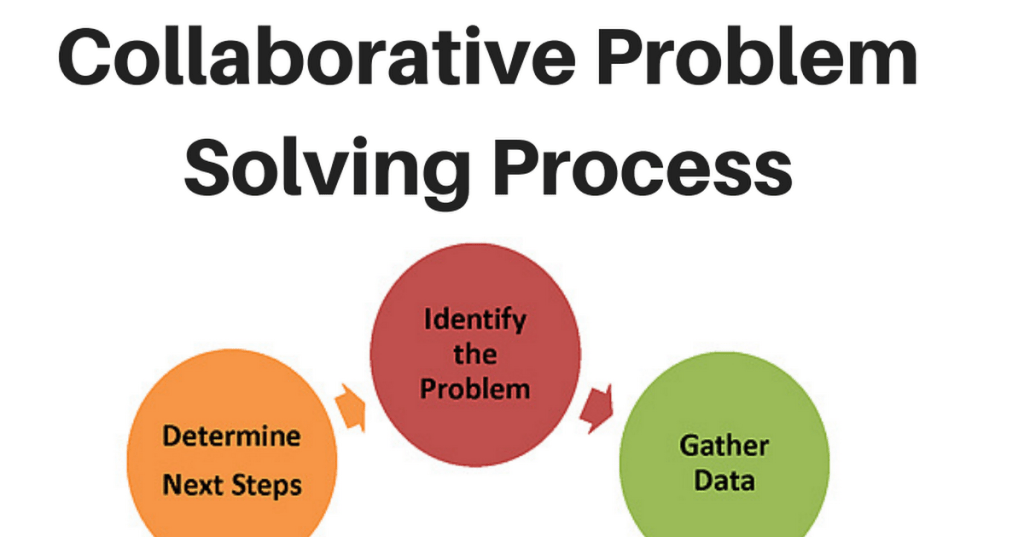
Collaborative Problem-Solving Techniques for Alternative Education Settings
In alternative education settings, fostering a collaborative problem-solving approach is crucial for creating an inclusive and supportive learning environment. Unlike traditional classrooms, alternative schools aim to provide personalized education that meets the unique needs of each student. By implementing effective techniques for collaborative problem-solving, educators can empower students to develop critical thinking skills, promote creativity, and cultivate empathy.
1. Encourage Active Listening:
Active listening is the foundation of effective collaboration. It involves giving one’s full attention to others while they are speaking and seeking to understand their perspectives without interrupting or judgment. Educators can teach active listening skills by modeling them during discussions or using activities like role-playing exercises where students take turns being the listener and speaker.
To encourage active listening in alternative education settings, teachers can incorporate strategies such as “think-pair-share” or “turn and talk.” These techniques allow students to reflect on their thoughts individually before sharing with a partner or small group. This process not only enhances understanding but also promotes empathy by valuing diverse viewpoints.
2. Foster Effective Communication:
Clear and respectful communication is paramount in collaborative problem-solving. Educators should create opportunities for students to express their ideas freely while establishing guidelines for respectful dialogue. Setting norms such as using “I” statements instead of blaming language helps maintain a positive atmosphere conducive to open discussion.
Teachers can facilitate effective communication through structured activities like debates or Socratic seminars where students engage in thoughtful conversations around specific topics or challenges. Providing sentence starters or conversation prompts can support those who struggle with articulating their thoughts initially.
3. Emphasize Teamwork:
Collaboration often involves working within teams where individuals contribute their unique strengths towards achieving common goals. Incorporating teamwork into alternative education settings allows students to enhance social skills, learn from each other’s experiences, and build trust among peers.
Assigning group projects that require brainstorming sessions encourages teamwork while developing vital problem-solving skills. Encourage students to actively listen, respect differing opinions, and distribute tasks equitably within the group. Regular check-ins or progress reports can help monitor team dynamics and ensure everyone is engaged.
4. Promote Critical Thinking:
Alternative education settings prioritize critical thinking as a core competency. Collaborative problem-solving techniques provide an ideal platform for developing and refining these skills. Encourage students to analyze problems from multiple perspectives, evaluate evidence, question assumptions, and propose creative solutions.
Teachers can introduce activities like case studies or real-world simulations that require students to apply their knowledge in practical situations. These exercises promote critical thinking by presenting complex problems that demand thoughtful analysis and collaborative decision-making.
5. Use Technology Tools:
In today’s digital age, technology offers a myriad of tools that can facilitate collaborative problem-solving in alternative education settings. Online platforms allow for seamless communication and collaboration among students regardless of physical distance.
Virtual whiteboards such as Miro or Google Jamboard enable real-time brainstorming sessions where multiple users contribute ideas simultaneously. Discussion boards or chat features on learning management systems create spaces for ongoing dialogue outside of class hours.
6. Provide Constructive Feedback:
Constructive feedback plays a vital role in the growth of individuals within a collaborative environment. Educators should model giving feedback effectively by focusing on specific behaviors or ideas rather than personal attacks.
Encourage students to provide peer-to-peer feedback during group projects using guidelines like the “sandwich method” (positive comment-critical comment-positive comment). This approach ensures constructive criticism is balanced with recognition of each individual’s efforts.
7. Reflect on the Process:
Reflection allows students to learn from their experiences while identifying areas for improvement in future collaborations. Dedicate time at the end of a project or activity for individuals and groups to reflect on what worked well, challenges faced, lessons learned, and strategies they would employ differently next time.
Teachers can facilitate reflection through prompts such as “What was your role within the group, and how did it contribute to the overall outcome?” or “What strategies did you use to resolve conflicts during collaborative problem-solving?”
By implementing these collaborative problem-solving techniques in alternative education settings, educators can create an environment that fosters creativity, critical thinking, empathy, and teamwork. These skills are not only essential for academic success but also equip students with lifelong abilities needed in today’s interconnected world.
 Alternative Amie
Leave a comment