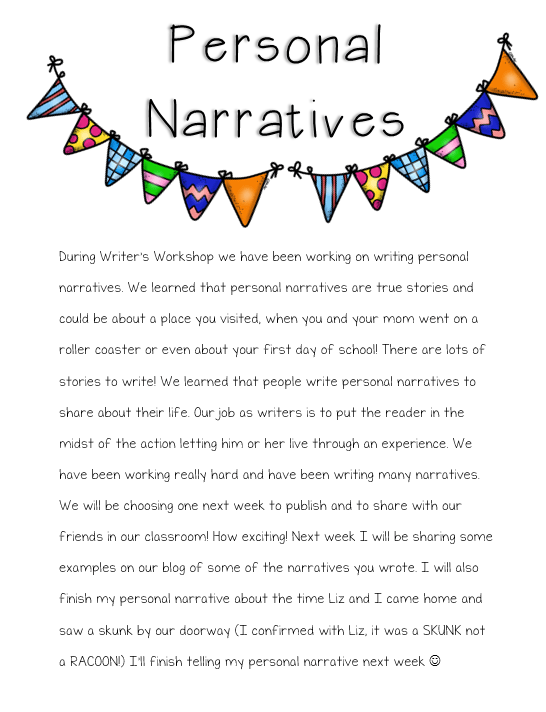
Personal Narratives:
Personal narratives are stories that individuals tell about their own experiences, thoughts, and feelings. They provide a way for people to share their unique perspectives and connect with others on a deeper level. In education, personal narratives can be powerful tools for self-expression, reflection, and growth.
In the classroom, personal narratives can be used in various ways. They can serve as writing assignments where students reflect on important events or moments in their lives. These narratives allow students to explore their identities and develop a stronger sense of self-awareness. Additionally, personal narratives can be shared orally during class discussions or presentations, allowing students to practice public speaking skills and engage with their peers.
Fictional Narratives:
Fictional narratives are stories that are made up by authors or storytellers. Unlike personal narratives that draw from real-life experiences, fictional narratives involve characters, settings, and events that are purely imaginary. Fictional storytelling allows individuals to enter different worlds and explore new ideas and possibilities.
In education, fictional narratives play a crucial role in promoting creativity, imagination, and critical thinking skills among students. By reading fiction books or creating their own stories through writing exercises or creative projects like plays or short films, students learn how to construct compelling plots with well-developed characters while also exploring complex themes such as morality, social justice issues or environmental concerns.
Autobiographical Narratives:
Autobiographical narratives are essentially personal memoirs written by individuals about themselves. These types of narrative focus specifically on one’s life experiences but may also incorporate elements of fiction when necessary for storytelling purposes.
In alternative schooling environments where student voice is highly valued Autobiographical Narratives provides an opportunity for learners to express themselves freely while reflecting upon significant milestones in their lives – both positive and negative ones alike – thus fostering self-discovery which ultimately helps shape identity formation positively.
Narrative Therapy in Alternative Schooling:
Narrative therapy is an approach used within counseling practices that focuses on the power of storytelling to promote healing and personal growth. In alternative schooling settings, narrative therapy can be a valuable tool for students struggling with emotional or behavioral challenges.
By encouraging students to share their stories in a safe and supportive environment, narrative therapy allows them to gain insight into their own experiences, develop coping strategies, and reframe negative narratives into more positive ones. This approach also helps build resilience and self-esteem among students by emphasizing their strengths and abilities rather than focusing solely on their problems.
Digital Storytelling in Education:
Digital storytelling is the use of technology tools such as videos, animations, or multimedia presentations to tell compelling stories. It provides an engaging way for students to express themselves creatively while developing digital literacy skills.
In education, digital storytelling can be integrated into various subjects and activities. Students can create multimedia presentations about historical events or scientific concepts, produce short films based on literature readings or write scripts for animated videos that explore social issues. By incorporating technology into storytelling activities, educators can tap into students’ interests while fostering critical thinking skills and enhancing communication abilities.
Storytelling as a Tool for Social-Emotional Learning:
Storytelling plays a significant role in social-emotional learning (SEL), which involves acquiring knowledge and skills related to self-awareness, self-management, social awareness, relationship building, responsible decision-making etc.
Alternative schooling often emphasizes SEL as it recognizes the importance of holistic student development.
Through narratives teachers can introduce characters who exhibit empathy kindness perseverance resilience etc., thus enabling learners to identify these traits within themselves & others.
They learn how characters navigate challenging situations & make ethical decisions – this helps learners develop problem-solving skills & enhances moral reasoning abilities
Narrative Approaches to Teaching History:
Traditional history lessons often focus on memorization of facts and dates which may not engage students fully.
However using narrative approaches such as historical fiction novels biographies memoirs primary source documents oral histories etc – makes history come alive.
By telling stories about historical events or figures, educators can help students develop a deeper understanding of the past and its impact on the present.
This approach allows learners to engage with history on a personal level by connecting emotionally with the experiences of people who lived during different time periods.
Using Narratives to Teach Cultural Diversity and Inclusion:
Narratives provide an excellent platform for teaching cultural diversity and inclusion as they allow students to explore different perspectives and experiences.
Educators can use narratives that highlight diverse cultures, traditions, and identities to foster empathy, respect, and appreciation for differences among students.
By reading stories from various cultures or studying literature written by authors from marginalized communities, students gain insight into the challenges faced by others while also recognizing shared human experiences. This promotes a sense of belongingness in classrooms where all voices are valued & leads to more inclusive school environments overall
The Role of Narrative Assessments in Project-Based Learning:
Project-based learning (PBL) is an instructional approach that emphasizes student-centered inquiry and hands-on activities.
In PBL settings narrative assessments play a crucial role as they allow educators to assess not only content knowledge but also critical thinking skills collaboration creativity problem-solving abilities & communication proficiency
Instead of relying solely on traditional tests or exams narrative assessments encourage students to reflect upon their project work explain their decision-making process justify their choices through storytelling thus providing a holistic picture of student learning outcomes
These assessments may take various forms such as written reflections presentations portfolios videos etc – depending on the nature of the project itself
Through these assessments teachers can identify areas where students excel or need additional support thus guiding instruction accordingly
 Alternative Amie
Leave a comment