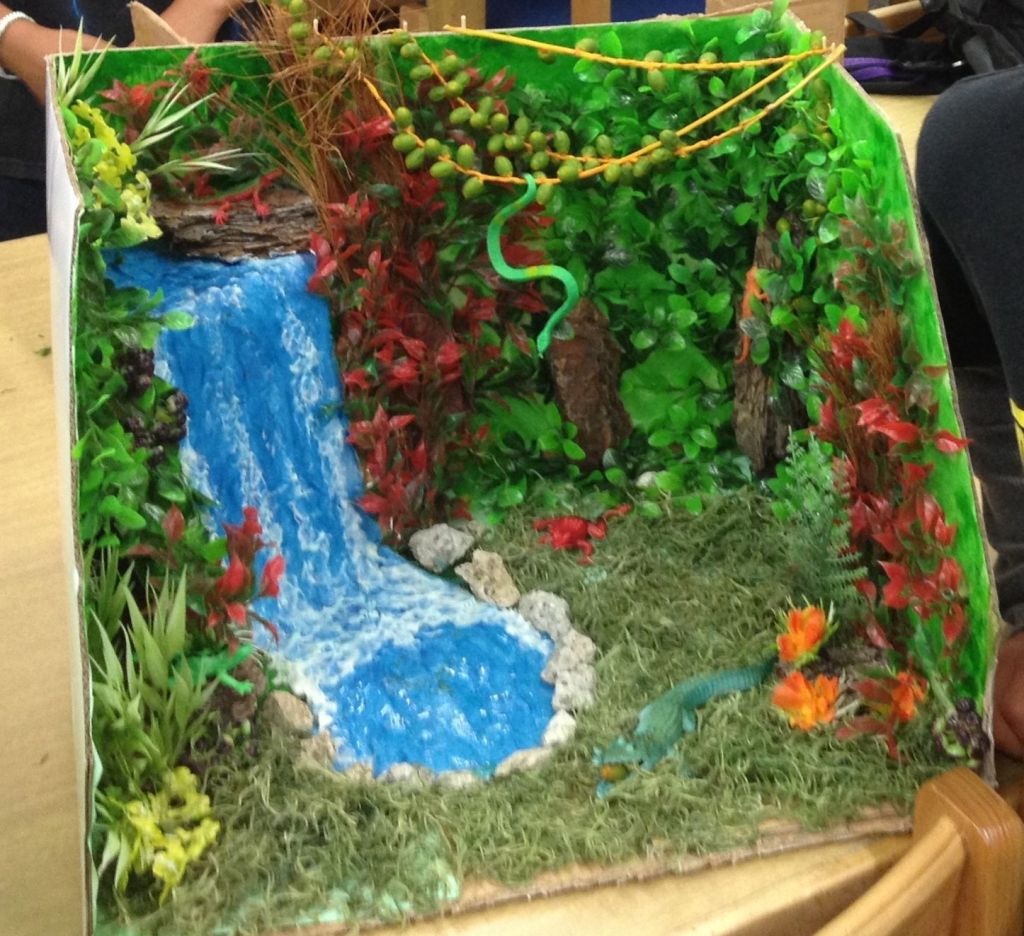
In the heart of the rainforest, a unique and alternative form of education is taking place. Unconventional as it may seem, unschooled teenagers are thriving in this tropical paradise. Free from traditional classroom settings, these young individuals are immersing themselves in nature while learning valuable life skills and pursuing their passions.
Unschooling is an educational philosophy that emphasizes self-directed learning rather than following a standardized curriculum. It encourages students to explore their interests and learn through real-life experiences rather than textbooks and exams. In the rainforest, unschooled teenagers have the opportunity to engage with their surroundings in a way that fosters curiosity, independence, and creativity.
One of the key benefits of unschooling in the rainforest is its focus on environmental awareness. These teenagers develop a deep connection with nature as they learn about local flora and fauna, conservation efforts, sustainable practices, and indigenous cultures. They participate in hands-on activities such as planting trees, wildlife observation, water testing projects, or even assisting researchers studying biodiversity.
Living amidst such rich biodiversity provides endless opportunities for learning across various disciplines. Unschooled teenagers can acquire knowledge about biology by observing different species or studying ecological relationships within the rainforest ecosystem. They gain practical math skills when calculating distances during hikes or measuring plant growth rates. Artistic expression flourishes through photography capturing stunning landscapes or artistic renditions inspired by native art forms.
Another advantage of this alternative form of education is the emphasis on community engagement and collaboration. Rainforest-dwelling unschooled teenagers often work alongside local communities on projects that benefit both parties involved. This could involve constructing eco-friendly infrastructure like bridges or developing initiatives related to sustainable farming practices or waste management systems.
The freedom afforded by unschooling allows these teenagers to pursue their individual passions without constraints imposed by conventional schooling structures. Some may choose to delve into music production using natural sounds found within their environment; others might become avid hikers who document their explorations. Some may develop a keen interest in herbal medicine by learning from indigenous healers, while others might dedicate themselves to researching rainforest conservation methods.
Unschooling in the rainforest is not without its challenges. There is a need for self-motivation and discipline as there are no set schedules or formal assessments. However, these young individuals learn valuable life skills such as time management, problem-solving, adaptability, and resourcefulness – qualities that are highly sought after in today’s rapidly changing world.
In conclusion, unschooling teenagers in the rainforest provides a unique and enriching educational experience. By embracing nature as their classroom and pursuing their passions with autonomy, these students are not only acquiring knowledge but also developing important life skills. Their connection with the environment fosters environmental consciousness and community engagement, shaping them into well-rounded individuals prepared for the challenges of the future.
 Alternative Amie
Leave a comment