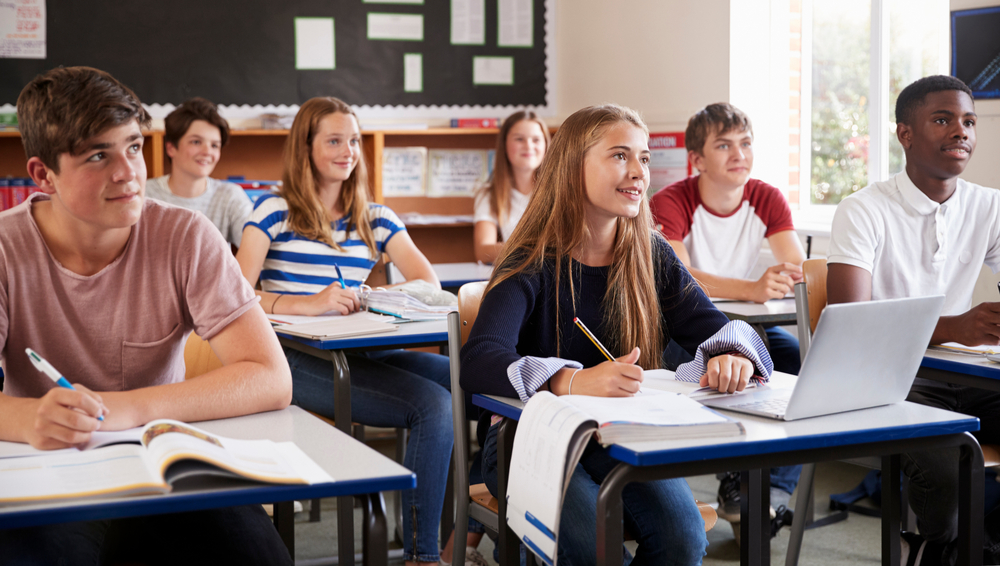
Democratic Classroom Management: Empowering Students through Collaboration and Participation
Introduction:
In traditional educational settings, the classroom is often seen as a hierarchical structure where the teacher holds most of the power and students are expected to passively receive information. However, in recent years, there has been a shift towards alternative approaches that prioritize student empowerment and active participation. One such approach is democratic classroom management.
Democratic classroom management aims to create an environment where all students have a voice in decision-making processes, feel valued and respected, and actively engage in their own learning journey. This article will explore the principles behind democratic classroom management, its benefits for students and teachers alike, as well as practical strategies for implementing this approach effectively.
The Principles of Democratic Classroom Management:
At its core, democratic classroom management centers around three fundamental principles: shared decision-making, mutual respect, and fostering a sense of community.
Shared Decision-Making:
In a democratic classroom setting, decisions about rules, curriculum content, assignments, assessments methods are made collectively with input from both teachers and students. By involving students in these decisions rather than imposing them top-down style by authority figures alone—students take ownership over their education. This involvement not only fosters engagement but also helps develop critical thinking skills by encouraging students to analyze problems from different perspectives.
Mutual Respect:
Respect forms the foundation of any successful learning environment. In a democratic classroom setting, respect goes beyond basic civility; it means acknowledging each individual’s worth regardless of their age or status within the class hierarchy. Students’ opinions are valued equally alongside those of their peers and teachers when making decisions or engaging in discussions.
Fostering Community:
Creating a sense of community is crucial for building trust among individuals within the class. In a democratic setting—teachers facilitate activities that promote collaboration amongst students such as group projects or cooperative learning tasks—students learn to work together towards common goals while appreciating diversity in ideas and perspectives.
Benefits of Democratic Classroom Management:
1. Increased Engagement:
When students feel that their opinions are heard and valued, they become more invested in their learning journey. They are more likely to participate actively, ask questions, and offer insights during discussions. This increased engagement leads to a deeper understanding of the subject matter and promotes critical thinking skills.
2. Enhanced Responsibility:
Democratic classroom management encourages students to take responsibility for their own learning. As they have a say in decision-making processes, such as choosing assignments or setting goals—students become accountable for the outcomes of those choices. This fosters a sense of ownership which can lead to greater motivation and self-discipline.
3. Improved Social Skills:
By regularly engaging in collaborative activities within a democratic classroom environment, students develop essential social skills such as effective communication, active listening, empathy, and conflict resolution. These skills not only benefit them academically but also prepare them for success in future personal and professional relationships.
4. Empowered Students:
Perhaps one of the most significant benefits of democratic classroom management is the empowerment it provides students with—making them active participants rather than passive recipients in their education. When students have agency over decisions that affect their lives directly—their confidence grows, fostering independence and autonomy.
Strategies for Implementing Democratic Classroom Management:
1. Establish Clear Expectations:
It’s important to create an atmosphere where everyone understands what is expected of them regarding behavior, participation levels, deadlines, etc., but involve students in creating these expectations collaboratively so they feel ownership over them.
2. Facilitate Open Dialogue:
Encourage open dialogue by creating regular opportunities for discussions about class-related topics or issues affecting the class community at large—ensuring all voices are heard regardless of differing opinions or perspectives.
3.Encourage Student-Led Activities:
Delegate tasks like leading discussions or facilitating group work rotations to different students on rotation basis—this allows individuals to practice leadership skills while also promoting shared decision-making.
4. Emphasize Reflection and Feedback:
Regularly provide opportunities for students to reflect on their learning experiences, evaluate their progress, and offer feedback on classroom management processes. This fosters a culture of continuous improvement and ensures that everyone’s voice is heard.
5. Model Democratic Behavior:
Teachers should serve as role models by demonstrating democratic behavior themselves—listening actively, valuing diverse opinions, and showing respect for others’ perspectives.
Conclusion:
Democratic classroom management offers a powerful alternative to traditional top-down approaches in education. By involving students in decision-making processes, fostering mutual respect, and creating an inclusive community, this approach empowers students to take control of their own learning journey. The benefits are numerous: increased engagement, enhanced responsibility, improved social skills—all leading to empowered individuals who are prepared for success both inside and outside the classroom. Implementing democratic classroom management requires intentional effort from teachers but can yield long-lasting positive outcomes for all involved parties.
 Alternative Amie
Leave a comment