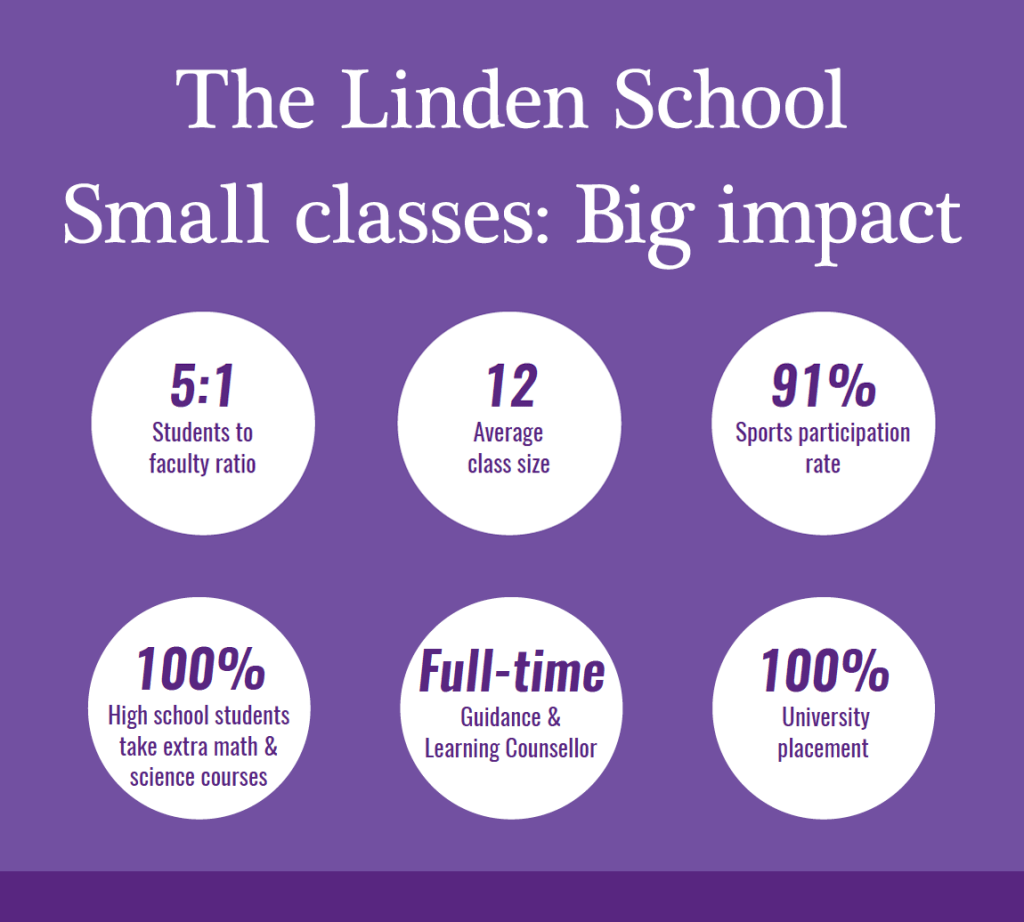
Benefits of Small Schools
When it comes to education, small schools have their own unique advantages that set them apart from larger institutions. In this post, we will explore some key benefits of small schools and why they are worth considering.
1. Personalized Learning: In small schools, teachers can provide individual attention to each student. With fewer students in a classroom, educators can tailor their teaching methods and curriculum to meet the specific needs and learning styles of their students.
2. Small School Communities: Small schools foster a strong sense of community among students, teachers, and parents. The tight-knit environment allows for closer relationships between staff members and families, creating a supportive network that enhances the overall educational experience.
3. Teacher-Student Relationships: In small schools, teachers have more opportunities to build meaningful connections with their students. This leads to better understanding of each student’s strengths, weaknesses, interests, and goals – ultimately resulting in improved academic outcomes.
4. Student Engagement: Research has shown that smaller class sizes positively impact student engagement levels. Students in small schools tend to participate more actively in class discussions and feel more comfortable expressing themselves academically and socially.
5. Small Schools vs Large Schools: While large schools may offer a wider range of extracurricular activities or specialized programs due to their resources, small schools often excel in fostering an inclusive environment where every student feels valued and supported.
6. Curriculum Options: Despite their size limitations, many small schools offer diverse curriculum options tailored to the needs of individual students or the local community’s interests and values.
7. Resources and Facilities: Though smaller in scale compared to larger institutions, small schools often make efficient use of available resources by maximizing space utilization or utilizing shared facilities within the community.
8. Inclusive Education: Small schools typically embrace inclusive education practices by providing support services for differently-abled children within mainstream classrooms or through specialized programs tailored specifically for those with special needs.
9. Extracurricular Activities: Small schools often offer a variety of extracurricular activities ranging from sports teams to arts clubs, enabling students to explore their interests and develop skills outside of the classroom.
10. Parent Involvement: In small schools, parents tend to be more involved in their children’s education due to the close-knit nature of the community. This collaboration between parents and teachers strengthens communication channels and enhances student support.
11. Transitioning to a Small School Environment: Moving from a larger school to a smaller one can initially be challenging for some students. However, with proper orientation programs and support from teachers and peers, the transition can become smoother, ultimately leading to increased academic success.
12. Success Stories: Numerous success stories and case studies have demonstrated the positive impact that small schools can have on students’ educational journeys. These stories help debunk misconceptions surrounding small schools’ capabilities while highlighting their unique strengths.
13. Innovative Teaching Methods: Small schools often encourage innovative teaching methods that promote hands-on learning experiences, critical thinking skills, collaboration among students, and creative problem-solving strategies.
14. Multi-Age Classrooms: Some small schools adopt multi-age classrooms where students from different grade levels learn together in one class setting. This arrangement promotes peer mentoring relationships, cooperative learning opportunities, and fosters social-emotional development among students.
15. Leadership and Administration: Small schools benefit from having accessible leadership who are closely connected with staff members, students, families, and the local community – leading to more effective decision-making processes tailored towards meeting specific school needs.
16.Technology Integration: While resources may be limited compared to larger institutions; small schools often prioritize technology integration by leveraging available resources or seeking partnerships within the community network for access to modern tools that enhance teaching methodologies or assist student learning outcomes.
17.Social-Emotional Learning (SEL): The close-knit environment in small schools enables teachers to focus on social-emotional learning, promoting empathy, self-awareness, and emotional regulation skills in students.
18. Creating a Sense of Belonging: Small schools excel at fostering a sense of belonging among students by providing an inclusive and supportive environment where every student feels valued, respected, and connected to the school community.
19. Special Education Services: Small schools often have dedicated resources to support students with special needs. These services can include individualized education plans (IEPs), specialized instruction, or additional support from intervention specialists.
20. Homeschooling Alternative: For families seeking alternative educational options, small schools offer a middle ground between traditional schooling and homeschooling – combining personalized attention with socialization opportunities.
21. Charter and Magnet Schools: Some small schools operate under charter or magnet programs that provide unique educational approaches focused on specific themes such as arts, STEM education, or environmental studies – catering to the diverse needs and interests of students.
22.Outdoor Education Programs: Many small schools take advantage of their local surroundings by incorporating outdoor education programs into their curriculum. This provides students with hands-on experiences in nature while fostering an appreciation for the environment.
23. Funding Challenges and Solutions: Small schools often face financial constraints due to limited resources compared to larger institutions; however, creative solutions like fundraising events or community partnerships can help alleviate these challenges while maintaining quality education standards.
24.Teacher Professional Development Opportunities: Despite resource limitations in some areas, many organizations offer professional development opportunities specifically tailored for teachers in small schools. These workshops focus on enhancing teaching methodologies that are effective within smaller classroom settings while also addressing unique challenges faced by educators working in such environments.
In conclusion, small schools offer numerous advantages ranging from personalized learning experiences and strong teacher-student relationships to inclusive communities and innovative teaching methods. While they may face certain challenges related to funding or resource limitations compared to larger institutions, these obstacles can be overcome through creative solutions and strategic partnerships within the school community network. As the success stories and case studies demonstrate, small schools have the potential to provide a high-quality education that nurtures students’ overall development and prepares them for future success.
 Alternative Amie
Leave a comment