Using Rubrics in Portfolio Assessment
Portfolio assessment is a valuable tool for evaluating student learning and growth. It allows students to showcase their work, reflect on their progress, and demonstrate mastery of skills and knowledge. To ensure consistency and fairness in assessing portfolios, educators often use rubrics. In this article, we will explore the benefits of using rubrics in portfolio assessment.
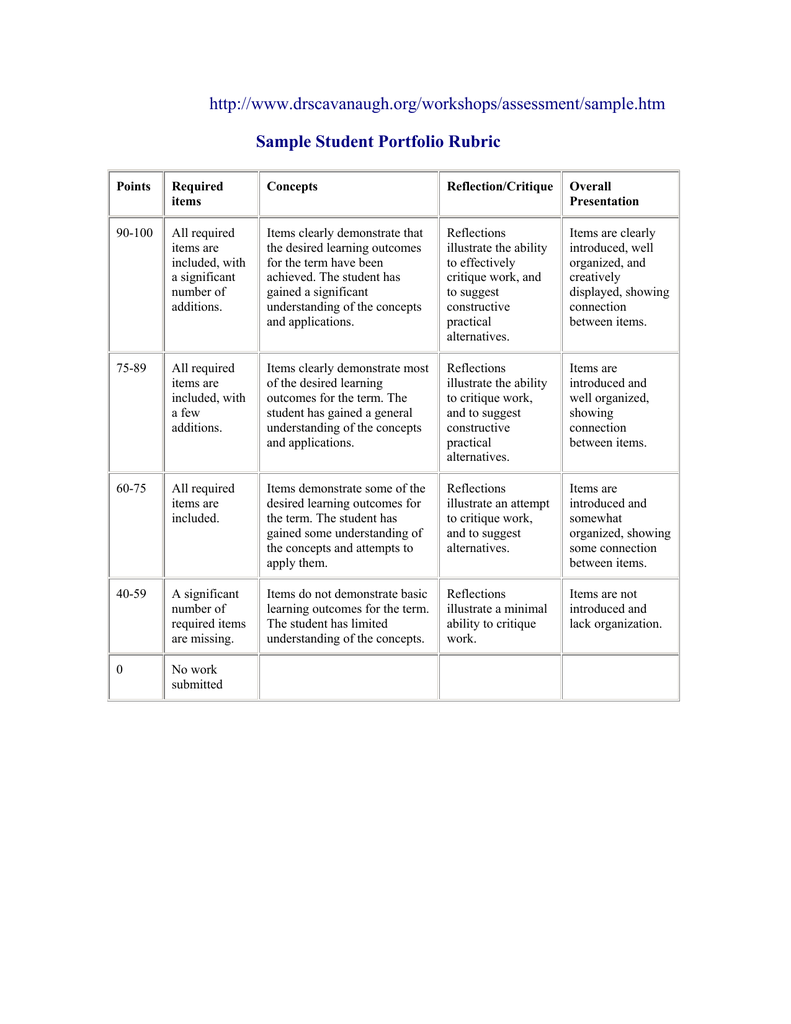
A rubric is a scoring guide that outlines specific criteria for evaluating student work. It provides clear expectations and standards, enabling both teachers and students to understand what constitutes high-quality performance. When it comes to portfolio assessment, rubrics serve several important purposes.
Firstly, rubrics provide structure and organization for the evaluation process. By breaking down complex tasks into smaller components or dimensions, they help teachers focus on specific areas of student performance. This not only facilitates efficient grading but also ensures comprehensive feedback by addressing different aspects of learning.
Rubrics also enhance transparency in assessment by clarifying expectations for students. When learners have a clear understanding of what is expected from them, they can better align their efforts with desired outcomes. Rubrics empower students to take ownership of their learning journey as they become aware of the strengths and weaknesses within each dimension.
Furthermore, using rubrics promotes objectivity in grading portfolios since they establish consistent standards across all assessments. By providing explicit descriptions at various levels of achievement (e.g., exemplary, proficient, developing), rubrics help eliminate subjective interpretations and reduce bias in evaluation.
Rubrics also facilitate effective communication between teachers and students during the feedback process. As educators assess portfolios against established criteria outlined in the rubric, they can offer specific comments on areas where improvement is needed or highlight exceptional achievements. This targeted feedback encourages students to reflect critically on their work while guiding them towards further development.
In addition to providing direction for individual assignments within a portfolio, utilizing rubrics supports formative assessment practices throughout the learning process itself. Teachers can share the criteria with students in advance, allowing learners to understand the expectations before beginning their work. This enables students to monitor their progress and make adjustments as necessary.
When designing rubrics for portfolio assessment, it’s essential to consider alignment with learning objectives and standards. The criteria should reflect the desired outcomes and skills being assessed, ensuring that evaluation is meaningful and relevant. Rubrics can be created collaboratively with students or developed by teachers based on curriculum standards.
In conclusion, using rubrics in portfolio assessment offers numerous benefits for both educators and students. They provide structure, transparency, objectivity, and effective feedback throughout the evaluation process. By clearly outlining expectations and criteria for success, rubrics empower learners to take ownership of their growth while supporting consistent grading practices. When implemented thoughtfully, rubrics enhance the overall effectiveness of portfolio assessment as a powerful tool for promoting student learning and achievement.
 Alternative Amie
Leave a comment