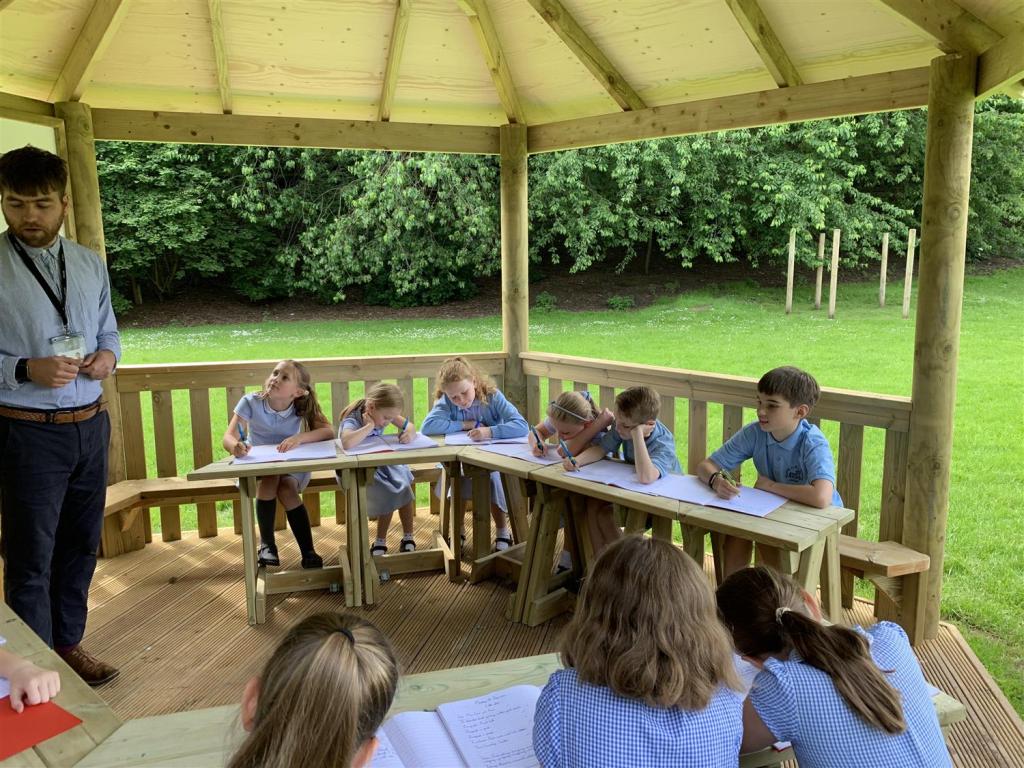
Forest Microschools: A Paradigm Shift in Alternative Education
Introduction:
In recent years, there has been a growing interest in alternative educational models that challenge traditional classroom settings. One such model gaining traction is the concept of forest microschools. These innovative learning environments combine the benefits of outdoor education with the personalized approach of microschooling. By blending nature and academics, forest microschools offer a unique and holistic approach to childhood education.
Understanding Forest Microschools:
A forest microschool is essentially a small-scale learning community that takes place primarily outdoors, typically situated within natural habitats like forests or woodlands. These schools embrace an experiential and child-centered pedagogy that emphasizes hands-on learning, exploration, and inquiry-based activities.
Unlike conventional classrooms, forest microschools prioritize unstructured playtime and allow students to freely interact with their environment. This approach fosters creativity, problem-solving skills, resilience, and adaptability – qualities often overlooked in traditional schooling systems.
Benefits of Forest Microschools:
1. Connection with Nature:
One of the most significant advantages of forest microschools is their focus on environmental awareness and appreciation for nature. Spending ample time outdoors allows children to develop a strong connection with the natural world from an early age. Studies have shown that exposure to green spaces enhances cognitive abilities, reduces stress levels, boosts creativity, and improves overall well-being.
2. Experiential Learning:
Forest microschools leverage hands-on experiences as valuable teaching tools. Through direct engagement with their surroundings – be it observing plants or animals up close or building structures using natural materials – children gain practical knowledge while simultaneously reinforcing academic concepts across various disciplines such as science, math, language arts, history, and social studies.
3. Personalized Approach:
Microschooling inherently promotes personalized learning by tailoring instruction to meet individual needs rather than adhering strictly to standardized curricula. In a forest microschool setting where class sizes are limited (typically ranging from 5 to 15 students), educators can provide more one-on-one attention and adapt teaching strategies to suit each child’s learning style, interests, and pace.
4. Social-Emotional Development:
Forest microschools offer a nurturing environment for social-emotional development. Collaborative activities such as team-building exercises, group projects, and cooperative play foster important skills like communication, empathy, teamwork, conflict resolution, and leadership. Moreover, the natural setting promotes mindfulness and emotional well-being by allowing children to connect with their inner selves.
5. Physical Health:
The physical benefits of forest microschools cannot be understated. Spending time outside encourages regular movement and exercise – crucial factors in combating sedentary lifestyles prevalent among today’s youth. Additionally, exposure to diverse terrains challenges fine motor skills and balance while enhancing overall coordination.
6. Environmental Stewardship:
Educating children about environmental conservation from an early age is essential for fostering a sustainable future. Forest microschools instill values of ecological responsibility by incorporating lessons on biodiversity preservation, waste reduction practices like recycling or composting, renewable energy sources, climate change awareness, and sustainable living habits.
Challenges & Considerations:
While forest microschools offer numerous advantages over traditional educational settings, it is crucial to acknowledge certain challenges that may arise within this unique model:
1. Weather Conditions: Adverse weather conditions can sometimes pose logistical challenges for outdoor schooling environments. However, with appropriate clothing and equipment provisions combined with adaptive lesson planning techniques that accommodate unforeseen circumstances or shifts in locations (e.g., moving under shelters during rainstorms), these hurdles can be overcome effectively.
2. Safety Concerns: Ensuring children’s safety in open spaces is of utmost importance for forest microschool administrators and educators alike. Robust risk management protocols should be established to address potential hazards such as poisonous plants or wildlife encounters while maintaining an environment that encourages exploration without excessive restriction.
3. Accessibility: The availability of forested areas and access to transportation can impact the feasibility of establishing forest microschools in certain regions. However, creative solutions like partnering with local parks, nature reserves, or utilizing vacant land within urban spaces can help overcome these limitations.
4. State Regulations: Adhering to state regulations for education is essential for any alternative schooling model. Forest microschools need to navigate legal frameworks governing curriculum standards, assessment procedures, teacher certifications, and health and safety guidelines while still maintaining their unique approach.
Conclusion:
Forest microschools are an exciting educational paradigm that combines the wonders of nature with personalized learning experiences. By immersing children in a holistic environment that celebrates curiosity, exploration, and environmental stewardship, these schools pave the way for a new era of education.
As we continue to redefine traditional notions of schooling in pursuit of more engaging and effective models for our children’s futures, forest microschools stand out as an inspiring option worth exploring further. Whether as standalone institutions or complementary programs within existing educational systems, these innovative learning environments offer immense potential for cultivating well-rounded individuals who are not only academically proficient but also deeply connected to their natural surroundings.
 Alternative Amie
Leave a comment