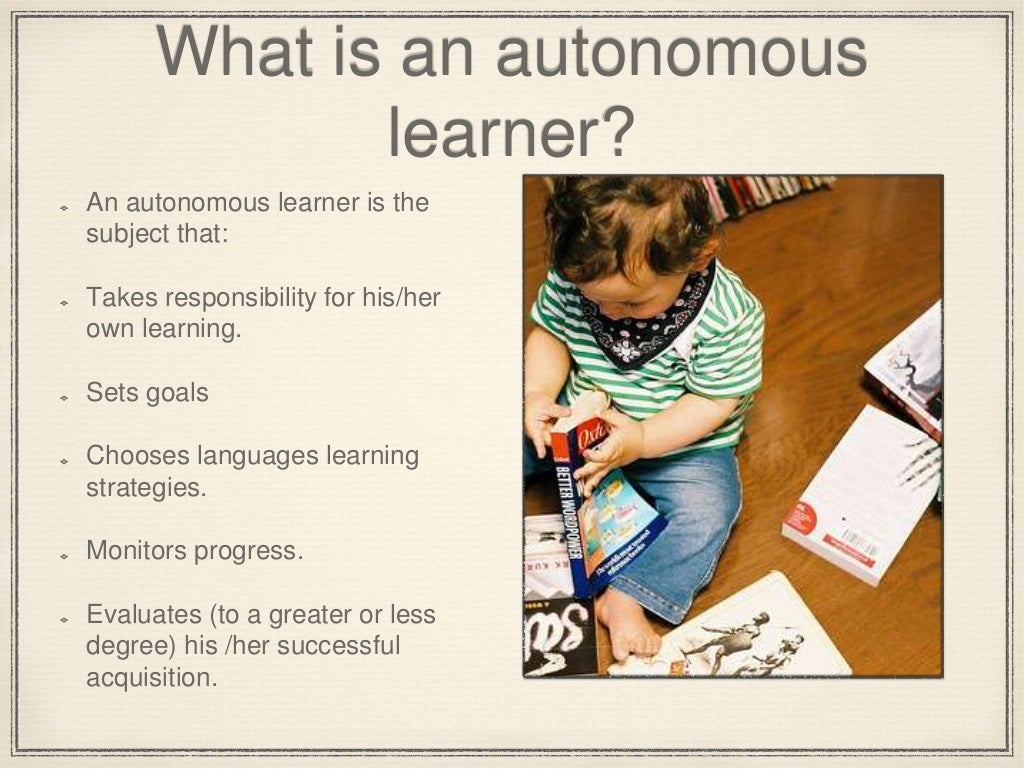
As the conventional education system continues to face criticism and scrutiny, alternative forms of learning have been gaining popularity. One such approach is autonomous education. Autonomous education focuses on empowering students to take control of their own learning journey, allowing them to explore their interests and develop a deep sense of self-motivation.
In an autonomous educational setting, students are encouraged to set their own goals and create personalized learning plans. This approach recognizes that each student has unique strengths, interests, and ways of processing information. By tailoring the curriculum to individual needs and preferences, autonomous education promotes a more meaningful and engaging learning experience.
Unlike traditional classrooms where teachers hold all the knowledge, in an autonomous environment teachers serve as facilitators or mentors who guide students in finding resources and developing critical thinking skills. Students are given space for independent exploration while also being encouraged to collaborate with peers through discussions or group projects.
One central aspect of autonomous education is fostering intrinsic motivation within students. Rather than relying on external rewards or punishments like grades or exams, this approach emphasizes self-assessment and reflection. By encouraging students to evaluate their progress based on personal growth rather than comparison with others, they become more motivated learners who are driven by curiosity rather than fear of failure.
Autonomous education also places great importance on real-world experiences outside the classroom walls. Field trips, internships, volunteering opportunities – these practical experiences allow students to apply what they have learned in a meaningful context while also expanding their horizons beyond textbooks.
Critics argue that autonomous education may lack structure or lead to gaps in knowledge acquisition; however, proponents believe that it nurtures vital lifelong skills such as critical thinking, problem-solving abilities, adaptability, creativity, and self-direction – qualities highly valued in today’s rapidly changing world.
In conclusion, autonomous education offers an alternative path for those seeking a more student-centered approach to learning. By empowering students with autonomy over their educational journey and emphasizing intrinsic motivation along with real-world experiences, this approach aims to foster a love for learning that goes beyond the classroom. While it may not be suitable for every individual or situation, autonomous education opens up possibilities for students to develop their unique talents and become lifelong learners capable of thriving in an ever-evolving society.
 Alternative Amie
Leave a comment