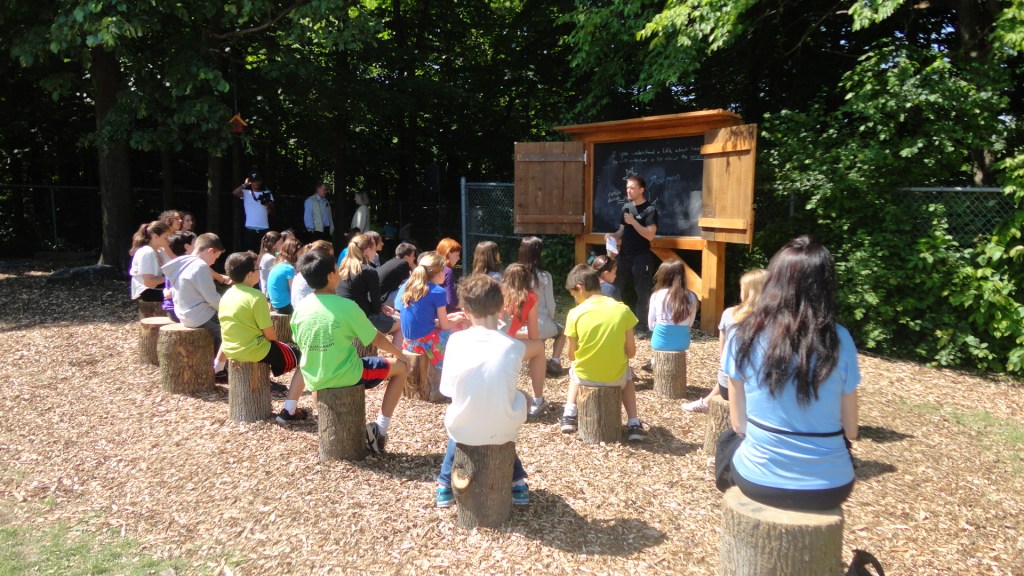
Incorporating Outdoor Education in College-Preparatory Homeschooling
Homeschooling provides a unique opportunity for students to tailor their education to their individual needs and interests. One area that can greatly enhance the college-preparatory homeschool experience is outdoor education. By incorporating outdoor activities into the curriculum, students not only gain valuable knowledge and skills but also develop a deeper appreciation for nature and the environment.
Why Outdoor Education?
Outdoor education offers numerous benefits for college-prep homeschoolers. Firstly, it provides hands-on learning experiences that allow students to apply what they have learned in textbooks to real-world situations. This practical application helps deepen understanding and retention of concepts.
Additionally, spending time outdoors promotes physical activity and mental well-being. Numerous studies have shown that being in nature reduces stress levels, improves cognitive function, and enhances creativity—qualities that are essential for academic success.
Lastly, outdoor education fosters an understanding of environmental issues and encourages sustainable practices. As future leaders, it is crucial for college-prep homeschoolers to be aware of global challenges such as climate change and biodiversity loss.
Here are some ideas on how to incorporate outdoor education into your college-prep homeschool curriculum:
1. Field Trips: Plan regular field trips to local parks, nature reserves, museums, botanical gardens, or wildlife sanctuaries. These outings provide opportunities for observation, exploration, and hands-on learning.
2. Nature Study: Dedicate specific days or weeks to focus on studying different aspects of nature such as plants, animals, ecosystems, or geology. Encourage your student to keep a journal where they can record observations and sketches during their outdoor explorations.
3. Citizen Science Projects: Engage in citizen science initiatives like bird counting programs or water quality monitoring projects offered by organizations like Audubon Society or National Geographic’s Explorer Program. Participating in these projects allows students to contribute data while gaining scientific knowledge.
4. Gardening: Start a small garden in your backyard or use containers if space is limited. Gardening provides opportunities to learn about plant life cycles, botany, and environmental stewardship. It also instills responsibility and patience.
5. Camping and Hiking: Plan camping trips or hiking expeditions as part of your homeschooling curriculum. These experiences offer opportunities for physical fitness, teamwork, problem-solving, and survival skills.
6. Environmental Projects: Engage in environmental projects such as cleaning up local parks or organizing recycling drives within your community. These projects teach students the importance of taking care of their environment while fostering leadership and organizational skills.
7. Outdoor Sports: Encourage participation in outdoor sports like soccer, basketball, swimming, or tennis. Not only do these activities promote physical health but they also foster teamwork, discipline, and perseverance.
8. Survival Skills Training: Learn essential survival skills like building shelters, starting fires without matches, navigation techniques using maps and compasses, knot tying methods, etc. Knowing these skills can be both practical and empowering for students.
Remember that incorporating outdoor education into your homeschooling curriculum doesn’t mean sacrificing academic rigor but rather enhancing it through real-world application. Be sure to align outdoor activities with specific learning goals to ensure a well-rounded college-prep education.
In conclusion,
Outdoor education is a valuable addition to any college-preparatory homeschooling curriculum as it provides hands-on learning experiences while promoting physical activity and mental well-being among students. By integrating outdoor activities into their studies, homeschooled students gain practical knowledge while developing an appreciation for nature and the environment—an important aspect of becoming responsible global citizens.
 Alternative Amie
Leave a comment