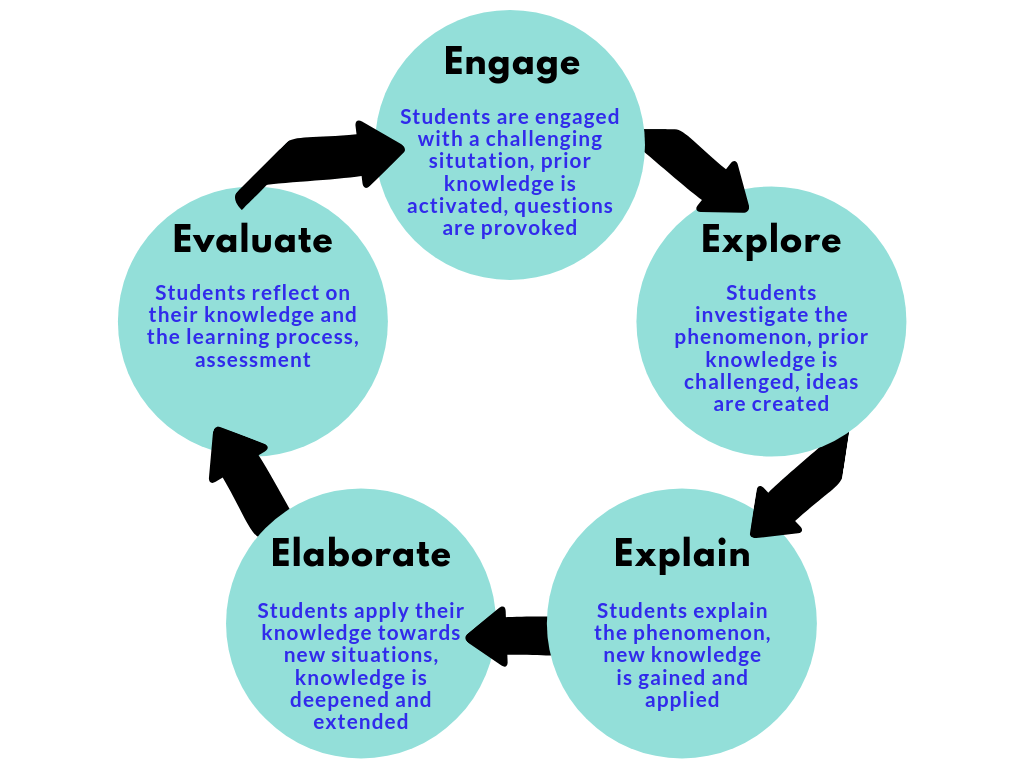
Inquiry-Based Learning: A Guide to Alternative Education
Introduction
Inquiry-based learning is an educational approach that emphasizes curiosity, critical thinking, and active engagement. It shifts the focus from rote memorization and passive absorption of information to a more student-centered approach where learners are encouraged to ask questions, explore topics of interest, and seek answers through investigation and discovery.
This method of learning has gained popularity in recent years as an alternative to traditional teaching methods. Its goal is not only to impart knowledge but also to develop students’ problem-solving skills, creativity, and ability to think independently.
How Does Inquiry-Based Learning Work?
1. Student-Led Investigations
Inquiry-based learning starts with a question or problem posed by the students themselves. Teachers facilitate this process by guiding their students through structured activities designed to help them formulate meaningful questions based on their interests or curiosity about a topic.
For example, instead of providing a lecture on the water cycle, an inquiry-based teacher might present students with real-world scenarios that spark their interest in understanding how water moves through different stages. Students would then be guided towards formulating their own questions about the topic.
2. Research and Exploration
Once students have identified their questions or problems, they embark on a journey of research and exploration. They gather information from various sources such as books, websites, interviews with experts or community members, experiments, field trips, or other hands-on experiences.
The role of the teacher during this phase is not simply delivering facts but rather acting as a facilitator who guides students towards reliable resources and helps them evaluate information critically.
3. Collaboration and Communication
Inquiry-based learning often involves collaborative work among students. Through discussions with peers or group projects, learners develop communication skills that enable them to articulate their thoughts clearly while actively listening to others’ perspectives.
Collaboration fosters teamwork and empathy while allowing for diverse viewpoints on complex issues – an essential skill for navigating today’s interconnected world.
4. Reflection and Evaluation
At the end of an inquiry-based project, students reflect on their learning experience and evaluate their progress. They consider whether they have addressed their initial questions or problems effectively, what new insights they have gained, and how this knowledge can be applied in real-life situations.
Teachers play a crucial role in guiding this reflection process by encouraging self-assessment and providing constructive feedback that helps students recognize their strengths and areas for improvement.
Benefits of Inquiry-Based Learning
1. Develops Critical Thinking Skills
Inquiry-based learning promotes critical thinking skills as students actively analyze information, make connections between ideas, evaluate evidence, and draw conclusions based on evidence rather than memorizing facts without understanding their context or relevance.
2. Fosters Curiosity and Motivation
By placing students at the center of the learning process, inquiry-based learning taps into their natural curiosity about the world around them. This approach encourages intrinsic motivation as learners pursue answers to questions that genuinely interest them.
3. Enhances Problem-Solving Abilities
Inquiry-based learning equips students with valuable problem-solving skills necessary for success in both academic settings and real-life situations. It encourages learners to identify challenges, develop hypotheses, test solutions through experimentation or research, revise strategies when needed, and persist until a satisfactory answer is found.
4. Encourages Lifelong Learning
With its emphasis on independent thinking, research skills, collaboration with others, and self-reflection, inquiry-based learning fosters a love for lifelong learning beyond formal education settings. Students become equipped with tools to continue seeking knowledge independently long after leaving school.
Challenges of Inquiry-Based Learning
While inquiry-based learning offers numerous benefits to students’ intellectual development and engagement in the classroom environment, it also presents some challenges that educators must address:
1. Time Management
Inquiry-based projects often require more time compared to traditional teaching methods due to the extended research period involved. Teachers need careful planning to incorporate inquiry-based projects into the curriculum effectively without compromising other essential learning objectives.
2. Assessing Learning Outcomes
Traditional assessment methods like standardized tests may not adequately measure the complex skills developed through inquiry-based learning. Educators must explore alternative evaluation techniques, such as portfolios, presentations, or rubrics that assess students’ ability to analyze information critically and communicate effectively.
3. Resistance to Change
Inquiry-based learning requires a shift in both teaching practices and classroom dynamics. Some educators may be resistant to change due to unfamiliarity with this approach or concerns about covering mandated content within limited time frames. Adequate support and professional development opportunities are crucial for facilitating this transition successfully.
Implementing Inquiry-Based Learning in Schools
1. Professional Development
Educators who wish to adopt an inquiry-based approach should receive professional development focused on pedagogical strategies for implementing this method effectively. This training can provide teachers with practical tools, resources, and guidance needed for successful implementation.
2. Curriculum Design
Inquiry-based learning is most effective when integrated into the overall curriculum rather than seen as an isolated activity or project. Educators should collaborate across subjects to create interdisciplinary units that allow students to explore topics from multiple angles.
3. Creating Supportive Classroom Environment
To foster inquiry-based learning effectively, classrooms need a supportive environment where students feel comfortable asking questions, taking risks, making mistakes, and engaging in critical discourse with peers and teachers. Teachers should promote open-mindedness, establish clear expectations for behavior and participation while encouraging creativity and independent thinking.
4. Parental Involvement
Parents play a vital role in supporting their children’s educational experiences at home by encouraging curiosity outside of school hours and providing resources or opportunities for exploration beyond what is offered in the classroom.
Conclusion
Inquiry-based learning offers an alternative approach to education that places student curiosity at its core while promoting critical thinking skills, problem-solving abilities, collaboration, communication skills – all essential for success in a rapidly changing world. By encouraging students to become active participants in their learning journey, inquiry-based learning empowers them to take ownership of their education and fosters a lifelong love of learning.
 Alternative Amie
Leave a comment