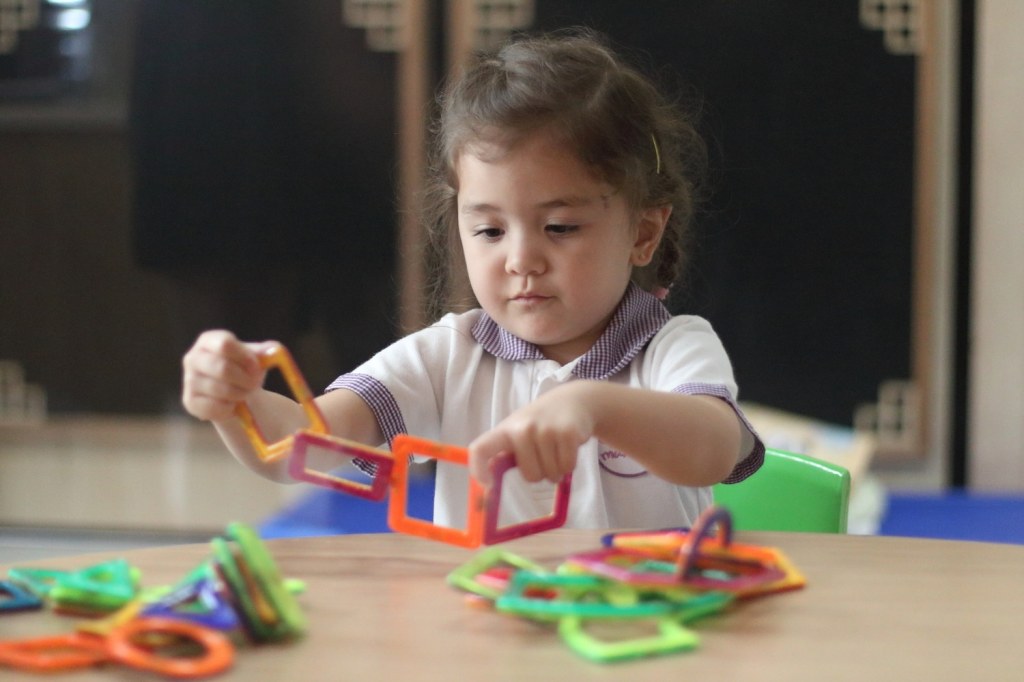
The Sudbury model of education is a unique and alternative approach to learning that places a strong emphasis on play and self-directed learning. In Sudbury model schools, play is seen as an essential component of a child’s development and education.
Play allows children to explore their interests, develop problem-solving skills, and engage in creative expression. It encourages curiosity, imagination, and the ability to think critically. In Sudbury schools, students are given the freedom to pursue their own interests through play, whether it be building with blocks, creating art, or engaging in imaginative play.
Conflict resolution and decision-making are also integral aspects of the Sudbury model. In these schools, students have the autonomy to make decisions about their own learning experiences and resolve conflicts among themselves. This fosters independence and teaches valuable life skills such as negotiation, compromise, and empathy.
Technology plays an important role in Sudbury model education by providing tools for research and exploration. Students have access to computers and other devices that allow them to delve deeper into subjects they are passionate about or seek answers to their questions.
Integrating arts and creativity is another key aspect of Sudbury model schools. Students are encouraged to express themselves through various artistic mediums such as painting, music, drama, or dance. The arts not only nurture creativity but also enhance cognitive abilities such as problem-solving and critical thinking.
Community involvement is highly valued within the Sudbury educational philosophy. Parents are actively involved in decision-making processes at school meetings where policies are discussed collectively with staff members. This collaboration between parents, staff members, students creates a sense of ownership over the educational environment while fostering a strong sense of community.
Addressing social justice issues is also an important focus within Sudbury model schools. These institutions strive to create an inclusive environment where diversity is celebrated and equity is promoted. Discussions around social justice topics help students understand different perspectives while developing empathy towards others.
Sudbury schools aim to support all students, including those with special needs. By providing a supportive and inclusive environment, students with special needs have the opportunity to thrive alongside their peers. Staff members and mentors play a vital role in ensuring that individualized support is provided to meet the unique needs of every student.
Assessing student progress and success within Sudbury schools is done without traditional grading systems. Instead, assessment focuses on self-reflection, portfolio-based evaluations, and discussions between students and staff members. This approach encourages critical thinking and self-awareness.
The long-term outcomes of graduates from Sudbury model schools are varied but often highlight skills such as self-motivation, independence, strong problem-solving abilities, adaptability to change, creativity, and confidence in decision-making.
Sudbury model schools also prioritize environmental awareness and sustainability practices. Students are encouraged to understand the impact they have on their surroundings while developing an appreciation for nature through outdoor activities or environmental initiatives.
While the Sudbury educational approach has its critics and challenges like any other system, it has inspired alternative models that adapt its philosophy for different contexts or age groups. These variations seek to incorporate elements of student autonomy while addressing specific educational goals or requirements.
Finally, mindfulness practices are often integrated into daily routines at Sudbury schools. These practices encourage students to be present in the moment while promoting emotional intelligence and social skills such as empathy, compassion, and self-awareness.
In conclusion, the Sudbury model of education offers a unique perspective on learning by emphasizing play-based learning experiences; fostering conflict resolution skills; integrating technology; encouraging arts and creativity; valuing community involvement; addressing social justice issues; supporting students with special needs; promoting self-directed learning; engaging parents actively; utilizing mentors/staff members effectively; assessing progress differently without traditional grading systems; promoting diversity/inclusivity/environmental awareness/sustainability/mindfulness practices within the school environment. While facing criticisms/challenges/exploring adaptations/alternative models/variations, Sudbury model schools aim to cultivate well-rounded individuals equipped with essential life skills and a passion for learning.
 Alternative Amie
Leave a comment