Personalized Learning Plans: Empowering Students to Take Ownership of Their Education
In today’s rapidly evolving educational landscape, a one-size-fits-all approach to teaching and learning is no longer sufficient. As educators strive to meet the diverse needs of their students, competency-based education (CBE) has emerged as a powerful framework that promotes personalized learning experiences and empowers students to take ownership of their education.
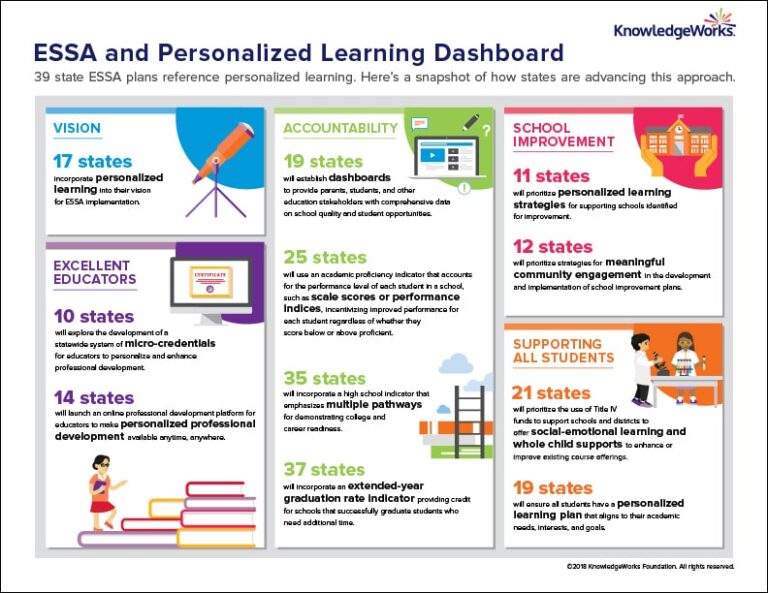
At the heart of CBE are personalized learning plans (PLPs), which provide students with individualized roadmaps for academic success. PLPs are designed collaboratively by teachers, students, and sometimes parents or guardians, taking into account each student’s unique strengths, interests, and goals. These plans serve as a roadmap for both short-term and long-term learning objectives.
Mastery-based assessment is another key component of CBE. Unlike traditional grading systems that focus on seat time or completion of assignments, mastery-based assessment assesses students based on their demonstrated understanding of specific competencies. Instead of receiving letter grades or percentages, students receive feedback on what they have mastered and what areas still require further development. This approach allows for targeted instruction and interventions tailored to each student’s needs.
Individualized pacing is closely tied to mastery-based assessment in CBE. Rather than progressing through content at a fixed pace dictated by a set curriculum timeline, students advance when they have demonstrated proficiency in the required competencies. This flexibility allows learners to spend more time on challenging concepts while moving quickly through material they have already mastered.
Competency-based grading systems further support personalized learning by providing transparent criteria for assessing student progress towards specific skills or knowledge areas. The use of rubrics helps ensure consistency in evaluating performance across different tasks or projects within a competency area.
Authentic assessments form an integral part of CBE because they allow students to apply their knowledge and skills in real-world contexts rather than simply regurgitating information learned in isolation. Through authentic assessments such as project-based learning, students engage in complex problem-solving, critical thinking, collaboration, and communication skills. These assessments provide a more accurate measure of students’ abilities to transfer their learning to real-world situations.
Project-based learning is particularly effective within the context of competency-based education. By engaging in long-term projects that require students to demonstrate mastery of multiple competencies, learners develop a deeper understanding of content while honing essential 21st-century skills. This approach fosters creativity, critical thinking, and self-direction as students take ownership of their learning journey.
Competency-based curriculum design ensures that instructional materials and resources are aligned with identified competencies. Rather than relying on textbooks or predetermined curricula, teachers have the flexibility to select or create materials that best support student learning needs. This customization allows for greater relevance and engagement for individual learners.
Competency mapping and alignment involve identifying the specific knowledge, skills, and dispositions necessary for success in each competency area. Educators collaborate to define clear expectations for what proficiency looks like at different stages along the learning continuum. This process helps ensure consistency across classrooms and grade levels while allowing room for personalization within broad parameters.
Self-directed learning is a core component of CBE as it empowers students to become active participants in their educational journey. Through self-directed learning opportunities such as choice boards, passion projects, or independent research assignments, learners develop agency and cultivate lifelong skills such as goal setting, time management, and self-reflection.
To effectively implement CBE practices in the classroom requires well-prepared educators who understand how to facilitate personalized learning experiences. Competency-based teacher training and professional development programs equip teachers with the necessary knowledge and skills to implement CBE effectively. These programs focus on instructional strategies that promote student-centered approaches while providing ongoing support through coaching or mentoring opportunities.
Integrating technology plays a vital role in supporting competency-based education by enhancing personalized instruction and expanding access to resources beyond traditional boundaries. Educational technology tools, such as adaptive learning platforms or online resources, can be used to deliver personalized content and track student progress. Additionally, technology enables collaboration and communication among students, teachers, and parents in a competency-based framework.
Social-emotional learning (SEL) is an essential component of CBE as it recognizes the importance of developing students’ social and emotional skills alongside academic competencies. Within a competency-based framework, educators intentionally foster SEL by creating a safe and supportive classroom environment where students feel valued, respected, and connected. This holistic approach to education ensures that students are equipped with the necessary skills to thrive academically and emotionally.
Differentiated instruction within a competency-based framework allows teachers to tailor their instruction to meet individual student needs while still addressing overall competency goals. By providing multiple pathways for learning through varied instructional strategies or materials, educators can ensure that all learners have opportunities for success regardless of their starting point.
Competency-based education is inclusive by design and offers unique benefits for students with special needs or disabilities. By focusing on mastery rather than seat time or grade level expectations, CBE provides flexibility for accommodating diverse learning styles or accommodations within individualized plans.
Equity and access are fundamental principles guiding the implementation of CBE practices. By recognizing each student’s unique strengths and needs through PLPs, ensuring transparent assessment criteria through competency-based grading systems, offering differentiated instruction within a competency-based framework, and leveraging technology tools for broader access to resources—CBE promotes equitable educational opportunities for all learners.
Community partnerships play a crucial role in fostering experiential learning opportunities that connect classroom learning with real-world settings. By collaborating with local organizations or experts in various fields relevant to specific competencies—students engage in authentic experiences that deepen their understanding while cultivating vital community connections.
Assessing higher-order thinking skills is an important aspect of CBE since it goes beyond rote memorization or basic comprehension levels. Through project-based assessments or open-ended tasks, students are challenged to apply critical thinking, problem-solving, analysis, and synthesis skills—skills necessary for success in the 21st-century workforce.
Implementing competency-based education at the elementary level allows students to develop a strong foundation of essential knowledge and skills while fostering a growth mindset towards learning. By starting early with personalized learning plans and mastery-based assessment practices, elementary schools set the stage for lifelong learners who take ownership of their education.
Transitioning from traditional to competency-based models requires careful planning and support. Schools or districts embarking on this journey may need to revise policies or practices that hinder personalized learning experiences. Additionally, professional development opportunities for educators can help ensure a smooth transition by building their understanding and capacity to implement CBE effectively.
Parent and family engagement is crucial in supporting student success within a competency-based framework. Collaborative partnerships between educators and families foster open communication channels, allow for shared decision-making regarding PLPs or individualized goals, and create a supportive network that promotes student achievement.
Culturally responsive teaching is an integral part of CBE as it acknowledges students’ cultural backgrounds, values diversity, and promotes inclusive classroom environments. By incorporating culturally relevant materials and instructional strategies that honor students’ lived experiences—educators create engaging learning experiences that resonate with all learners.
Supporting student agency and voice is paramount within competency-based classrooms. Students actively participate in setting goals, self-reflect on their progress towards competencies through regular check-ins or conferences with teachers—and have opportunities to provide input into curriculum choices or project selections. This active involvement empowers students as co-creators of their educational experience.
Formative assessment plays a vital role in CBE by providing timely feedback on student progress throughout the learning process. Teachers use formative assessments such as quizzes or observations to gauge where students are along the continuum of mastery—to inform instructional decisions tailored to individual needs.
Addressing challenges and misconceptions about competency-based approaches is crucial to ensure successful implementation. Some common concerns include the potential for students to fall behind, the need for clear standards and assessments, or the perception that CBE is too focused on skills at the expense of content knowledge. Educators must address these concerns through transparent communication and evidence-based practices.
Using data to inform instruction and personalize learning experiences is a key advantage of CBE. By collecting and analyzing data on student performance, teachers can identify areas of strength or weakness—adjust instruction accordingly—and provide targeted interventions when necessary.
Professional learning communities (PLCs) play a vital role in supporting educators implementing CBE practices. PLCs provide opportunities for collaboration, sharing best practices, reflecting on instructional strategies, and collectively problem-solving challenges encountered along the way.
Evaluating the effectiveness of CBE programs through research and evaluation studies is essential in providing evidence-based approaches to guide future implementation efforts. These studies help identify best practices, measure student outcomes, explore program impact on equity or access issues—and inform continuous improvement processes within competency-based education.
In conclusion, competency-based education offers an innovative approach to teaching and learning that fosters personalized experiences while empowering students to take ownership of their education journey. Through personalized learning plans (PLPs), mastery-based assessment, individualized pacing, authentic assessments like project-based learning—students engage in meaningful experiences that prepare them for success in an ever-changing world. As educators embrace this transformative framework and address associated challenges head-on—we create equitable educational opportunities where all learners thrive.
 Alternative Amie
Leave a comment