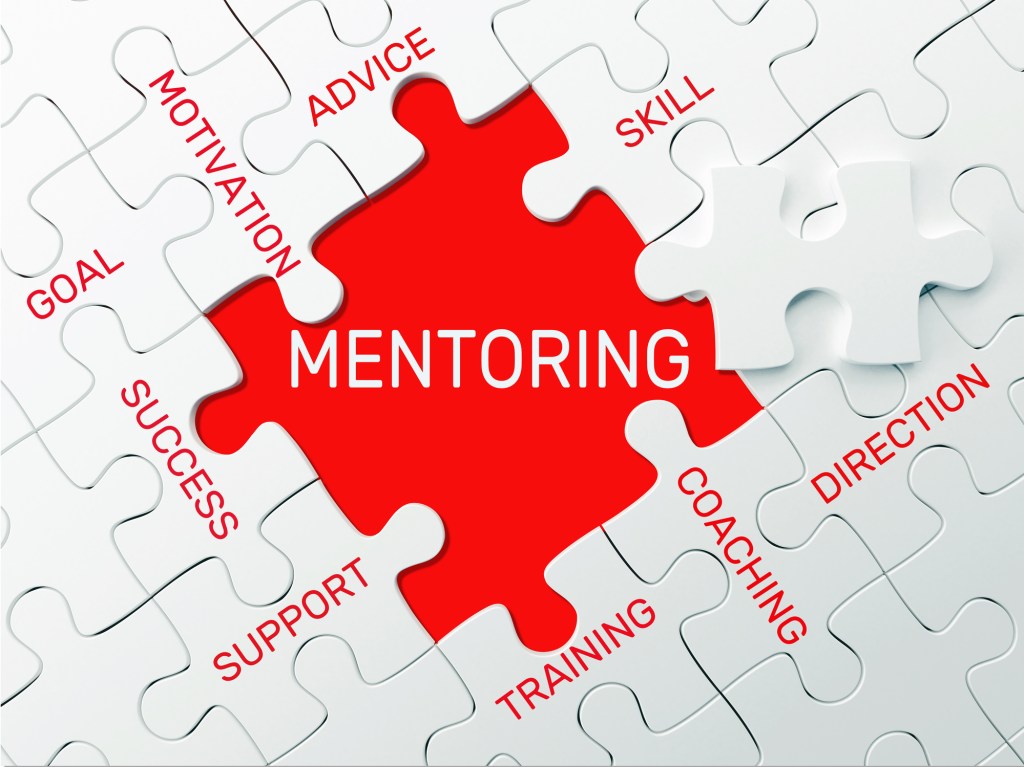
Apprenticeships have long been recognized as a valuable pathway to gaining practical skills and knowledge in various fields. Traditionally, apprenticeships were associated with specific trades such as carpentry or plumbing. However, the concept of apprenticeship has evolved over time to include a wide range of industries and disciplines. In recent years, there has been a growing emphasis on innovative mentorship programs that aim to provide guidance and support to individuals seeking hands-on learning experiences.
One type of mentorship program that is gaining popularity is cross-age mentoring. This approach brings together individuals from different age groups, allowing them to share their knowledge and experiences with one another. Cross-age mentoring can be particularly beneficial for younger mentees who can learn from the wisdom and expertise of their older mentors. Likewise, older mentors can gain fresh perspectives and insights from their younger mentees.
Technology-driven mentorship initiatives are also making an impact in the realm of apprenticeships. With advancements in communication technology, it has become easier than ever for mentors and mentees to connect virtually. Online platforms and apps enable individuals from across the globe to find suitable mentors based on their interests and goals. Technology-driven mentorships offer flexibility in terms of time commitment and location, making it accessible for those who may not have access to traditional face-to-face mentoring opportunities.
Cultural exchange mentorships provide a unique opportunity for individuals to learn about different cultures while building professional skills. These programs often involve pairing participants from diverse backgrounds together so they can learn from each other’s cultural nuances, customs, and practices while working towards common goals. Cultural exchange mentorships help foster empathy, understanding, and appreciation for diversity among participants.
Community-based mentorships focus on engaging local communities in supporting aspiring professionals within their own neighborhoods or regions. These programs bring together community members who possess relevant expertise or experience with those seeking guidance in specific fields or industries locally available but may lack resources or networks required for career advancement opportunities otherwise found elsewhere. This approach strengthens community bonds and ensures that knowledge and skill-sharing happens within local contexts.
Peer-to-peer tutoring programs are another effective form of mentorship, especially in educational settings. These initiatives involve pairing students who excel in a particular subject with those who may be struggling. By allowing students to teach and learn from their peers, peer-to-peer tutoring fosters a sense of collaboration, boosts confidence, and enhances academic performance.
Online platforms for finding mentors have revolutionized the accessibility of mentorship opportunities. These platforms allow individuals to connect with mentors based on specific criteria such as industry expertise, career goals, or personal interests. They provide a convenient way for mentees to access guidance from experienced professionals who may not be readily available through traditional means.
Mentoring programs focused on environmental sustainability hold great significance in today’s world where climate change poses significant challenges. These initiatives pair individuals interested in pursuing careers related to sustainability with established professionals working in the field. Through these mentorships, mentees can gain practical knowledge about sustainable practices while also contributing towards creating a more eco-conscious society.
Gender-specific mentoring initiatives aim to address gender disparities by providing targeted support and guidance to individuals belonging to underrepresented genders. Such programs empower mentees by offering them role models they can identify with, helping them navigate obstacles specific to their gender identity or expression while building skills necessary for success.
Mentoring programs that promote diversity and inclusion play an essential role in creating equitable opportunities for all individuals regardless of their race, ethnicity, religion, sexual orientation or any other characteristic that makes them unique. These initiatives recognize the importance of diverse perspectives and voices in shaping industries and communities positively.
Mindfulness-based mentoring approaches incorporate mindfulness practices into mentorship relationships as a means of promoting emotional well-being and self-awareness among participants. By incorporating mindfulness exercises into their interactions, mentors help mentees develop resilience, manage stress effectively, improve focus and enhance overall mental health.
Mentoring programs that foster civic engagement encourage individuals to actively participate in their communities and make a positive impact. These initiatives pair mentors who have experience in community involvement with mentees who are passionate about making a difference. By guiding mentees through community projects or advocacy work, these mentorships cultivate responsible citizenship and social responsibility.
Lastly, mentorships designed to support the mental health and well-being of students are gaining recognition for their crucial role in creating supportive learning environments. These programs provide emotional support, guidance, and resources to students facing mental health challenges or struggling with personal issues that may hinder their academic progress. By prioritizing the holistic development of students, these mentorship initiatives contribute towards nurturing resilient individuals who can thrive academically and personally.
In conclusion, apprenticeships have evolved beyond traditional trade-oriented models to encompass a diverse range of mentorship programs aimed at providing valuable hands-on experiences. Cross-age mentoring programs, technology-driven initiatives, cultural exchange mentorships, community-based approaches, peer-to-peer tutoring programs, online platforms for finding mentors – all offer unique benefits and opportunities for growth. Additionally, there is increasing recognition of the need for gender-specific mentoring initiatives as well as those promoting diversity and inclusion. Mindfulness-based approaches foster emotional well-being while civic engagement-focused programs empower participants to actively contribute to their communities. Lastly, mentoring programs supporting mental health prioritize student well-being alongside academic success.
Alternative Schooling and Education website aims to promote awareness about these innovative forms of apprenticeship across various fields by highlighting successful case studies where such initiatives have made significant impacts on individuals’ personal growth and professional development
 Alternative Amie
Leave a comment