Dyslexia: Embracing Differences and Unlocking Potential
In a world that often values conformity and standardized measures of success, it can be challenging for individuals who think differently to find their place. Dyslexia, a learning difference that affects reading, writing, spelling, and sometimes even speech, is one such condition that can make traditional education systems seem daunting for those affected. However, with the right support and understanding, dyslexic individuals can thrive academically and creatively while making unique contributions to society.
It is estimated that around 10% of the population worldwide has dyslexia. This neurological condition is not related to intelligence or motivation; rather, it stems from how the brain processes language. While people with dyslexia may struggle with specific aspects of reading or writing due to difficulties in recognizing letter sounds or decoding words accurately, they often possess exceptional strengths in other areas.
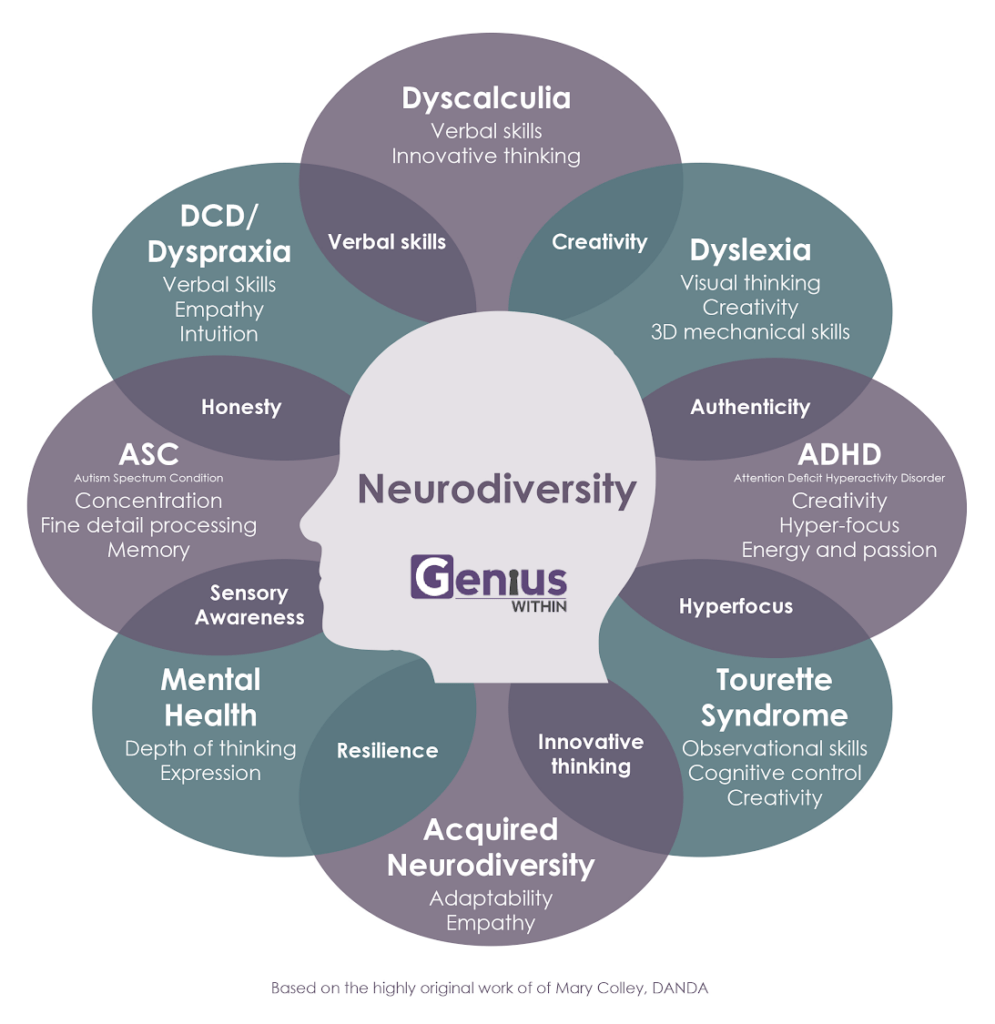
One common misconception about dyslexia is that it solely impacts literacy skills. However, many individuals with dyslexia also exhibit strong visual-spatial abilities and creative thinking skills. They may excel in fields such as art, design, engineering, architecture, music composition, or strategic problem-solving – areas where thinking outside the box is highly valued.
Moreover, research suggests that people with dyslexia often possess enhanced emotional intelligence (EQ). They tend to be empathetic listeners and intuitive thinkers who excel at understanding others’ perspectives. These qualities make them natural leaders who can bring diverse groups together by fostering collaboration and inclusivity.
While mainstream educational institutions have been slow to adapt their teaching methods to accommodate different learning styles effectively, alternative schooling approaches have emerged as beacons of hope for students with dyslexia. These schools prioritize individualized instruction tailored to each student’s needs instead of adhering rigidly to one-size-fits-all curriculum standards.
Montessori education offers an example of an alternative approach beneficial for children with dyslexia. Montessori classrooms are designed to foster independent learning and exploration, focusing on hands-on materials and multi-sensory experiences. This method allows dyslexic students to engage with subjects in a way that aligns with their unique learning style, promoting both academic growth and self-confidence.
Similarly, Waldorf education emphasizes creativity, imagination, and artistic expression. By incorporating art, music, movement, and storytelling into the curriculum at every stage of development, this approach recognizes the importance of holistic learning for all students. For children with dyslexia, who may struggle with traditional literacy-based instruction methods, the arts provide alternative avenues for expressing ideas and grasping concepts.
Another promising alternative is the Orton-Gillingham (OG) approach. This structured language-based teaching technique focuses on integrating visual, auditory, kinesthetic-tactile (VAKT), and motor skill practice during reading instruction. By explicitly teaching phonemic awareness – recognizing individual sounds within words –and using multisensory techniques to develop decoding skills systematically over time through repetition and reinforcement exercises tailored to each student’s needs.
In addition to these specialized approaches offered by alternative schools or programs outside mainstream education systems, there are numerous strategies parents can employ at home to support their child’s journey with dyslexia. Creating a nurturing environment free from judgment or pressure is crucial; allowing children to embrace their strengths while providing targeted interventions for areas where they may need extra assistance can make a world of difference.
Encouraging a love for literature by making audio books accessible can help cultivate an appreciation for stories without the frustration of struggling through printed text independently. Additionally, utilizing assistive technology such as speech-to-text software or electronic spell-checkers enables individuals with dyslexia to focus more on conveying ideas rather than getting caught up in spelling errors or handwriting difficulties.
It is essential not only to recognize and celebrate the achievements of those living with dyslexia but also to promote understanding among peers and society at large. Educating others about dyslexia can help dispel misconceptions and foster empathy, creating a more inclusive environment where individuals with dyslexia feel valued for their unique perspectives and contributions.
Ultimately, dyslexia should be seen not as a limitation but as an opportunity to embrace differences and unlock hidden potential. By reimagining education to accommodate diverse learning styles, we can create a world that celebrates neurodiversity, empowering every individual to reach their full potential.

 Alternative Amie
Leave a comment