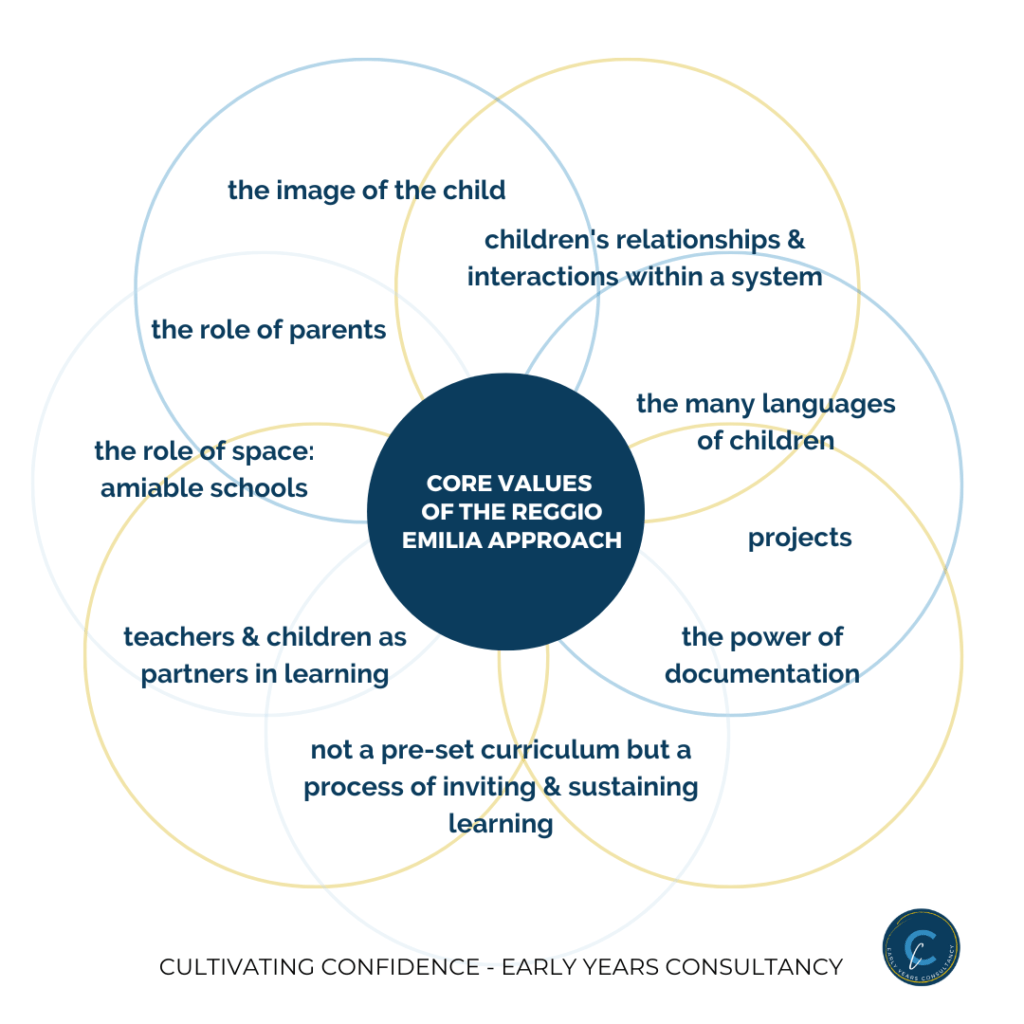
The Reggio Emilia approach, a philosophy of education that originated in the town of Reggio Emilia, Italy, has gained widespread recognition and admiration for its unique and child-centered approach to learning. This approach emphasizes the importance of children’s innate curiosity and creativity, fostering their natural desire to explore the world around them.
At the core of the Reggio Emilia approach is the belief that children are capable learners who should be active participants in their own education. Rather than following a strict curriculum or predetermined set of lessons, teachers act as facilitators and collaborators alongside students. They observe children closely to identify their interests and then design activities and projects based on these interests.
One key aspect of this approach is the use of documentation as a tool for both assessment and communication. Teachers carefully document each child’s learning journey through photographs, videos, written observations, and samples of artwork or other creations. These records serve not only as evidence of progress but also as a means to involve parents in their child’s educational experience. By sharing this documentation with parents regularly, educators create an ongoing dialogue about each child’s growth and development.
Reggio Emilia classrooms are designed to inspire curiosity and collaboration. Spaces are open and inviting, filled with natural materials such as wood, plants, rocks, shells – all chosen purposefully to stimulate exploration. The environment acts as a third teacher alongside adults and peers.
Another fundamental principle is the emphasis on relationships between children themselves, between teachers and children, between teachers themselves – all seen as crucial components in creating an effective learning community. Collaboration among peers fosters social skills such as negotiation, problem-solving abilities while promoting empathy.
Overall, the Reggio Emilia approach recognizes that every child is unique with his or her own strengths and interests. It prioritizes holistic development by valuing artistry along with academics; encouraging critical thinking along with collaboration; nurturing emotional intelligence alongside cognitive skills.
Alternative Schooling
 Alternative Amie
Leave a comment