Introduction
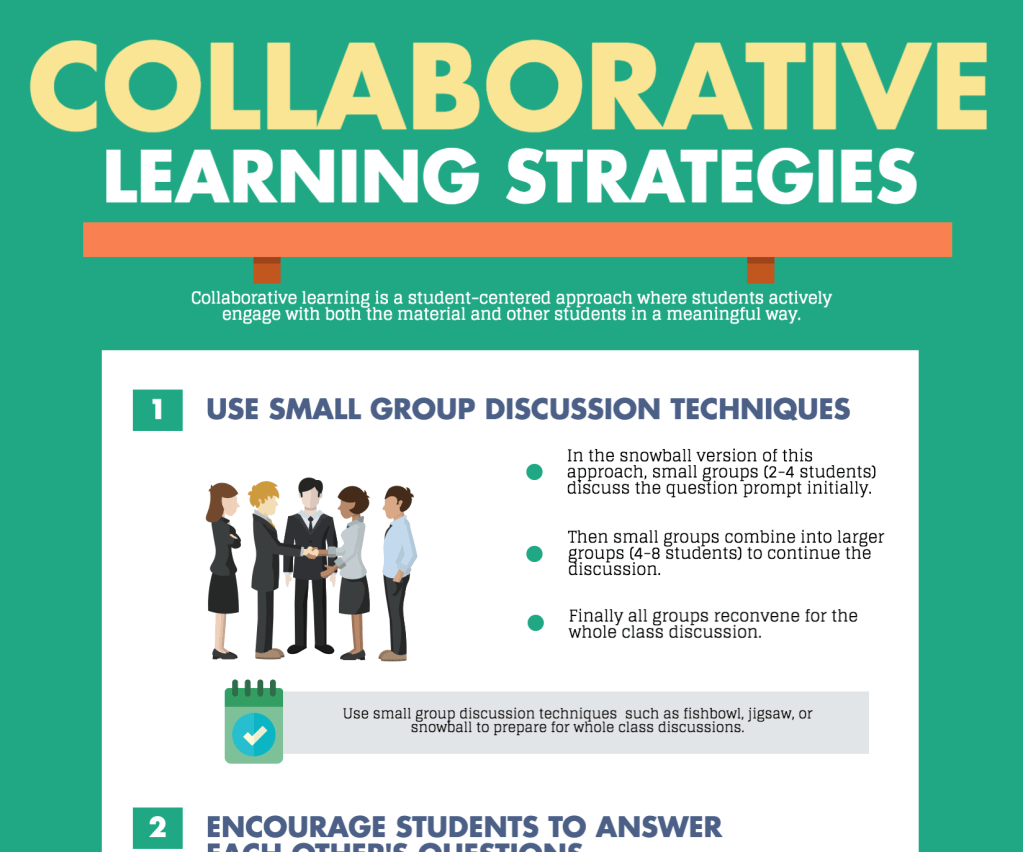
Collaborative learning is an educational approach that emphasizes the importance of students working together in groups to achieve common goals. This method encourages active participation, critical thinking, problem-solving skills, and effective communication. Collaborative learning is a departure from traditional teaching methods that focus on individualized instruction and passive learning.
In this panel discussion-style post, we will explore the benefits of collaborative learning, its implementation in alternative schooling and education models, and how it prepares students for success in the real world.
Panelists:
1. Dr. Sarah Thompson – Education Psychologist
2. John Davis – Alternative School Teacher
3. Lisa Patel – Parent Advocate for Collaborative Learning
4. Emily Johnson – Former Student of Collaborative Learning
Moderator: Thank you all for joining us today to discuss collaborative learning and its impact on alternative schooling and education models.
Benefits of Collaborative Learning
Moderator: Let’s start with Dr. Thompson. What are some key benefits of collaborative learning?
Dr. Thompson: Collaborative learning offers numerous advantages for students’ cognitive development and academic growth. Firstly, it promotes active engagement rather than passive listening or rote memorization of information as seen in traditional classrooms.
It also enhances critical thinking skills by encouraging students to analyze problems from different perspectives and develop solutions collectively through discussions or group projects.
Furthermore, collaborative learning fosters social skills such as effective communication, teamwork, empathy, negotiation skills – all vital attributes needed to succeed professionally or personally later in life.
Implementation in Alternative Schooling Models
Moderator: John Davis teaches at an alternative school where collaborative learning is central to their philosophy. John, can you tell us more about how your school implements this approach?
John Davis: At our alternative school, we believe that every student has unique strengths that can be enhanced through collaboration with peers who have complementary abilities or interests.
We encourage open dialogue where everyone’s voice is valued equally; hence, teachers act as facilitators rather than authoritative figures. This approach creates a safe and inclusive environment where students feel comfortable expressing their opinions, asking questions, and challenging ideas.
Additionally, we incorporate project-based learning that encourages students to work together on real-world problems. This not only deepens their understanding of the subject matter but also prepares them for future challenges beyond the classroom.
Parental Perspectives
Moderator: Lisa Patel, you have been advocating for collaborative learning in education for years. Could you share your perspective as a parent?
Lisa Patel: Absolutely! As a parent, I’ve seen firsthand how collaborative learning has positively impacted my children’s educational journey.
Collaborative learning taps into the innate curiosity of children and instills a love for learning. It fosters independence, as they learn to take responsibility for their own progress while appreciating the value of teamwork.
Furthermore, it helps develop essential life skills such as problem-solving, empathy, active listening – all crucial in navigating relationships and careers successfully.
Real-World Applications
Moderator: Emily Johnson is here with us today; she was a student who experienced collaborative learning firsthand. Emily, could you tell us about your experience transitioning from collaborative learning to real-world applications?
Emily Johnson: Collaborative learning provided me with an invaluable foundation when it came to applying my knowledge outside the classroom.
In college and later in my career, I found myself constantly working within teams or groups towards common goals. The ability to collaborate effectively became crucial in achieving success both academically and professionally.
Moreover, through collaboration during school years, I developed strong communication skills that helped build meaningful relationships with colleagues and clients alike.
Challenges and Solutions
Moderator: While there are clear benefits to collaborative learning approaches like these in alternative schooling models; what challenges do educators face when implementing this method? Dr. Thompson?
Dr. Thompson: One challenge is ensuring equitable participation among students within groups. Some may be more dominant while others may be reluctant to speak up. Teachers need to create a supportive environment where all voices are heard and valued.
Another challenge is managing conflicts that may arise during group work. It’s important for educators to teach conflict resolution skills and provide guidance when necessary.
Additionally, assessment methods can pose a challenge as it becomes essential to differentiate between individual contributions and the overall success of the group project. Educators need to find creative ways to evaluate each student’s performance accurately.
Future Implications
Moderator: Let’s conclude by discussing the implications of collaborative learning for the future of education. Dr. Thompson, what do you foresee?
Dr. Thompson: I believe collaborative learning will continue to gain prominence in education systems worldwide due to its relevance in preparing students for future challenges.
With technological advancements enabling remote collaboration, we anticipate an increase in virtual collaborative learning platforms, extending opportunities beyond physical classrooms and enhancing global connectivity.
Moreover, as industries increasingly emphasize teamwork and innovation, graduates with strong collaborative skills will be better equipped to succeed in their chosen fields.
Closing Remarks
Moderator: Thank you all for your valuable insights on collaborative learning and its impact on alternative schooling and education models. It is clear that this approach offers significant benefits in developing critical thinking abilities, social skills, and real-world applications among students while fostering a love for lifelong learning.
As alternative schooling models continue to evolve, it is essential that we embrace innovative approaches like collaborative learning that empower students with the necessary tools for success both inside and outside the classroom.
 Alternative Amie
Leave a comment