Curriculum Integration: Enhancing Learning through Connections
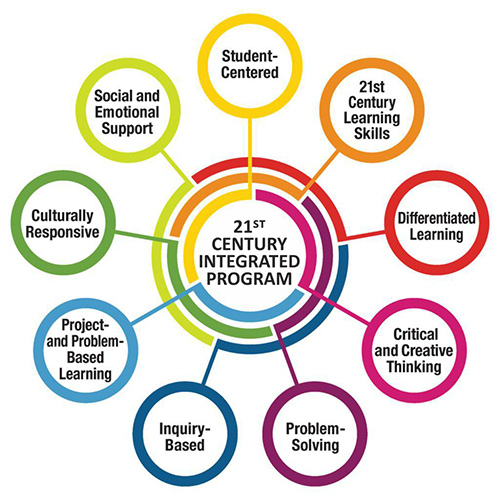
As educators strive to create meaningful and engaging learning experiences for students, curriculum integration has emerged as a powerful approach. By connecting different subject areas and weaving them together within a cohesive framework, this educational strategy aims to foster deeper understanding, critical thinking skills, and real-world application of knowledge.
What is Curriculum Integration?
Curriculum integration involves intentionally combining two or more subjects or disciplines in order to explore common themes, concepts, or issues. This holistic approach encourages students to make connections across different disciplines and see the interrelatedness of knowledge. Rather than teaching subjects in isolation, curriculum integration promotes interdisciplinary learning that mirrors the complexities of real-life situations.
Benefits of Curriculum Integration
1. Promotes deeper understanding: By integrating multiple subjects, students are encouraged to explore topics from various perspectives. This helps them develop a more comprehensive understanding of concepts while also fostering critical thinking skills.
For example, instead of studying the American Revolution solely in history class, an integrated approach may involve examining its social impact in sociology class or analyzing its economic implications in economics class. This multidimensional exploration allows students to gain a broader perspective on historical events and their far-reaching consequences.
2. Increases student engagement: Integrating diverse subjects can spark curiosity and engagement among students by making their learning experiences more relevant and meaningful. When they see practical applications for what they are learning across multiple disciplines, they become motivated to delve deeper into the subject matter.
For instance, incorporating literature into science lessons can help students understand scientific concepts through storytelling or by examining ethical dilemmas presented in novels related to scientific advancements. Such connections not only enhance comprehension but also cultivate a passion for learning.
3. Encourages transferable skills development: In today’s rapidly evolving world where adaptability is key, curriculum integration equips students with valuable transferable skills such as problem-solving abilities and effective communication across domains.
By intertwining math with art activities like origami or geometric patterns, students not only deepen their understanding of mathematical concepts but also enhance their spatial reasoning and creativity. These skills can be transferred to other areas of life, enabling students to approach challenges from multiple angles.
4. Reflects real-world contexts: Curriculum integration mirrors the interconnectedness of knowledge in real-life situations. By bringing together different subject areas, students gain a deeper appreciation for how various fields interact and influence each other.
For instance, exploring environmental issues through an integrated curriculum may involve studying scientific aspects such as climate change, analyzing social implications like environmental justice, and considering economic factors related to sustainable development. This comprehensive examination helps students understand complex global challenges and prepares them to tackle them effectively.
Strategies for Implementing Curriculum Integration
1. Identify common themes or concepts: Begin by identifying shared themes or concepts across subjects that can be explored in an integrated manner. For example, if both science and history classes are covering the concept of revolutions during a particular period in history, educators can plan activities that connect the two disciplines.
2. Collaborate with colleagues: Effective curriculum integration often requires collaboration among teachers from different subject areas. Work together to identify opportunities for connecting lessons and design interdisciplinary projects that address shared learning goals.
3. Design authentic assessments: Assessments should reflect the multidisciplinary nature of integrated learning experiences. Encourage students to demonstrate their understanding using diverse formats such as presentations, group projects, or multimedia creations.
4. Embrace flexibility: Curriculum integration requires flexibility in terms of scheduling and lesson planning since it involves coordinating multiple subjects simultaneously. Create a supportive environment where adjustments can be made based on student needs and emerging connections between subjects.
Challenges and Considerations
While curriculum integration offers numerous benefits, it is important to consider potential challenges:
1. Time constraints: Integrating multiple subjects into cohesive units may require more time than traditional teaching methods due to additional coordination among teachers and planning involved.
2. Teacher expertise: Educators may need to expand their knowledge beyond their subject area expertise to effectively integrate different disciplines. Professional development opportunities and collaboration with colleagues can help overcome this challenge.
3. Curriculum alignment: Ensuring that integrated units align with curriculum standards across subjects is crucial. Collaborate with colleagues and refer to curriculum guidelines when designing integrated lessons.
Conclusion
Curriculum integration provides a powerful framework for enhancing learning experiences by connecting different subject areas in meaningful ways. By promoting deeper understanding, increasing student engagement, fostering transferable skills development, and reflecting real-world contexts, this approach prepares students to navigate the complexities of an interconnected world. While challenges exist, the benefits far outweigh them, making curriculum integration an effective strategy for alternative schooling and education.
 Alternative Amie
Leave a comment