Synchronous vs Asynchronous Learning: A Comparative Study
Introduction:
In recent years, the landscape of education has undergone a significant transformation with the rise of alternative schooling and education methods. One aspect that has gained prominence is the debate between synchronous and asynchronous learning. While both approaches have their merits, it is essential to understand their differences, benefits, and limitations in order to make informed decisions about which method best suits individual students’ needs.
Defining Synchronous and Asynchronous Learning:
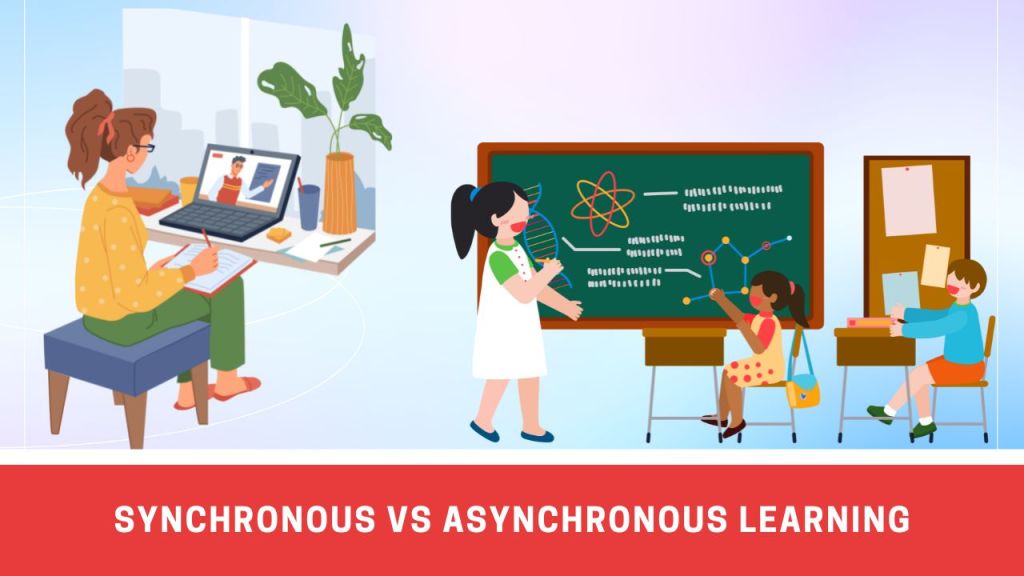
Synchronous learning refers to real-time interactions between instructors and learners. This approach requires all participants to be present simultaneously, whether physically or virtually, at scheduled times for lectures, discussions, or group activities. On the other hand, asynchronous learning provides flexibility by allowing students to access course materials and complete assignments at their own pace without requiring simultaneous participation.
Benefits of Synchronous Learning:
1. Real-Time Interaction: One of the primary advantages of synchronous learning is immediate feedback from instructors during live lectures or discussions. Learners can ask questions directly and seek clarification on complex topics in real-time.
2. Collaboration Opportunities: Synchronous learning fosters collaborative environments where students can engage with peers through group projects or brainstorming sessions. Such interactions enhance teamwork skills while encouraging socialization among classmates.
3. Accountability and Structure: Fixed schedules help establish routines for learners who thrive on regularity and need external discipline to stay motivated. The sense of accountability that comes with attending live sessions promotes better time management skills.
4. Simulates Traditional Classroom Experience: For those who prefer a more traditional educational setting but cannot attend physical classes due to various constraints (geographical location, work commitments), synchronous learning offers a similar experience by facilitating face-to-face interactions online.
5. Immediate Access to Resources: During synchronous sessions, instructors can provide immediate access to additional resources such as websites links or videos that complement the topic being discussed—allowing students to explore further during class hours itself.
Limitations of Synchronous Learning:
1. Limited Flexibility: Synchronous learning requires students to adhere to fixed schedules, sometimes conflicting with their other commitments or time zones. For individuals who struggle with strict timetables, this approach may cause stress and hinder their learning experience.
2. Technical Challenges: Reliable internet connectivity and access to necessary technology are crucial for seamless participation in synchronous sessions. Technical glitches, such as audio or video problems, can disrupt the learning process and lead to frustration for both instructors and learners.
3. Unequal Participation Opportunities: In larger synchronous classes, it may be challenging for all students to actively participate due to limited time available for individual contributions during live interactions. This could result in a few dominant voices overshadowing others’ perspectives.
Benefits of Asynchronous Learning:
1. Flexibility in Time Management: Asynchronous learning allows students to access course materials at any time that suits them best, accommodating various personal obligations such as work schedules or family responsibilities.
2. Self-Paced Learning: Learners have the freedom to progress through the content at their own speed, spending more time on complex topics while quickly navigating through familiar material. This personalized approach supports different learning styles and promotes better comprehension.
3. Global Accessibility: Asynchronously delivered courses break down geographical barriers by enabling individuals from diverse locations worldwide to participate without constraints related to time zone differences or physical distance.
4. Enhanced Reflective Thinking: The absence of real-time pressure in asynchronous environments provides an opportunity for deeper reflection before responding or contributing ideas during discussions—leading to more thoughtful insights shared among participants.
5. Increased Retention Rates: Research suggests that asynchronous learning often results in higher retention rates compared to traditional classroom settings due to students having control over reviewing course content multiple times at their convenience.
Limitations of Asynchronous Learning:
1. Reduced Interactivity: Asynchronous learning lacks immediate feedback from instructors, which can delay clarification on doubts or misconceptions until later stages when responses are provided. This may hinder the learning process for students who thrive on real-time interaction.
2. Potential Isolation: The absence of regular face-to-face interactions and discussions can lead to a sense of isolation among learners, especially those who prefer social engagement or benefit from peer support in their educational journey.
3. Self-Discipline and Motivation: Asynchronous learning requires strong self-discipline and motivation as learners must manage their time effectively without external accountability structures. Procrastination or lack of focus could impede progress if not managed well.
Conclusion:
The debate between synchronous and asynchronous learning methods continues to shape the future of alternative schooling and education. Both approaches offer unique benefits while presenting certain limitations that need to be considered when making educational decisions.
Synchronous learning provides immediate feedback, collaboration opportunities, accountability, structure, and simulates traditional classrooms but lacks flexibility and may pose technical challenges. On the other hand, asynchronous learning offers flexible time management options, personalized pacing, global accessibility, enhanced reflective thinking, increased retention rates but reduced interactivity potential isolation challenges.
Ultimately, choosing between synchronous or asynchronous learning depends on factors such as individual preferences, availability constraints due to work or personal commitments, technological infrastructure accessibilities or restrictions in place. A blended approach combining elements from both methods might present an optimal solution by leveraging the benefits while addressing limitations associated with each approach—ensuring a holistic educational experience for all learners in alternative schooling settings.
 Alternative Amie
Leave a comment