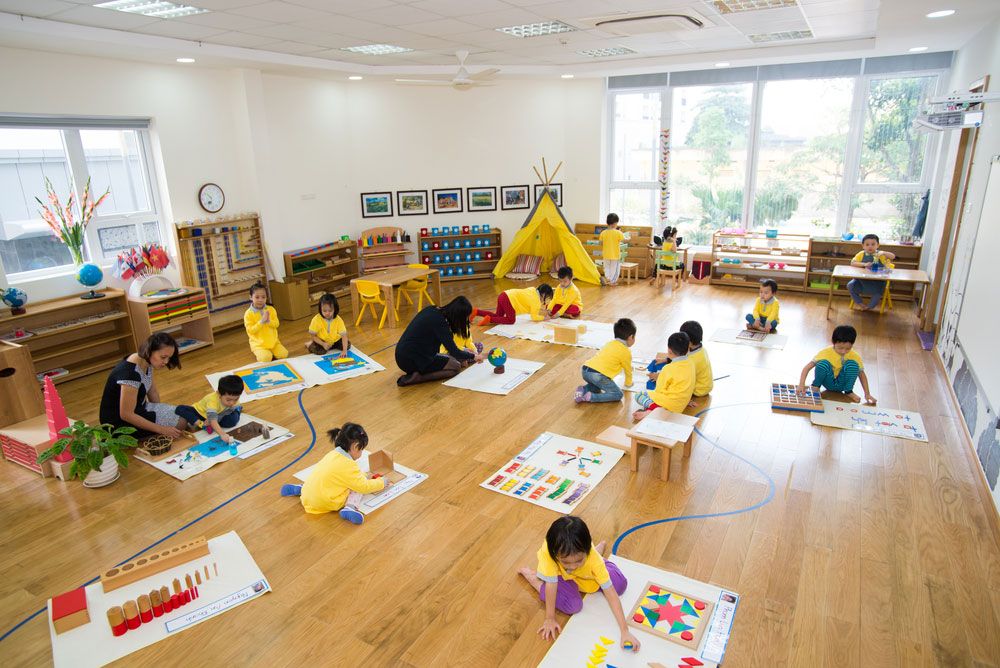
The Montessori method, developed by Dr. Maria Montessori in the early 20th century, has gained popularity worldwide for its holistic approach to education. While traditionally associated with urban settings, the Montessori method has proven to be adaptable and effective in a wide range of geographical locations.
In urban settings, Montessori schools offer a unique educational experience that fosters independence, self-discipline, and social interaction among children. Despite limited space and resources, these schools create carefully designed environments that promote active learning and exploration. Urban Montessori schools often incorporate community gardens or outdoor play spaces to provide opportunities for nature-based education within the cityscape.
On the other hand, in rural communities, Montessori schools embrace the natural surroundings as an essential part of their curriculum. With ample outdoor spaces available, these schools prioritize connecting children with nature through hands-on experiences. Rural Montessori schools may have expansive gardens or farms where students learn about sustainable practices and develop a deep appreciation for the environment.
Implementing the Montessori method in diverse geographic regions requires adaptation to local cultures and topography. Schools located near coastal areas can incorporate marine life into their curriculum by organizing field trips to explore tide pools or inviting experts to teach about marine biology. Similarly, mountainous regions offer opportunities for hiking expeditions or studying geological formations as part of geography lessons.
Desert climates present unique challenges but also open doors for creative learning experiences. Desert-themed sensory activities engage children’s senses while teaching them about desert flora and fauna adaptations. Water conservation becomes an important lesson in such regions too.
Forests provide endless possibilities for learning in sustainability-focused Montessori schools. These institutions can implement sustainable practices like composting organic waste from school lunches or using fallen leaves as mulch in garden beds.
Montessori education also has significant potential when working with indigenous communities. By integrating traditional knowledge into the curriculum and respecting cultural heritage, these schools empower indigenous children to celebrate their identity while receiving a quality education.
In all geographical locations, incorporating local culture into the Montessori curriculum creates meaningful learning experiences. Students can learn about traditional crafts, songs, dances, and language as part of their cultural exchange programs. This not only enhances their understanding of diversity but also fosters respect for different cultures.
Climate change poses challenges to Montessori schools worldwide. Rising temperatures or extreme weather events may limit outdoor activities or require adaptations in the curriculum. It becomes crucial for schools to incorporate climate change education and inspire students to become advocates for environmental sustainability.
Ultimately, Montessori schools have the flexibility to adapt their methodologies based on geography and local resources. Whether it’s through community gardens in urban areas or marine life exploration near oceans, the Montessori approach continues to provide an enriching educational experience regardless of location. By embracing and celebrating the uniqueness of each geographic region, Montessori education can truly thrive and make a positive impact on children’s lives across the world.
 Alternative Amie
Leave a comment