Weather patterns and forecasting techniques play a crucial role in our daily lives, affecting everything from what we wear to how we plan our outdoor activities. However, these patterns can vary greatly depending on the climate of a particular region. In this post, we will explore some of the different climates around the world and how weather patterns are understood and forecasted.
From the scorching deserts of Africa to the icy tundras of Antarctica, Earth is home to a wide range of climates. Each climate has its own unique set of weather patterns that are influenced by factors such as temperature, humidity, wind speed, and air pressure. Understanding these patterns requires collecting data from various sources including satellites, weather stations, buoys in oceans, and even citizen scientists.
In regions with more extreme climates like deserts or arctic areas, forecasting techniques become particularly challenging due to their unpredictable nature. For instance, desert regions experience rapid changes in temperature between day and night because sand does not retain heat well. This makes it difficult for meteorologists to accurately predict sudden drops or rises in temperature.
On the other hand, regions with more moderate climates often have more predictable weather patterns. These areas usually have four distinct seasons – spring, summer, autumn (fall), and winter – each characterized by different temperatures and precipitation levels. Forecasting techniques rely on historical data analysis as well as computer models that simulate atmospheric conditions based on current information.
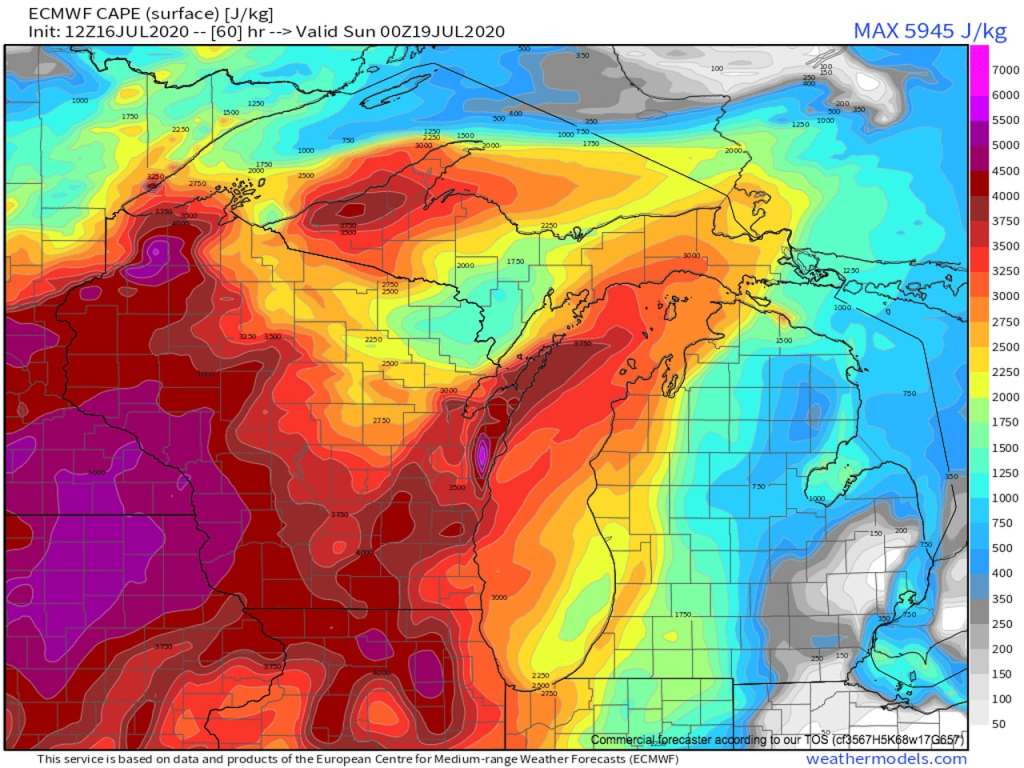
One common technique used for forecasting is numerical weather prediction (NWP). NWP involves using mathematical equations to simulate atmospheric processes such as temperature fluctuations or wind movements. By inputting current conditions into these equations along with historical data trends, meteorologists can make predictions about future weather patterns.
Another important tool used in understanding weather patterns is radar technology. Radar systems work by emitting radio waves that bounce off precipitation particles in the atmosphere. By analyzing the returned signals from these particles’ reflections via radar screens at observation centers or through weather apps, meteorologists can detect the location, intensity, and movement of rain or snowfall.
While weather patterns directly impact our daily lives, they also have far-reaching effects on nearby communities. For example, regions prone to hurricanes need accurate forecasts to alert residents and allow time for evacuation. Farmers rely on weather predictions to determine when to plant crops or harvest produce. Additionally, industries such as tourism heavily depend on accurate weather forecasts to plan events and accommodate visitors.
In conclusion, understanding and accurately predicting weather patterns is essential for both personal planning and societal well-being. Different climates around the world present varying challenges in forecasting techniques due to their unique characteristics. By utilizing tools like numerical weather prediction models and radar technology, meteorologists are able to provide valuable information that impacts not only individuals but also entire communities reliant on accurate forecasts for a range of activities.
 Alternative Amie
Leave a comment