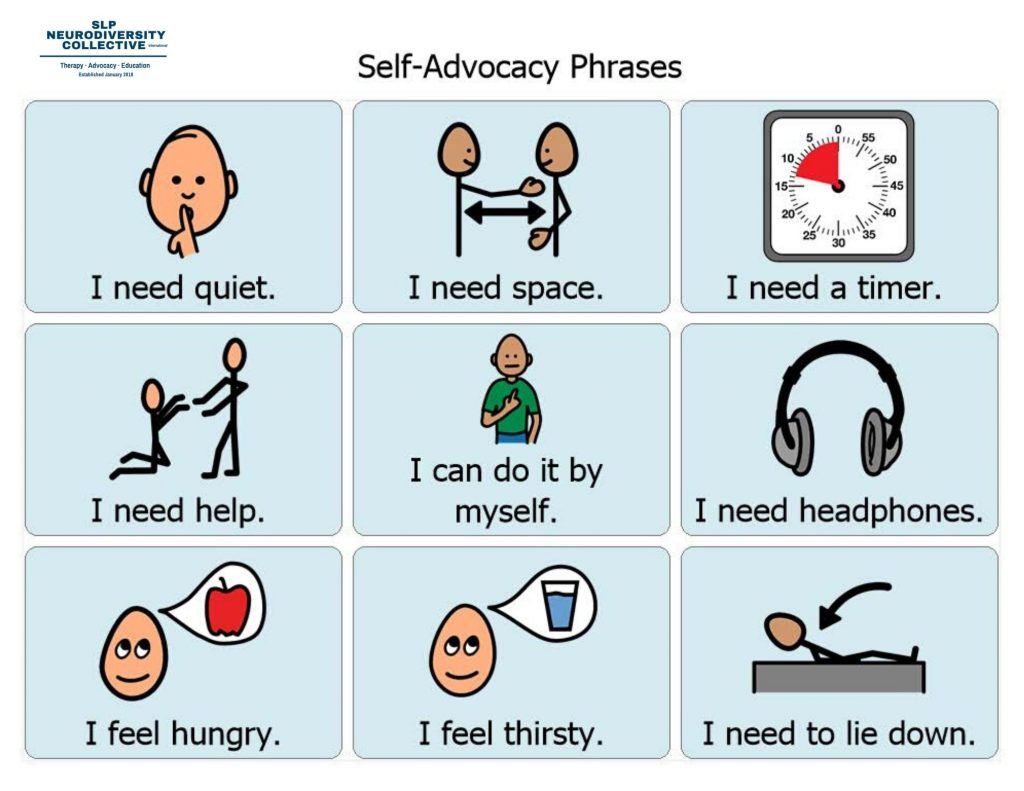
Self-Advocacy for Neurodiverse Individuals: Empowering Voices and Ensuring Success
Introduction:
In today’s society, it is crucial to empower individuals of all backgrounds and abilities to advocate for themselves. This is particularly true for neurodiverse individuals, who may have unique learning styles or neurological differences such as autism, ADHD, dyslexia, or other conditions.
Self-advocacy is the ability to speak up for oneself, express needs and preferences, assert rights, and seek support when necessary. For neurodiverse individuals, self-advocacy plays a transformative role in education by fostering independence, building self-confidence, improving communication skills, promoting inclusion in academic settings and workplaces alike.
Understanding Neurodiversity:
Before delving into the importance of self-advocacy specifically tailored for neurodiverse students or learners in alternative schooling environments let’s briefly explore what neurodiversity means. Neurodiversity refers to the idea that neurological differences should be recognized as normal variations within the human population rather than pathologies that need to be fixed or cured.
Neurodivergent individuals have unique strengths and perspectives that can contribute significantly to society if given appropriate support and accommodations. It is essential to create an inclusive environment where their voices are heard without judgment.
Challenges Faced by Neurodiverse Individuals:
Neurodiverse individuals often face various challenges in traditional educational settings due to different sensory experiences or difficulties with social interactions. These challenges can impede their learning progress while also negatively impacting their mental health and overall well-being.
Some common struggles faced by neurodiverse students include:
1. Communication barriers: Difficulties expressing ideas verbally or nonverbally may hinder effective communication with peers and teachers.
2. Sensory sensitivities: Noise sensitivity or aversion towards bright lights may make it challenging for neurodivergent learners to focus on tasks.
3. Executive function difficulties: Issues with organization, time management, and planning can affect academic performance.
4. Social interactions: Neurodiverse individuals may struggle to understand social cues or engage in typical social interactions, leading to feelings of isolation and exclusion.
5. Advocacy gaps: Due to a lack of awareness or support, neurodiverse students might not receive the necessary accommodations or modifications they require for optimal learning.
Why Self-Advocacy Matters:
Self-advocacy skills are instrumental in bridging these gaps and empowering neurodiverse individuals. By developing self-advocacy abilities, learners become active participants in their education journey rather than passive recipients.
1. Building self-confidence: Through self-advocacy, neurodiverse individuals gain confidence as they learn to express themselves effectively while embracing their unique strengths and challenges.
2. Enhancing communication skills: Self-advocacy fosters improved communication by teaching strategies for articulating needs clearly, collaborating with peers and teachers, and seeking assistance when required.
3. Ensuring accommodation access: By advocating for themselves, neurodivergent students can ensure that appropriate accommodations are provided to meet their individual needs effectively.
4. Promoting independence: Self-advocacy enables learners to take ownership of their educational experience by actively participating in decision-making processes regarding academic goals and support systems.
5. Fostering inclusion: When neurodiverse individuals advocate for themselves, it raises awareness among educators and peers about the diverse range of perspectives present within alternative schooling environments.
Strategies for Developing Self-Advocacy Skills:
To empower neurodivergent learners through self-advocacy, educators and parents alike should employ various strategies tailored specifically to individual strengths and requirements.
1. Education on rights and accommodations:
– Provide information about legal rights such as the Individuals with Disabilities Education Act (IDEA) or Section 504 of the Rehabilitation Act that protect the rights of students with disabilities.
– Educate students about available accommodations and modifications, ensuring they understand how to access and utilize them effectively.
2. Self-awareness and self-acceptance:
– Encourage individuals to develop a positive self-image by focusing on their strengths rather than limitations.
– Help learners recognize their specific learning styles, sensory preferences, or other factors that influence their educational experience.
3. Communication skills training:
– Teach effective communication strategies such as using “I-statements” to express needs or concerns without sounding accusatory.
– Role-play scenarios where learners practice initiating conversations with teachers or peers to build confidence in advocating for themselves.
4. Goal-setting and planning:
– Guide neurodiverse individuals in setting realistic short-term and long-term goals while breaking them down into manageable steps.
– Assist in developing personalized study plans or schedules that accommodate individual needs, helping learners stay organized and focused.
5. Peer support networks:
– Facilitate connections between neurodiverse individuals who can share experiences, insights, and coping strategies through support groups or mentoring programs.
Conclusion:
Self-advocacy is an essential skill set for neurodiverse individuals navigating alternative schooling environments. By empowering these learners to advocate for themselves effectively, we create inclusive spaces where everyone’s unique abilities are appreciated and accommodated.
Through self-confidence building, improved communication skills, access to necessary accommodations, enhanced independence, and fostering inclusion within academic settings, self-advocacy enables neurodivergent students to thrive academically while embracing their neurological differences as valuable contributions to society at large.

 Alternative Amie
Leave a comment