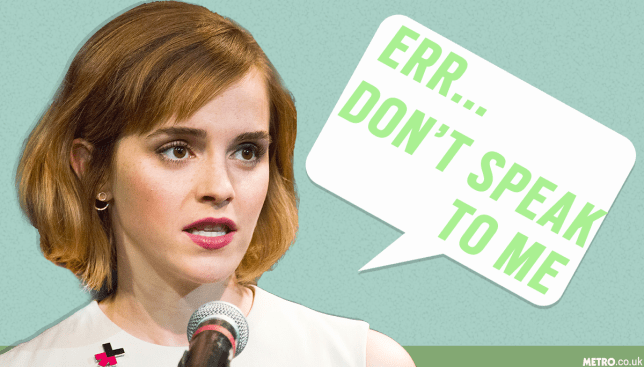
Emma Watson: An Advocate for Alternative Schooling and Education
In recent years, actress Emma Watson has become more than just a beloved figure in the world of entertainment. She has emerged as a vocal advocate for alternative schooling and education, using her platform to promote inclusive and diverse learning environments. In this exclusive interview, we delve into Emma’s personal experiences with education and how it has shaped her views on alternative schooling.
Q: Emma, thank you for taking the time to speak with us today. Can you share what sparked your interest in advocating for alternative schooling?
A: Of course! Growing up, I attended both mainstream schools and alternative educational institutions like Stagecoach Theatre Arts. These experiences allowed me to witness firsthand the transformative power of non-traditional approaches to learning. It opened my eyes to the fact that there is no one-size-fits-all solution when it comes to education.
Q: How have these experiences influenced your thoughts on traditional academic systems?
A: Mainstream schools often prioritize standardized testing and conformity over individuality and creativity. While some students thrive in this environment, others may feel stifled or left behind. It was important for me to acknowledge that there are different ways of acquiring knowledge beyond conventional classroom settings.
Q: What are some examples of alternative schooling methods that you find particularly inspiring?
A: One approach that stands out is Montessori education, which encourages self-directed learning through hands-on activities at an individual pace. This empowers children by giving them agency over their own education while fostering independent thinking skills. Additionally, Waldorf schools emphasize holistic development by incorporating artistic expression alongside academic subjects.
Q: How do you believe these alternative methods benefit students who might not fit into traditional models?
A: Alternative school systems provide flexibility and adaptability that cater to different learning styles and interests. They foster a sense of belonging among students who may have felt marginalized or misunderstood within mainstream classrooms. By nurturing individual strengths rather than focusing solely on weaknesses, alternative education encourages students to embrace their uniqueness.
Q: How can we work towards creating a more inclusive and diverse educational landscape?
A: It’s crucial that we challenge the notion of a one-size-fits-all education system. This requires investing in teacher training programs that expose educators to various alternative methods and philosophies. It also means advocating for equal access to alternative schools, ensuring they are not exclusive or financially out of reach for marginalized communities.
Q: Lastly, what advice would you give to parents who may be considering alternative schooling options for their children?
A: I believe it’s essential to listen to your child and understand their needs and interests. Explore different approaches that align with their individuality. Don’t be afraid to think outside the box when it comes to education – there is no right or wrong path. The most important thing is fostering a love for learning while nurturing your child’s unique potential.
Emma Watson’s passion for promoting alternative schooling methods serves as an inspiration for all those seeking innovative ways of educating future generations. By embracing diversity and inclusivity within our educational systems, we can create environments where every student can thrive and reach their full potential.
 Alternative Amie
Leave a comment