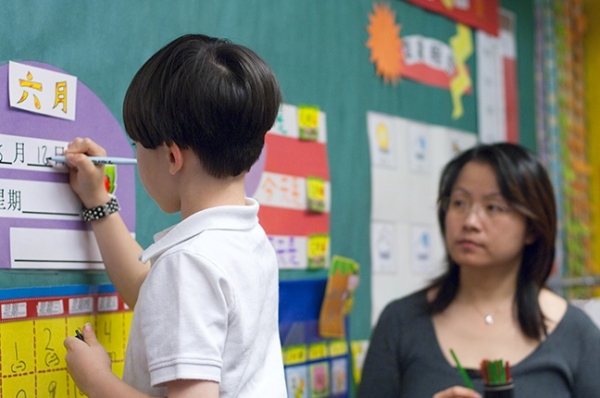
Language immersion programs have gained popularity as a way to provide students with an immersive and authentic language learning experience. These programs go beyond traditional language classes by creating an environment where the target language is used for instruction, communication, and daily activities. In this post, we will explore various aspects of language immersion education, focusing specifically on Mandarin immersion programs.
One important aspect of language immersion is its cultural component. Language and culture are deeply intertwined, and immersing students in the Mandarin language also exposes them to Chinese customs, traditions, and ways of life. Cultural activities such as celebrations, festivals, and food tastings can help students develop a deeper appreciation for the Mandarin-speaking world.
Another interesting application of language immersion is its use for heritage speakers. Heritage speakers are individuals who have some proficiency or exposure to a particular language due to their family background but may not be fully fluent or literate in that language. Immersion programs designed for heritage speakers can help them reconnect with their linguistic roots while improving their skills in reading, writing, speaking, and listening.
Language immersion education has been shown to promote bilingualism among students. By being consistently exposed to both English (or their native language) and Mandarin throughout their school day, learners become proficient in both languages over time. Bilingualism not only enhances cognitive abilities but also opens doors to future career opportunities and fosters cross-cultural understanding.
However beneficial it may be, there are challenges associated with implementing successful language immersion programs. One challenge is finding qualified teachers who are not only fluent in Mandarin but also trained in second-language acquisition pedagogy. Professional development opportunities for these teachers should focus on effective instructional strategies specific to immersive settings.
Parental involvement plays a crucial role in supporting children’s progress in a language immersion program. Parents can participate by reinforcing Mandarin at home through fun activities like reading books together or watching Chinese movies/shows as a family. Additionally, parent-teacher partnerships can contribute significantly to the overall success of language immersion education.
Technology integration is another key consideration in language immersion classrooms. Digital tools and resources can enhance language learning experiences, providing interactive activities, multimedia content, and online communication platforms for students to practice their Mandarin skills beyond the classroom walls.
Assessment and evaluation methods in language immersion programs need to align with program goals and objectives. Traditional assessments such as tests and quizzes can be supplemented with performance-based tasks that assess students’ ability to use Mandarin authentically in real-life situations.
To ensure quality instruction, ongoing professional development opportunities should be provided for teachers involved in language immersion education. These workshops or training sessions should focus on instructional best practices, cultural competence, curriculum design, and assessment strategies tailored specifically for immersive settings.
Creating a supportive environment for language learners is crucial for their motivation and progress. Immersion schools can establish designated spaces where authentic Chinese materials are displayed, including books, posters, artwork, maps, and cultural artifacts. This visually rich environment helps create an atmosphere that encourages curiosity about the Mandarin-speaking world.
Strategies to enhance vocabulary acquisition play a vital role in Mandarin immersion classrooms. Teachers can incorporate vocabulary games such as charades or memory matching games into their lesson plans to make learning new words more engaging for students.
Art and music can also be integrated into the language immersion curriculum as effective tools for promoting linguistic skills while fostering creativity. Students can learn traditional Chinese songs or participate in art projects inspired by famous Chinese artists or calligraphy techniques.
Intercultural competence is an essential outcome of language immersion programs. By being exposed to different cultures through authentic interactions with native speakers or cultural exchange programs with partner schools abroad, students develop a deeper understanding of global perspectives and respect for diversity.
Language exchange programs provide opportunities for immersive learning outside of the classroom setting. Students can engage in conversations with fluent Mandarin speakers through virtual exchanges or even participate in short-term study abroad experiences where they live with host families who predominantly speak Mandarin.
Play-based learning is an effective approach in language immersion education, especially for younger students. Through games, role-plays, storytelling, and hands-on activities, children can naturally acquire Mandarin while having fun and developing their language skills in a stress-free environment.
Supporting students with special needs is crucial in inclusive language immersion programs. Teachers need to be equipped with strategies and resources to address the unique learning needs of these students while ensuring that they fully benefit from the immersive experience.
Community partnerships and resources are valuable assets for language immersion schools. Collaborating with local Chinese organizations or community members can provide opportunities for cultural events, guest speakers, field trips to cultural landmarks or restaurants, and access to authentic Mandarin materials.
Research studies have shown that language immersion has a positive impact on academic achievement across various subjects. Students who participate in Mandarin immersion programs often perform as well as or better than their peers in non-immersion programs on standardized tests not only in languages but also in math, science, and social studies.
Transitioning from an immersive program to mainstream education can be challenging for some students. Schools should ensure a smooth transition by providing support services such as transitional classes or tutoring sessions during this period of adjustment.
Parent perspectives on the benefits of language immersion are overwhelmingly positive. Many parents appreciate the long-term advantages it provides their children—increased cognitive flexibility, enhanced problem-solving skills, improved memory retention—and believe it sets them up for success in an interconnected global world.
In conclusion, Mandarin immersion programs offer numerous benefits beyond traditional language instruction. Through cultural exposure, bilingualism promotion, technology integration,
and community collaboration efforts among others; these programs create environments where learners thrive academically while gaining intercultural competence and appreciation for diversity
 Alternative Amie
Leave a comment