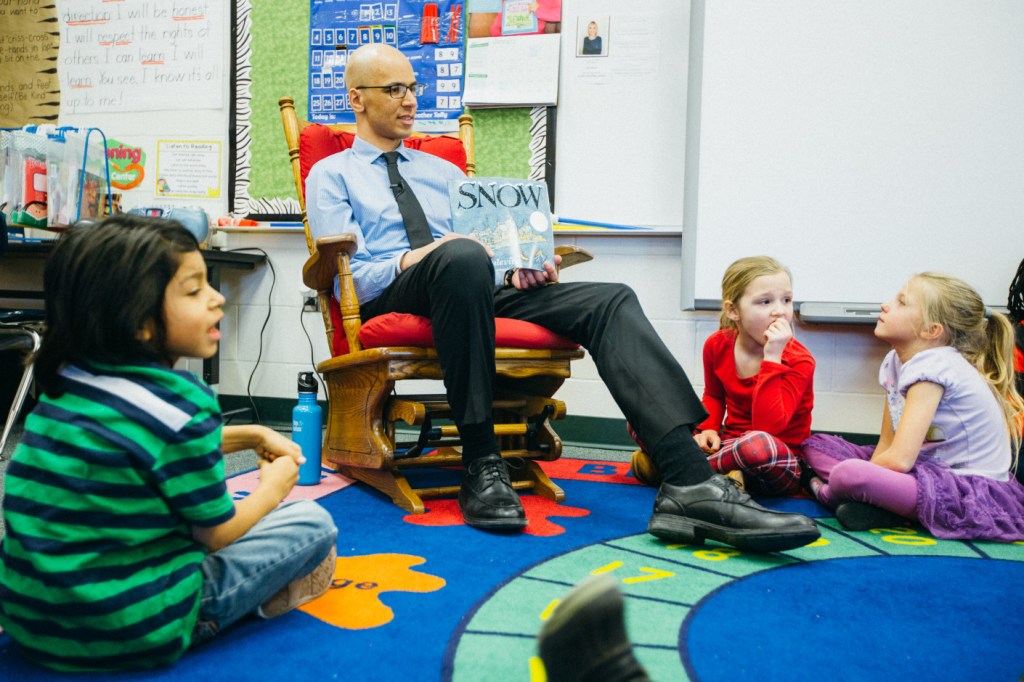
Alternative education is a growing movement that seeks to provide unique and innovative learning experiences for students outside of traditional schooling systems. These alternative schools and educators are committed to fostering creativity, critical thinking, and holistic development in their students. In this article, we will highlight 15 remarkable educators who have made significant contributions to the field of alternative education.
1. Maria Montessori:
Maria Montessori pioneered the Montessori method of education, which emphasizes self-directed learning and hands-on activities. Her approach values individuality, independence, and respect for each child’s unique developmental journey.
2. Rudolf Steiner:
Rudolf Steiner founded the Waldorf education system that focuses on nurturing imagination, artistic expression, and moral character development alongside academic excellence. Waldorf educators strive to create a balanced environment that addresses the intellectual, emotional, physical, and spiritual aspects of a child’s growth.
3. John Dewey:
John Dewey was an influential American philosopher who advocated for experiential learning and progressive education principles. He believed that learning should be rooted in real-life experiences to foster active engagement with knowledge.
4. A.S Neill:
A.S Neill founded Summerhill School based on his belief in personal freedom within a structured educational framework. His student-centered approach allows children the autonomy to choose their own curriculum while respecting community rules.
5. Paulo Freire:
Paulo Freire revolutionized educational practices through his concept of “critical pedagogy.” He championed dialogue-based teaching methods that empower students by encouraging them to critically analyze societal issues and take action towards social change.
6. Elizabeth Jones:
Elizabeth Jones is known for her work in early childhood education at the Pacific Oaks College in Pasadena, California. She advocates for play-based learning as a means of fostering creativity and problem-solving skills in young children.
7. Ivan Illich:
Ivan Illich challenged conventional schooling structures through his book “Deschooling Society.” He argued that formal education often hinders true learning and proposed alternative ways of acquiring knowledge outside traditional educational institutions.
8. John Holt:
John Holt was an educator and author who advocated for homeschooling and unschooling. He believed in the natural curiosity of children, arguing that they learn best when given the freedom to explore their own interests.
9. Gever Tulley:
Gever Tulley is the founder of Tinkering School, where children engage in hands-on projects to develop problem-solving skills and foster creativity. His approach encourages trial-and-error learning while prioritizing safety and community collaboration.
10. Sugata Mitra:
Sugata Mitra’s “Hole-in-the-Wall” experiment demonstrated how children can teach themselves complex subjects using computers and online resources without any formal instruction. This discovery led him to advocate for self-directed learning through his concept of “Minimally Invasive Education.”
11. Socrates:
Although not a modern-day educator, Socrates’ teaching methods have had a lasting impact on alternative education practices. Through dialogue-based questioning, Socrates encouraged critical thinking, reasoning, and self-discovery among his students.
12. Jonathan Kozol:
Jonathan Kozol is an American writer and educator known for his work on educational inequality in America’s public schools. His books shed light on the disparity between well-funded schools in affluent areas compared to underfunded schools in impoverished neighborhoods.
13: Allison Gaines Pell:
Allison Gaines Pell is a teacher at The Green School Bali, an environmentally focused school aiming to inspire global citizens who are passionate about sustainability practices. Her innovative teaching methods encourage students to connect with nature while developing academic skills.
14: Ron Berger:
Ron Berger is an advocate for project-based learning through his work as Chief Academic Officer at Expeditionary Learning Schools Outward Bound (now called EL Education). He emphasizes authentic assessments by having students present their work publicly or contribute it to the community.
15: Deborah Meier:
Deborah Meier is a prominent figure in the alternative education movement, known for her work in democratic schools. She believes in empowering students to participate actively in decision-making processes and fostering a sense of social justice and democracy within educational settings.
These educators have all played significant roles in shaping alternative education philosophies and practices. They have challenged traditional notions of schooling, championed student-centered learning approaches, and promoted holistic development among learners. By highlighting their contributions, we hope to inspire more educators to explore innovative methods that prioritize the needs and interests of their students while preparing them for a rapidly changing world.
 Alternative Amie
Leave a comment