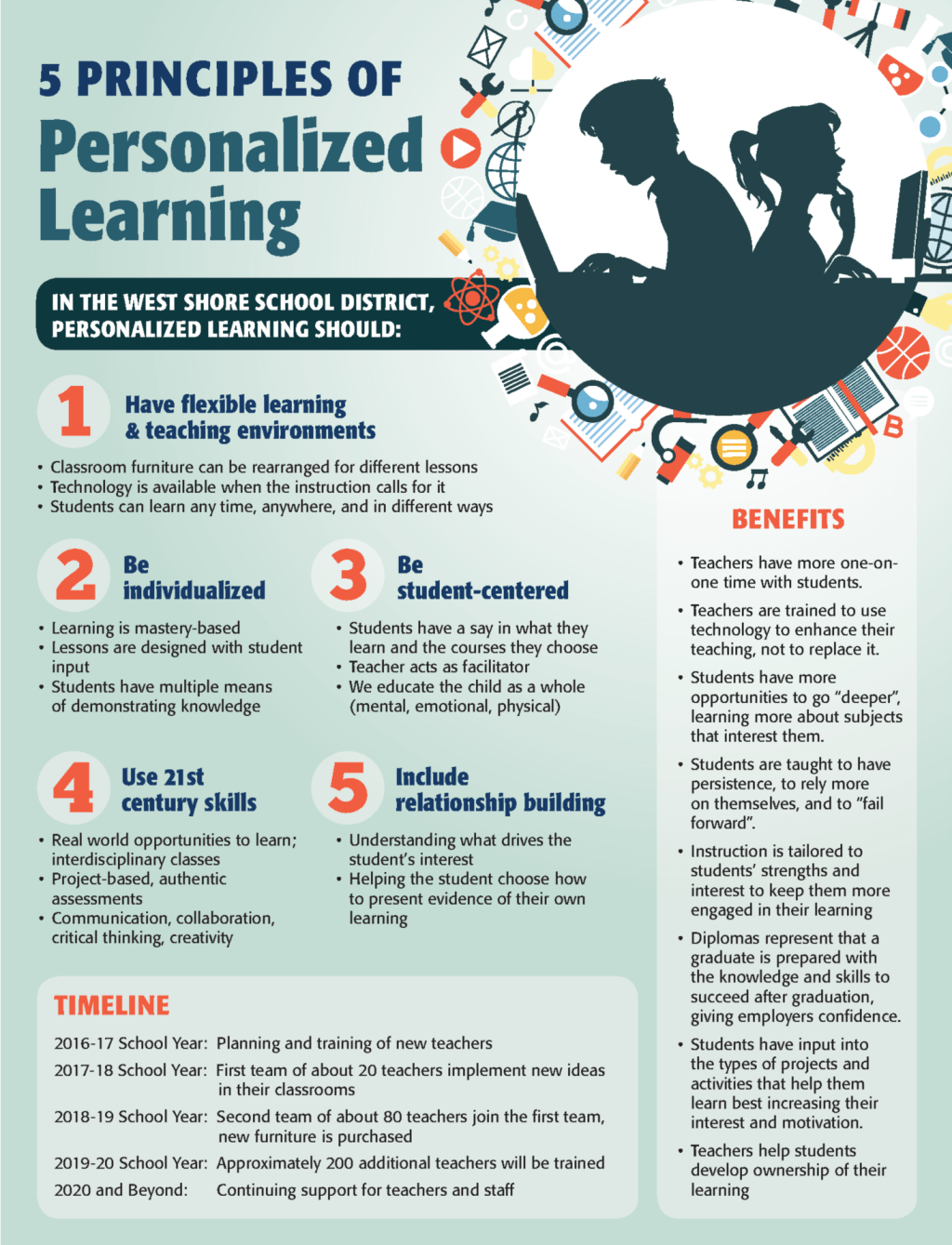
Unschooling is an alternative approach to education that prioritizes child-led learning and self-directed exploration. Rather than following a traditional curriculum, unschoolers have the freedom to pursue their interests and passions at their own pace. While this educational philosophy may seem unconventional to some, there are numerous benefits associated with unschooling that can have a positive impact on a child’s development and learning experience.
1. Tailored Learning: Unschooling allows children to learn in a way that best suits their individual needs and learning styles. By focusing on their interests, children can delve deep into subjects they are passionate about, leading to more meaningful and effective learning experiences.
2. Flexibility: Unschooling offers flexibility in terms of schedule and location. Children can learn anytime, anywhere, allowing for travel opportunities or the pursuit of extracurricular activities without the rigid constraints of traditional schooling.
3. Personalized Pace: In traditional schools, students often need to keep up with the pace set by the curriculum regardless of their understanding or readiness. Unschooling allows children to progress at their own pace, ensuring mastery before moving on to new concepts.
4. Stimulates Curiosity: Unschooling nurtures a child’s natural curiosity by encouraging them to ask questions, explore ideas independently, and seek answers through research or hands-on experiences. This fosters lifelong learners who are motivated by genuine interest rather than external rewards or pressures.
5. Individualized Attention: With unschooling, parents can provide one-on-one guidance tailored specifically to their child’s unique strengths and weaknesses. This personalized attention helps identify areas where additional support may be needed while capitalizing on talents and abilities.
6. Real-World Application: Unschoolers often engage in real-world experiences as part of their education journey – visiting museums, participating in community projects or internships – which enable them to apply knowledge gained from books directly into practical situations.
7. Emotional Well-being: Unschooling provides a nurturing and supportive environment, allowing children to develop confidence and self-esteem. They are free from the stressors commonly associated with traditional schooling such as peer pressure, bullying, or academic competition.
8. Autonomy and Responsibility: Unschoolers have the opportunity to make decisions for themselves, which contributes to the development of autonomy and independence. They learn to take responsibility for their choices and actions, fostering essential life skills.
9. Strong Family Bonds: Unschooling often involves close-knit family relationships due to increased time spent together during learning activities. This can lead to stronger bonds between siblings and parents, facilitating open communication channels within the family unit.
10. Passion-driven Learning: By following their passions rather than predetermined subjects dictated by a curriculum, unschoolers are more likely to develop a lifelong love for learning. They become active participants in shaping their own education journey based on what truly excites them.
11. Critical Thinking Skills: Unschooled children have ample opportunities to think critically and solve problems creatively through real-life experiences and self-directed learning projects. This helps them develop strong analytical skills that will benefit them throughout their lives.
12. Respect for Diverse Interests: In an unschooling environment, there is no hierarchy of subjects; all interests are considered equally important. This fosters respect for diverse fields of study while encouraging interdisciplinary thinking.
13. Natural Socialization Opportunities: Contrary to popular belief, unschooled children do not miss out on socialization but experience it in more natural settings like community programs or interest-based groups where they interact with individuals of various ages instead of being confined within age-segregated classrooms.
14. Lifelong Love for Learning: Unschooling nurtures a genuine passion for knowledge that extends beyond formal education years into adulthood – fostering curiosity-driven learners who continue seeking new information long after they leave school environments behind.
15. Success Beyond Traditional Measures: Many successful individuals, such as entrepreneurs and innovators, credit unschooling for allowing them the freedom to explore their interests fully and develop skills not typically emphasized in traditional education. Unschooling provides a solid foundation for personal growth and success beyond the confines of standardized testing or conventional achievements.
In conclusion, unschooling offers a unique approach to education that prioritizes individuality, curiosity, and self-direction. By embracing this alternative philosophy, children can experience tailored learning experiences that promote lifelong love for knowledge acquisition while developing essential life skills necessary for success in an ever-evolving world.
 Alternative Amie
Leave a comment