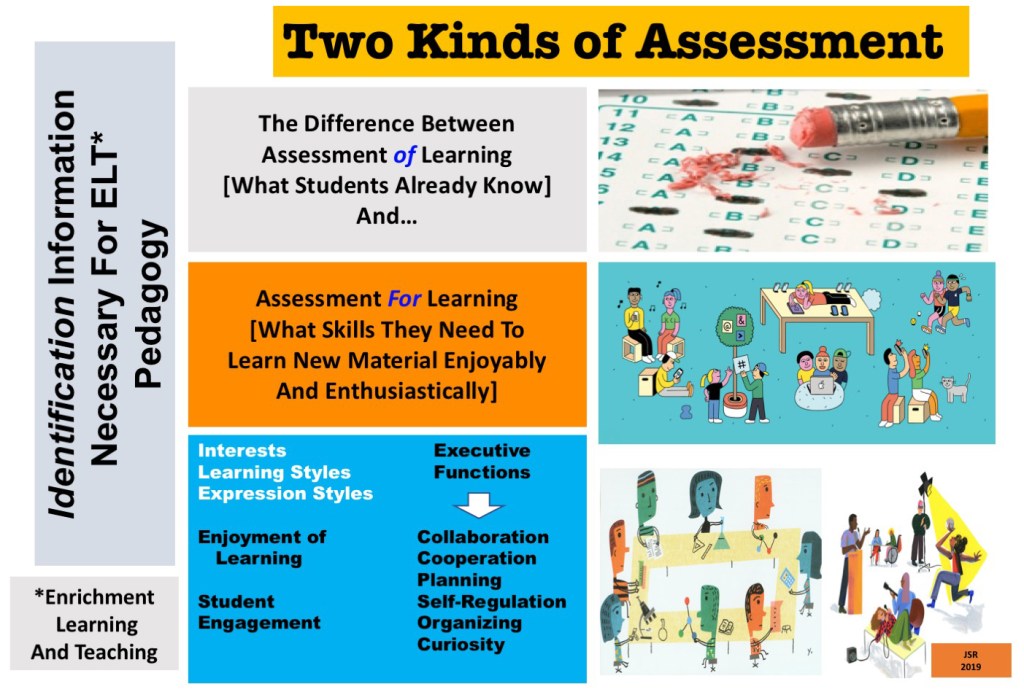
In the realm of alternative schooling and education, personalized assessments have emerged as a powerful tool to enhance learning experiences for students. Gone are the days when standardized tests were considered the sole measure of academic progress. Personalized assessments recognize that each student is unique, with different strengths, weaknesses, and learning styles.
One of the key benefits of personalized assessments is that they provide a more accurate reflection of a student’s abilities and knowledge. Instead of relying on one-size-fits-all exams, these assessments take into account individual needs and preferences. By tailoring questions and tasks to suit each student’s specific areas of interest or ability level, personalized assessments can truly gauge their understanding and growth.
Furthermore, personalized assessments foster deeper engagement in the learning process. Students feel empowered when they are given opportunities to demonstrate their knowledge in ways that resonate with them personally. This can include project-based assignments, portfolios showcasing their work over time, or even self-reflection exercises where students evaluate their own progress. Such approaches encourage active participation and help develop critical thinking skills.
Personalized assessments also promote a growth mindset among students. Rather than focusing solely on grades or rankings, these evaluations prioritize feedback and improvement. Through ongoing dialogue between teachers and students about strengths and areas for development, learners gain valuable insights into their learning journey. This approach encourages resilience, adaptability, and a willingness to embrace challenges as opportunities for growth.
Moreover, personalized assessments align better with real-world scenarios by emphasizing practical application rather than rote memorization. By designing tasks that require problem-solving skills or creative thinking instead of regurgitating facts from textbooks, these assessments prepare students for life beyond school walls.
However beneficial personalized assessments may be for educational settings today; they do come with some challenges too. Teachers need adequate training to design effective assessment tools while managing diverse classrooms effectively can be demanding at times.
In conclusion; incorporating personalized assessments into alternative schooling practices allows educators to move away from traditional methods towards a more student-centered approach. By tailoring assessments to individual needs, fostering engagement and a growth mindset, these evaluations create a holistic learning experience that prepares students for success in the ever-evolving world.
 Alternative Amie
Leave a comment