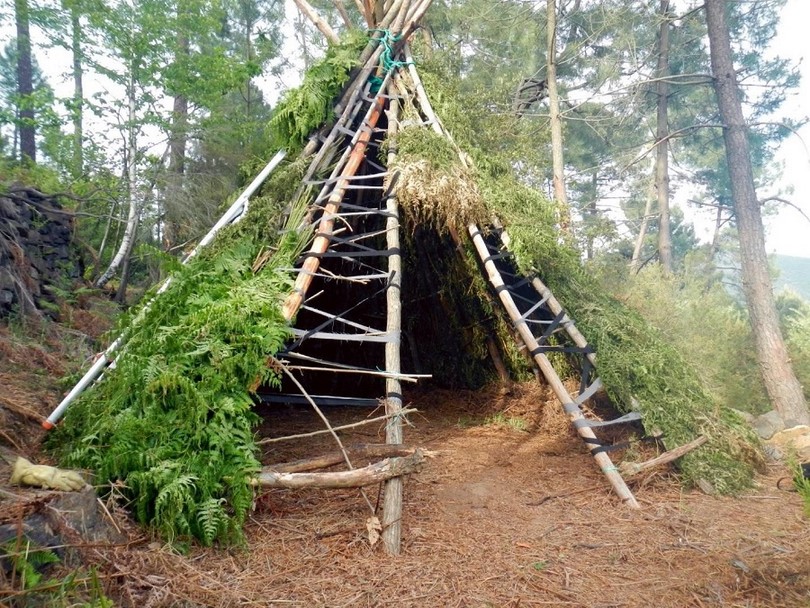
Shelter Building and Survival Skills: A Guide for Alternative Schooling and Education
In today’s rapidly changing world, it is becoming increasingly important to learn essential survival skills. Whether you are interested in alternative schooling or simply want to be prepared for unexpected situations, understanding how to build a shelter can be a lifesaving skill. In this article, we will provide an overview of shelter building techniques and highlight the importance of incorporating these skills into alternative education.
Why Learn Shelter Building?
Building a shelter is one of the fundamental survival skills that humans have relied on for centuries. In emergency situations such as natural disasters or getting lost in the wilderness, having the knowledge to construct a safe haven can mean the difference between life and death.
By integrating shelter building into alternative schooling, students gain practical knowledge that goes beyond traditional academic subjects. It fosters resilience, problem-solving abilities, teamwork, creativity, and adaptability – all valuable traits that can be applied in various aspects of life.
Types of Shelters
There are numerous types of shelters that can be built depending on the available resources and environmental conditions:
1. Debris Hut: This type of shelter utilizes materials readily found in nature like leaves, branches, and other debris. It typically consists of a low entrance tunnel leading into an enclosed space covered with more debris for insulation.
2. Lean-to Shelter: The lean-to is one of the simplest shelters to construct using only two main components: a sturdy pole (tree branch) leaned against another supporting structure (such as trees). It provides protection from wind and rain when properly angled.
3. Tarp Shelter: Using a tarpaulin or large piece of waterproof fabric along with ropes or cords allows for quick assembly without relying heavily on natural materials like wood or leaves. Tarps are lightweight additions to any survival kit due to their versatility.
4. Snow Cave/Igloo: In colder climates where snow is abundant, constructing snow caves or igloos can provide excellent insulation. These structures utilize the insulating properties of snow to create a warm and protected space.
Building Techniques
Regardless of the type of shelter, certain building techniques are essential for success:
1. Location: Choose a suitable location that offers protection from environmental elements such as wind, rain, or flooding. Consider factors like terrain slope and proximity to water sources.
2. Foundation: Ensure a stable foundation by leveling the ground or creating an elevated platform using logs or rocks to avoid moisture seepage.
3. Framework: Establish a solid framework using sturdy branches or poles. This will serve as the structure’s backbone onto which other materials will be attached.
4. Insulation: Add insulating layers like leaves, grass, moss, or even additional branches to maintain warmth in colder climates and coolness in hotter regions.
5. Waterproofing: Incorporate waterproof coverings such as tarps, plastic sheets, or large leaves to protect against rain or snowfall.
6. Ventilation: Proper ventilation prevents condensation buildup inside the shelter and ensures fresh air circulation during extended stays.
7. Fire Safety: When building shelters with fire pits nearby for warmth and cooking purposes, ensure there is enough distance between them to prevent accidental fires spreading beyond control.
Integrating Shelter Building into Alternative Education
Alternative schooling emphasizes hands-on learning experiences that encourage self-reliance and critical thinking skills – making it an ideal platform for teaching survival skills like shelter building. Here are some ways educators can incorporate these lessons:
1. Outdoor Expeditions: Plan field trips where students have opportunities to explore nature and engage in practical activities such as constructing shelters under supervision.
2. Nature Workshops/Camps: Organize workshops specifically dedicated to teaching wilderness survival skills including different types of shelters for various environments.
3. Service Learning Projects: Encourage students to apply their knowledge by participating in community service projects focused on disaster relief efforts or providing shelter for the homeless.
4. Cross-curricular Integration: Incorporate shelter building lessons into multiple subjects like science (study of natural materials and insulation), mathematics (measurement and angles), and social studies (history of shelters across different cultures).
Conclusion
Learning shelter building and survival skills is not only essential for emergency situations but also develops crucial life skills that foster resilience, adaptability, and problem-solving abilities. By integrating these practical teachings into alternative education, students gain a deeper understanding of their environment while fostering creativity, teamwork, and self-reliance. So let’s embrace the importance of shelter building in alternative schooling as we prepare the next generation to face an ever-changing world with confidence.
 Alternative Amie
Leave a comment