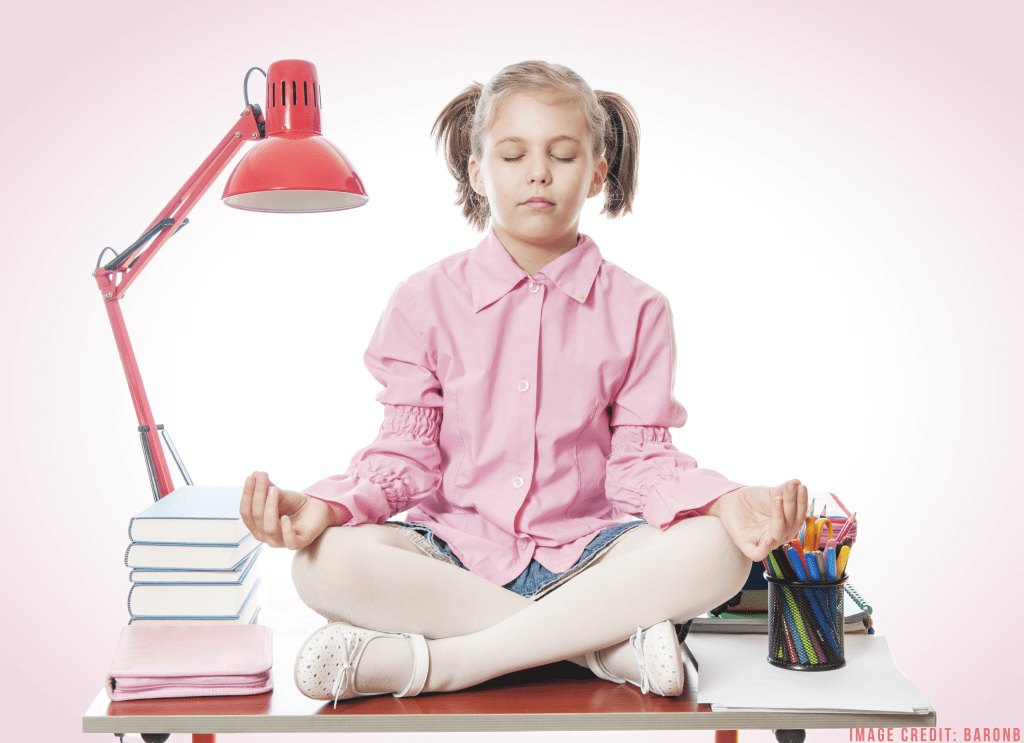
Mindfulness in the Classroom: Fostering Emotional Well-being and Academic Success
In recent years, there has been a growing recognition of the importance of emotional well-being in education. As educators strive to create a positive and nurturing learning environment, they are increasingly turning to mindfulness practices as a means to achieve this goal. Mindfulness, derived from ancient Buddhist traditions, is the practice of being fully present and aware of one’s thoughts, feelings, and sensations in the present moment without judgment.
The concept of incorporating mindfulness into classrooms may seem unconventional at first glance. However, research has shown that mindfulness can have numerous benefits for students’ mental health, social-emotional development, and academic performance. By integrating mindfulness exercises into their daily routines, teachers can equip students with valuable skills that will serve them not only during their school years but also throughout their entire lives.
One key benefit of practicing mindfulness in the classroom is its positive impact on students’ emotional well-being. Adolescence is often marked by heightened stress levels due to academic pressures, social challenges, and personal issues. Mindfulness provides young people with tools to manage these stresses effectively. When students learn how to acknowledge their emotions without judgment or reactivity through simple breathing exercises or guided meditation sessions during class time or designated breaks throughout the day – they build resilience and develop healthier coping mechanisms.
Moreover, cultivating self-awareness through mindfulness allows students to better understand their own emotions and reactions. This newfound awareness helps them regulate their emotions more effectively while reducing impulsive behavior such as outbursts or acting out in frustration or anger. By creating an atmosphere where emotions are acknowledged rather than suppressed or ignored, teachers foster empathy amongst peers and encourage open communication about feelings.
Furthermore, practicing mindfulness promotes improved focus and concentration among students – essential qualities for academic success. In today’s world filled with distractions from various digital devices constantly vying for attention; developing concentration skills has become even more critical for young learners. Mindfulness exercises teach students to anchor their attention in the present moment, helping them stay focused on the task at hand and resist the temptation of external distractions.
Research has demonstrated that regular mindfulness practice enhances working memory capacity. Working memory is the cognitive ability responsible for temporarily storing and manipulating information while performing complex tasks such as problem-solving or comprehension. By improving working memory, students can better engage with classroom material, retain information more effectively, and apply critical thinking skills to their learning.
Moreover, incorporating mindfulness into education fosters a positive classroom climate by promoting empathy, kindness, and respect among students. As they become attuned to their own emotions through mindfulness practices, students naturally develop a greater sensitivity towards others’ feelings and experiences. This heightened awareness leads to increased empathy and compassion towards peers. When children are taught how to respond non-judgmentally in difficult situations or conflicts with understanding rather than aggression – it creates an atmosphere of trust within the classroom community.
In addition to individual benefits for students’ emotional well-being and academic performance, introducing mindfulness into classrooms can have a ripple effect on school culture as a whole. When teachers model mindfulness themselves by practicing it regularly alongside their students – it helps create a shared language and experience within the school community. Teachers who embody mindful values are better equipped to handle stressful situations calmly which sets an example for how students can manage similar challenges constructively.
Furthermore, integrating mindfulness into interdisciplinary subjects allows educators to explore various dimensions of this practice creatively. For instance, literature classes may incorporate readings about mindfulness from different cultures or examine texts that highlight characters cultivating self-awareness through meditation or contemplation techniques. Similarly, science classes could investigate the physiological effects of stress on the body and analyze research studies exploring how mindfulness mitigates these effects.
Implementing mindfulness in schools requires careful planning and support from administrators along with teacher training programs dedicated to integrating this practice into curriculum design effectively. Educators must understand not only what mindfulness is but also how it can be adapted to suit the needs of diverse student populations. It is crucial to approach mindfulness as a long-term commitment rather than a quick fix solution, with continuous reinforcement and practice.
It is important to note that mindfulness does not replace traditional teaching methods; instead, it complements and enhances existing educational approaches. Mindfulness in education should be seen as an additional tool in teachers’ toolkit – one that can help create a more holistic learning experience for students.
In conclusion, introducing mindfulness into classrooms provides students with essential skills for emotional well-being and academic success. By fostering self-awareness, empathy, focus, and resilience through regular mindfulness practices, educators lay the foundation for healthier coping mechanisms and positive social relationships among students. Moreover, integrating mindfulness into curriculum design encourages interdisciplinary exploration while creating a school culture grounded in principles of kindness and respect. As we strive for alternative schooling and education approaches that prioritize the whole child’s development – incorporating mindfulness into our classrooms emerges as an invaluable asset in nurturing young minds.
 Alternative Amie
Leave a comment