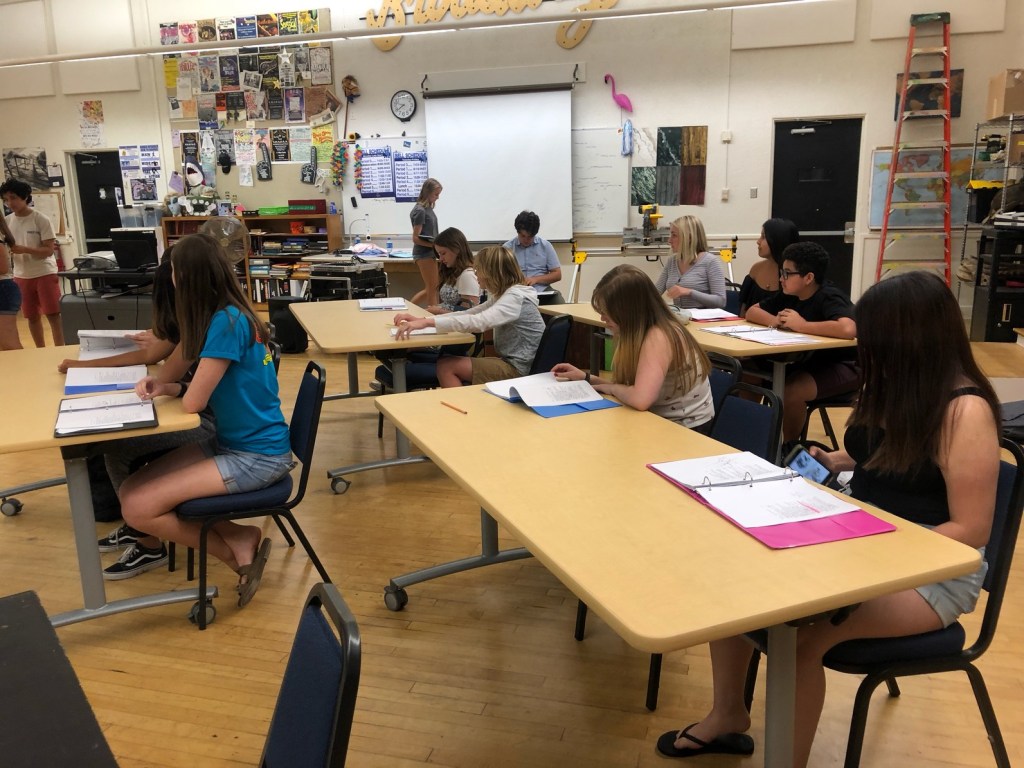
Honors Classes: Nurturing Excellence in Alternative Education
In the realm of alternative schooling and education, honors classes have long been a cornerstone. These specialized courses offer students an opportunity to delve deeper into their academic interests, challenge themselves intellectually, and foster a love for learning. Honors classes provide a unique environment where high-achieving students can thrive, surrounded by like-minded peers who share their passion for knowledge.
The origins of honors classes can be traced back to ancient Greece, where the concept of an educational elite emerged. The philosopher Plato believed that only the brightest minds should receive advanced instruction in subjects such as mathematics, science, and philosophy. This notion laid the foundation for what would become modern-day honors programs.
Fast forward to the late 19th century when American educator Charles W. Eliot introduced elective courses at Harvard University. This groundbreaking approach allowed students to choose more challenging coursework if they desired additional intellectual stimulation beyond standard offerings. Other universities followed suit in adopting similar models, ushering in a new era of academic enrichment.
Honors classes blossomed further during the mid-20th century with the rise of gifted education initiatives across America. Recognizing that exceptional learners needed tailored instruction to reach their full potential, schools began implementing programs specifically designed for these bright individuals. These early efforts paved the way for honors classes as we know them today – advanced curricula that cater to highly capable students within mainstream educational systems.
One distinguishing feature of honors classes is their rigorous content and accelerated pace compared to regular coursework. Students are exposed to more complex subject matter and are expected to engage critically with material through analysis and synthesis rather than mere memorization or regurgitation.
Another crucial aspect is the emphasis on critical thinking skills and independent inquiry within these classrooms. Honors teachers guide students towards developing strong research abilities while nurturing creativity and problem-solving expertise through collaborative projects or individual assignments.
Moreover, honor class environments foster healthy competition among classmates while simultaneously promoting cooperation and teamwork. Collaborative activities, such as group discussions or projects, encourage students to share their unique perspectives, learn from one another, and develop interpersonal skills necessary for success beyond the classroom.
Participation in honors classes offers numerous benefits to students. Firstly, it provides a platform for academic growth by challenging individuals academically and pushing them out of their comfort zones. This exposure to more demanding coursework equips students with advanced knowledge and skills that can significantly enhance their college readiness.
Additionally, being part of an honors program often opens doors to a variety of opportunities. Students may gain access to specialized resources like research facilities or libraries not available to the general student body. They may also have opportunities for mentorship or connections with professionals in their chosen field through partnerships established between educational institutions and local industries.
Furthermore, honors classes create a supportive community where high-achieving students can connect with peers who share similar interests and aspirations. The camaraderie cultivated within these programs fosters friendships that extend beyond the classroom walls while providing avenues for intellectual discourse and personal growth.
It’s important to note that honors classes are not without criticism. Some argue that they perpetuate elitism by further segregating high-performing students from their peers. Critics claim this separation can lead to feelings of superiority among honor students while leaving others feeling marginalized or overlooked within the education system.
To address these concerns, many schools are adopting inclusive approaches by offering options such as dual enrollment courses or advanced placement (AP) programs accessible to all interested students rather than limiting participation solely based on prior achievement levels.
In conclusion, honors classes play a vital role in alternative schooling models by nurturing excellence among high-achieving students within mainstream educational systems. These courses provide intellectually stimulating environments where bright minds can flourish alongside similarly motivated peers. By challenging traditional notions of education and embracing diverse learning styles, honors classes continue to evolve into innovative platforms that foster lifelong learning among future generations of students.
 Alternative Amie
Leave a comment