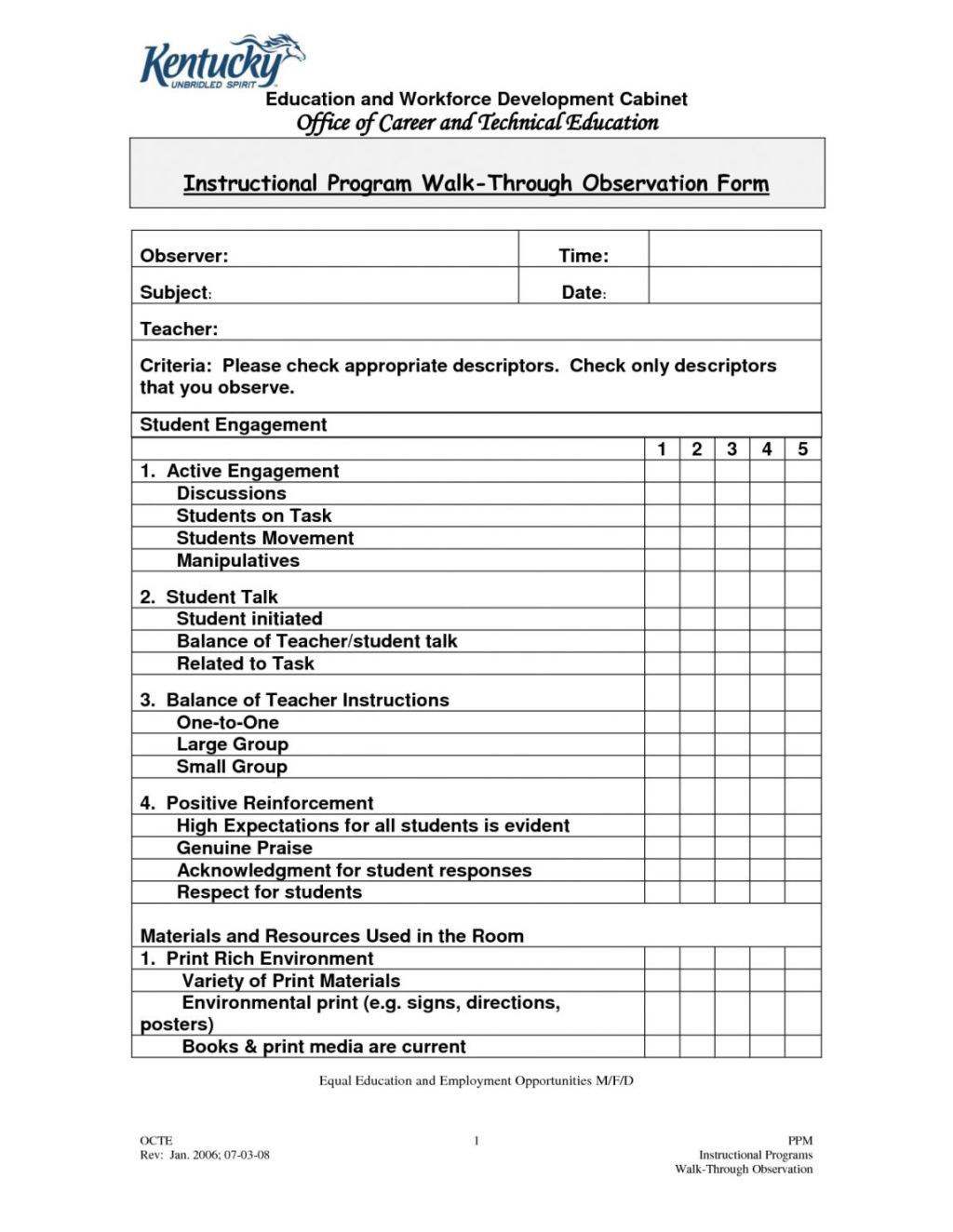
Formative assessment is a crucial tool in the field of education that allows teachers to gather meaningful feedback on their students’ learning progress. Unlike summative assessments, which are typically conducted at the end of a unit or course to evaluate student achievement, formative assessments are ongoing and designed to provide real-time information that can inform instruction.
The purpose of formative assessment is not only to measure what students have learned but also to identify areas where they may be struggling and need additional support. It helps teachers make informed decisions about adjusting their teaching strategies, pacing, and content delivery based on student needs. Formative assessment techniques can vary widely, from informal methods like observation and questioning during class discussions to more structured tools such as quizzes, exit tickets, or self-assessments.
One key benefit of formative assessment is its ability to engage students actively in their own learning process. By providing regular feedback on their performance, students can take ownership of their learning journey and understand where they need improvement. This approach promotes a growth mindset and fosters intrinsic motivation among learners.
In addition to benefiting individual students, formative assessment also enables teachers to monitor overall classroom progress. It helps them identify patterns or gaps in understanding within the entire group so that targeted interventions can be implemented if necessary.
Ultimately, formative assessment plays a vital role in supporting effective teaching practices by allowing educators to adapt their instructional methods based on ongoing feedback from students. By using this approach consistently throughout the learning process, educators can create an environment that encourages continuous improvement for both themselves and their students.
 Alternative Amie
Leave a comment