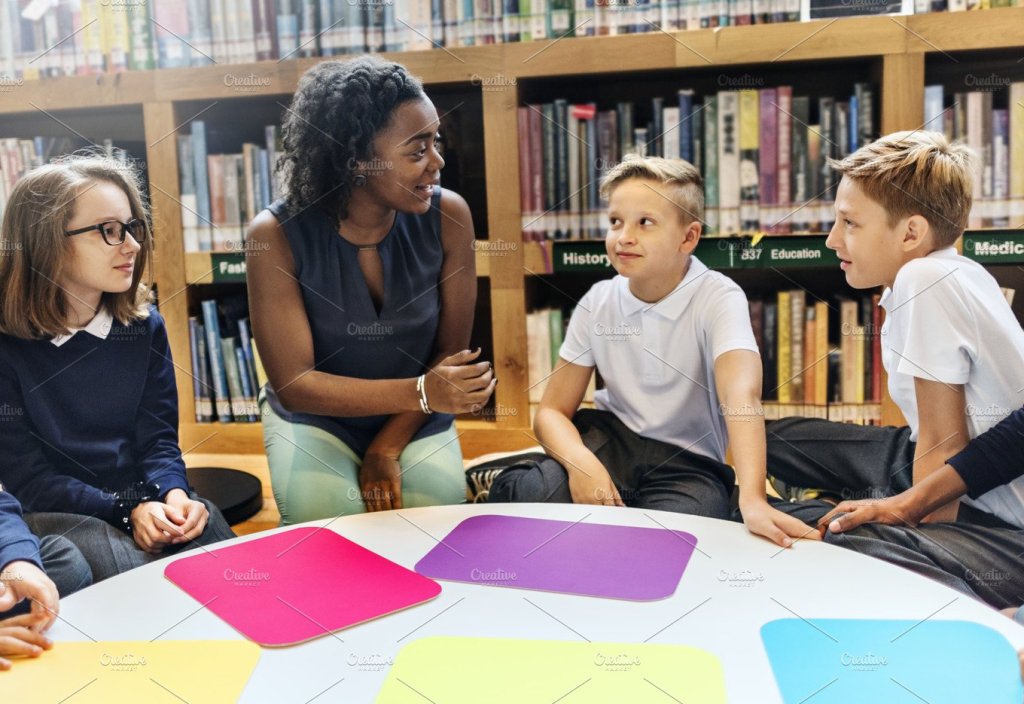
Multicultural Education: Embracing Diversity in the Classroom
In today’s globalized world, multicultural education has become increasingly important. It aims to foster an inclusive learning environment that celebrates diversity and promotes a sense of equality among students from different cultural backgrounds. By incorporating various perspectives into the curriculum and teaching methods, multicultural education equips students with the knowledge and skills necessary for success in our diverse society.
One of the key goals of multicultural education is to challenge stereotypes and promote intercultural understanding. Traditional educational approaches often focus on a single dominant culture, inadvertently marginalizing those who do not fit within its norms. Multicultural education seeks to rectify this by moving beyond Eurocentric perspectives and embracing a broader range of cultural experiences.
By integrating diverse cultures into the curriculum, educators can create opportunities for students to explore their own heritage as well as learn about others’. This approach allows students to develop a deep appreciation for their own cultural roots while fostering curiosity and respect for other traditions. Through exposure to different languages, histories, art forms, and belief systems, students gain valuable insights into the richness of human experience.
Multicultural education also emphasizes equity in terms of access to resources and opportunities. It recognizes that some groups have historically been disadvantaged or marginalized due to systemic biases. Therefore, it strives to address these disparities by providing equal educational experiences for all students regardless of their background or circumstances.
Furthermore, multicultural education encourages critical thinking skills by encouraging students to question prevailing narratives and examine issues from multiple perspectives. This helps them develop empathy towards others’ experiences while nurturing their ability to think critically about social justice issues.
Implementing multicultural education requires more than just adding token elements from different cultures; it necessitates a comprehensive framework that permeates all aspects of schooling. Teachers must receive training on culturally responsive pedagogy so they can effectively engage with diverse student populations. School curricula should be reviewed regularly to ensure representation across cultures and identities.
Parents also play a crucial role in supporting multicultural education. They can advocate for the inclusion of diverse perspectives and offer their own cultural insights to enrich classroom discussions. By actively engaging with schools, parents can help create an environment that values and respects all students’ cultural backgrounds.
In conclusion, multicultural education is essential for preparing students to thrive in a globalized society. It promotes inclusivity, challenges stereotypes, and fosters intercultural understanding. By embracing diversity in the classroom through curriculum design and teaching practices, educators can empower students to become compassionate, critical thinkers who appreciate and respect differences among individuals and cultures.
 Alternative Amie
Leave a comment