Bilingual Education: Unlocking Opportunities and Embracing Diversity
Introduction:
In an increasingly interconnected world, the ability to communicate in multiple languages has become a valuable skill. Bilingual education refers to a teaching approach that provides instruction in two languages, typically the student’s native language and a second language. This method not only promotes academic achievement but also fosters cultural understanding and appreciation, preparing students for success in today’s global society. In this article, we will delve into the benefits of bilingual education and why it is essential for alternative schooling and education systems.
Enhanced Cognitive Development:
Research suggests that bilingualism has numerous cognitive advantages. Bilingual students tend to exhibit better problem-solving skills, enhanced creativity, improved focus, and greater mental flexibility compared to their monolingual peers. The process of learning two languages simultaneously exercises the brain by strengthening neural connections related to language acquisition and cognitive processing. These cognitive benefits can positively impact various areas of academic performance.
Academic Achievement:
Bilingual education has been shown to improve academic outcomes across subjects such as mathematics, science, and literacy. Studies have consistently demonstrated that bilingual students outperform their monolingual counterparts on standardized tests measuring critical thinking skills, verbal reasoning abilities, reading comprehension levels, and overall academic achievement.
Furthermore, bilingualism supports metalinguistic awareness—the ability to think about language itself—which helps students grasp grammar rules more effectively in both their native language and second language classes. This heightened linguistic awareness enables them to transfer knowledge between languages more effortlessly than those who are monolingual.
Cultural Competence:
One of the most significant advantages of bilingual education lies in its promotion of cultural competence among students. By exposing children from diverse backgrounds to different cultures through shared classroom experiences using two languages as mediums of instruction, they develop empathy towards others’ traditions, customs, beliefs while appreciating diversity.
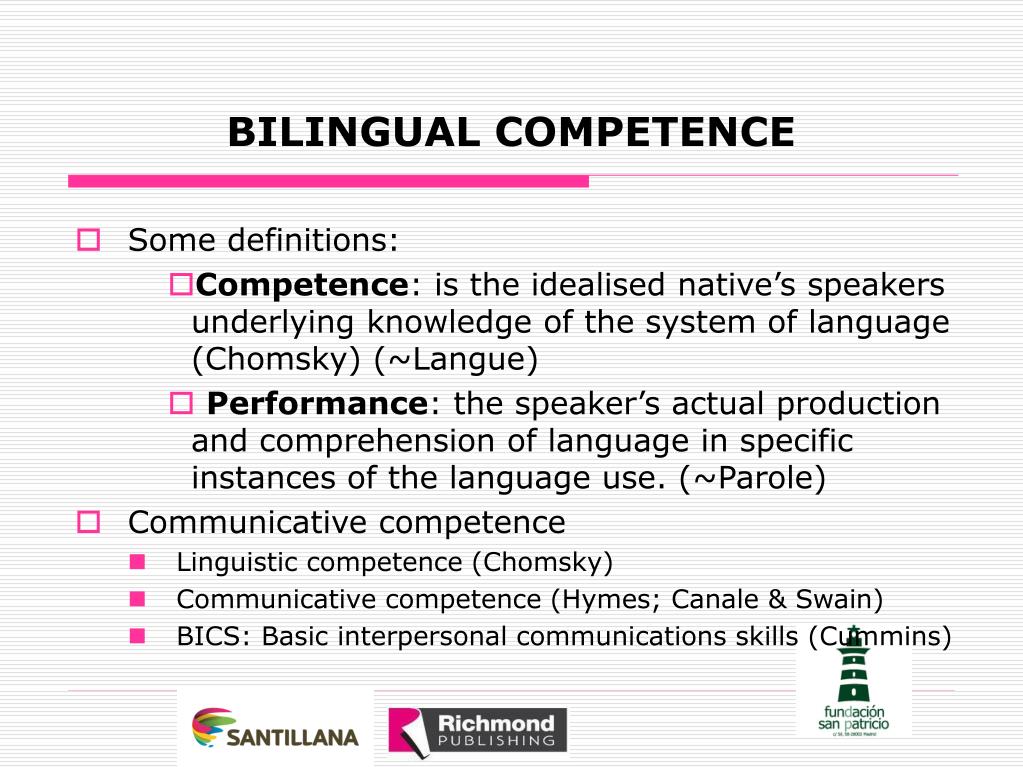
Language proficiency alone is insufficient without cultural understanding—a key component in fostering intercultural communication skills. Bilingual education allows students to navigate different cultural contexts, encouraging open-mindedness and respect for people from various backgrounds. This cross-cultural competence is invaluable in an increasingly globalized world where collaboration and cooperation among diverse groups are essential.
Socioeconomic Advantages:
Bilingualism offers numerous practical advantages beyond the academic sphere. In a competitive job market, individuals who are proficient in multiple languages have a distinct edge over monolingual candidates. Employers value bilingual employees for their ability to communicate effectively with clients, customers, or colleagues from different linguistic backgrounds.
Moreover, research has shown that bilingual individuals often earn higher salaries compared to those who speak only one language. Bilingualism opens doors to broader professional opportunities both nationally and internationally as businesses increasingly seek employees capable of bridging linguistic barriers.
Promoting Inclusivity:
Alternative schooling and education systems aim to provide inclusive learning environments that cater to students’ diverse needs and abilities. Bilingual education aligns perfectly with this goal by offering equal access to quality education regardless of students’ linguistic background or proficiency levels.
By implementing bilingual programs in alternative schools, educators acknowledge the importance of preserving native languages while simultaneously fostering fluency in a second language. This approach empowers students by validating their cultural heritage while equipping them with skills necessary for seamless integration into multicultural societies.
Challenges and Considerations:
While there are undeniable benefits associated with bilingual education, it is crucial to address potential challenges faced by educators when implementing such programs. Adequate teacher training, availability of appropriate teaching materials, and support from school administrations are vital components for successful implementation.
Furthermore, careful consideration must be given to selecting the most effective instructional models based on individual student needs—such as dual-language immersion programs or transitional bilingual programs—to ensure optimal learning outcomes.
Conclusion:
Bilingual education offers a multitude of advantages that extend far beyond language acquisition alone. By promoting cognitive development, enhancing academic achievement across subjects, nurturing cultural competency, facilitating socioeconomic opportunities, and fostering inclusivity, bilingual education equips students with the skills necessary to thrive in an increasingly interconnected world.
Alternative schooling and education systems should embrace bilingual education as a cornerstone of their curriculum. By doing so, they not only meet the needs of diverse student populations but also prepare students to become global citizens capable of navigating linguistic and cultural landscapes with ease. Let us celebrate diversity through bilingualism and unlock endless opportunities for our future generations.
 Alternative Amie
Leave a comment