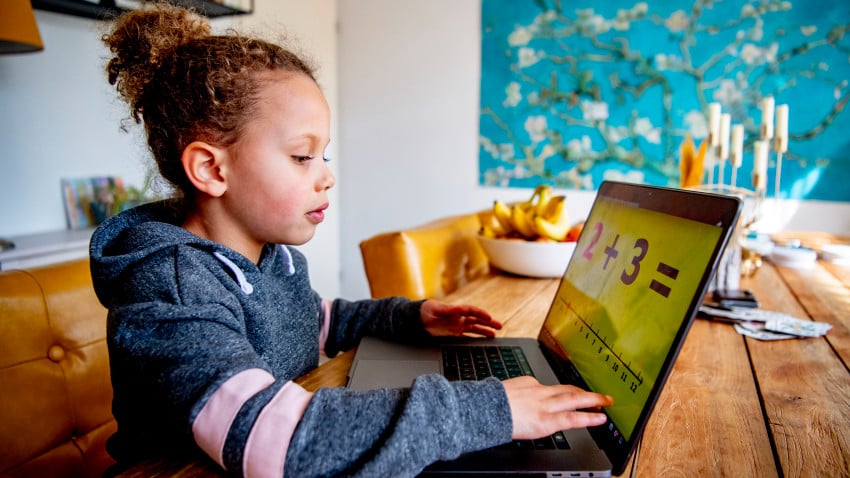
Remote teaching and learning has become increasingly popular in recent years, offering a flexible and accessible alternative to traditional classroom settings. With the advent of technology, educators are now able to reach students from all corners of the world, while students can enjoy a personalized learning experience tailored to their individual needs. Here are 15 benefits of remote teaching and learning:
1. Flexibility: Remote learning allows students to set their own schedules, giving them the freedom to study at their own pace. This is particularly beneficial for working professionals or those with other commitments.
2. Accessibility: Students who may not have access to quality education due to geographical constraints can now easily enroll in remote courses offered by reputable institutions worldwide.
3. Personalized Learning: Remote teaching enables educators to provide one-on-one attention to each student, identifying their strengths and weaknesses and tailoring the curriculum accordingly.
4. Increased Engagement: Online platforms offer interactive features such as discussion forums, virtual classrooms, and multimedia resources that enhance student engagement in the learning process.
5. Diverse Learning Resources: With remote teaching, students have access to an extensive range of online resources including e-books, videos, simulations, and educational apps that cater to various learning styles.
6. Cost-effective: Remote learning eliminates commuting costs as well as expenses related to textbooks and physical classroom materials.
7. Global Collaboration: Students can collaborate with peers from different cultural backgrounds through virtual group projects or discussions forums fostering cross-cultural understanding.
8. Self-discipline: Remote learning requires students’ self-motivation and discipline as they must manage their time effectively without constant supervision.
9. Individual Attention for Shy Students: Introverted or shy individuals often find it challenging to participate actively in face-to-face classes; however, remote teaching provides a comfortable environment where these students can freely express themselves without feeling intimidated.
10. Skill Development: Remote teaching encourages the development of essential skills such as self-directed learning, critical thinking abilities, digital literacy, and time management.
11. Reduced Distractions: Remote learning eliminates potential distractions that may exist in a traditional classroom setting, allowing students to focus better on their studies.
12. Immediate Feedback: Online assessments and quizzes can provide instant feedback, enabling students to identify areas for improvement promptly.
13. Accessibility for Students with Disabilities: Remote teaching allows individuals with physical disabilities or health conditions to access education conveniently without the need for physical accommodations.
14. Career Advancement: Professionals seeking career advancement can pursue remote courses alongside their jobs, enhancing their knowledge and skills without interrupting their work commitments.
15. Eco-friendly: Remote teaching reduces carbon emissions associated with commuting, making it an environmentally friendly option compared to traditional classroom-based education.
In conclusion, remote teaching and learning offer numerous advantages ranging from flexibility and accessibility to personalized instruction and skill development. As technology continues to evolve, this alternative form of education is likely to become even more prominent in the future.
 Alternative Amie
Leave a comment