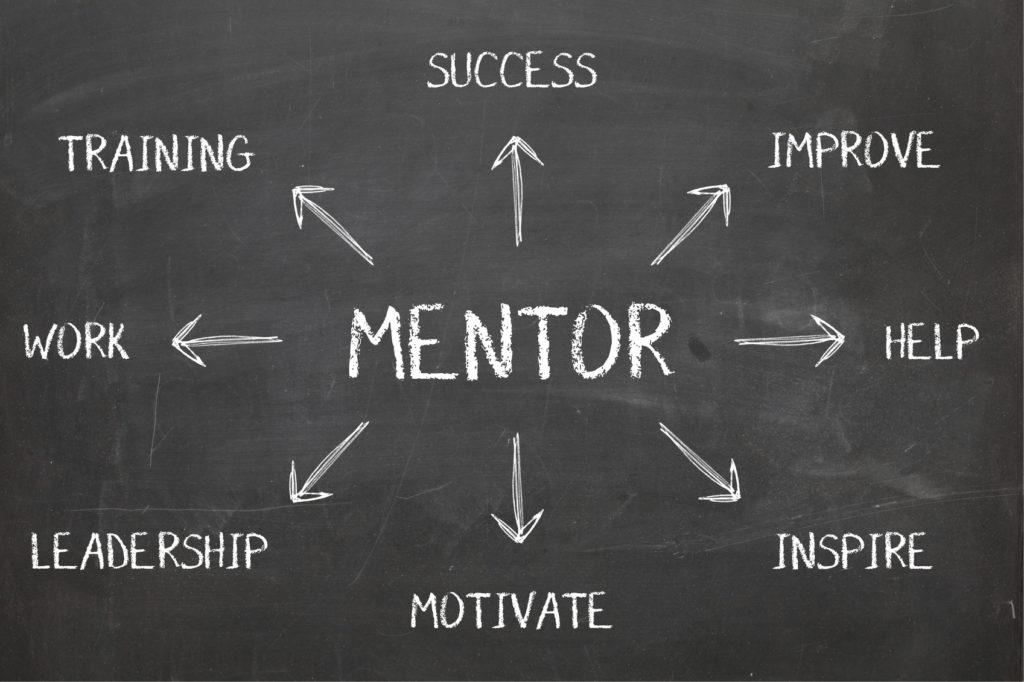
Mentorship plays a crucial role in alternative education, providing students with valuable guidance and support outside of traditional classroom settings. Finding the right mentor is essential in ensuring a successful mentorship experience. When searching for a mentor, it is important to consider their expertise, experience, and alignment with the student’s goals and interests.
The benefits of mentorship in alternative education are numerous. Mentors can offer personalized instruction, helping students develop specific skills or overcome challenges. They also provide emotional support and encouragement, boosting self-confidence and resilience. In addition, mentors serve as role models who inspire students to explore new ideas and possibilities.
There are various types of mentors in alternative schooling. Professional mentors are experts within specific fields who share their knowledge and experiences with students pursuing related careers or interests. Peer mentors are fellow students who have successfully navigated similar educational paths or faced similar challenges.
Creating a mentorship program for alternative schools involves careful planning and coordination between educators, parents, and community members. It is important to establish clear objectives, guidelines, and expectations for both mentors and mentees. Regular check-ins should be scheduled to monitor progress and address any concerns that may arise.
Mentorship is especially beneficial for students with learning differences as it provides individualized attention tailored to their unique needs. Mentors can help these students develop strategies for overcoming obstacles while fostering a sense of belonging within the alternative education community.
Peer mentoring programs are an effective way to promote collaboration among students in alternative education settings. Pairing experienced learners with newcomers allows for the transfer of knowledge while creating supportive relationships built on shared experiences.
Homeschooling families can also benefit from mentorship opportunities by connecting with experienced homeschoolers or professionals who can provide guidance on curriculum choices, teaching methods, or extracurricular activities.
In project-based learning environments where hands-on experiences play a central role in academic development, mentors play an integral part in guiding student projects by offering technical expertise, feedback, and guidance throughout the process.
Mentorship in alternative education can also help students explore career options. Mentors can provide insights into different professions and offer valuable advice on educational paths, internships, or networking opportunities.
For at-risk youth in alternative schools who may have experienced challenges in traditional settings, mentorship programs offer a crucial support system. Mentors can help these students develop essential life skills and navigate personal obstacles while fostering positive relationships.
In non-traditional schooling settings, mentorship contributes to social-emotional development by providing a safe space for students to discuss their feelings, set goals, and receive guidance on managing emotions and relationships effectively.
Building a strong mentor-mentee relationship requires trust and open communication. Mentorship programs should encourage regular meetings between mentors and mentees to foster mutual understanding and respect.
Mentorship is instrumental in promoting academic success in alternative schools. Mentors can provide individualized instruction tailored to specific learning styles or needs, helping students excel academically.
Strategies for mentoring self-directed learners involve empowering them to take ownership of their education while offering guidance when needed. Mentors can assist with setting goals, developing study plans, or finding resources that align with the student’s interests.
Entrepreneurial-minded students benefit greatly from mentorship opportunities as mentors can share business knowledge, provide feedback on ideas or prototypes, and guide them through the process of launching their ventures.
Experiential learning environments are enriched by mentors who facilitate real-world connections between classroom concepts and practical applications. Their expertise enhances the learning experience by bridging theory with practice.
Outside the classroom, there are numerous mentorship opportunities available for alternative education students. Community-based organizations often provide mentoring programs that allow students to connect with professionals in various fields who share their passions or interests.
Students transitioning from traditional schooling systems may require additional support when entering alternative education environments. Mentorship programs designed specifically for these individuals aid in easing the transition and ensuring a smooth adjustment.
Mentorship in non-conventional education cultivates leadership skills by encouraging students to take on mentorship roles themselves. This empowers them to guide others, develop their communication abilities, and gain confidence in their expertise.
The impact of mentorship on student motivation and engagement cannot be overstated. By fostering close relationships with mentors who genuinely care about their success, students feel supported and inspired to achieve their goals. Mentorship serves as a catalyst for personal growth and academic achievement in alternative education settings.
 Alternative Amie
Leave a comment